Canada is entering a delicate new chapter in its political life as Prime Minister Mark Carney has signalled that Ottawa is “working directly with Alberta” to forge a more unified economic development model.
The statement comes amid long-standing tensions between the federal government and Alberta over energy, climate policy, and control of natural resources.
Carney has stressed that the goal is not confrontation, but cooperation to “make Canada stronger as a whole.”
The remarks have quickly drawn attention from political circles and the energy sector across the country.
Alberta has long served as Canada’s oil and gas heartland, yet it has frequently clashed with federal climate policies.
Premier Danielle Smith has emerged as the leading voice for an “accelerate energy development” stance.
She has repeatedly called on Ottawa to cut regulatory red tape and fast-track major pipeline projects.
At the centre of current discussions is the possibility of building a new oil pipeline to the Pacific coast.
Such a project is seen as critical for Canada to expand its export markets into Asia.
However, it remains deeply controversial on environmental grounds and regarding Indigenous rights.
The Carney government is attempting to strike a balance between economic growth and its climate commitments.
According to government sources, any new pipeline would come with strict carbon-related conditions, including a higher price on carbon and stronger incentives for carbon-capture technology.

Some analysts describe this as Canada’s emerging “climate-energy compromise model.”
Yet the oil and gas industry worries that these climate conditions will significantly raise project costs.
Several companies have warned that Canada risks losing its competitive edge to the United States.
Meanwhile, environmental groups argue the project still relies too heavily on fossil fuels.
This divide reflects the complex economic-climate dilemma Carney must navigate.
In Ottawa, officials describe the talks with Alberta as “extremely constructive.”
Recent meetings have been characterised as “closer and more productive than ever before.”
Still, political observers caution that any consensus remains fragile.
Another sensitive factor is the position of British Columbia.
The province has repeatedly opposed pipelines transporting oil through its western coastline.
B.C. Premier David Eby has raised serious concerns about environmental risks and tanker traffic off the coast.
This adds another layer of political complexity for any joint Ottawa-Alberta plan.
Within the federal cabinet itself, the issue has created notable divisions.

Some ministers remain firmly committed to Canada’s 2050 net-zero target.
Others place greater emphasis on energy growth and export revenues.
These internal tensions have reportedly led to several senior officials stepping down.
Such developments highlight that the debate extends beyond federal-provincial relations into the heart of government.
Indigenous communities also play a pivotal role in the approval process.
Federal law requires meaningful consultation before any major project can proceed.
Several First Nations have stated they could oppose or legally challenge projects if their rights and title are not fully respected.
This requirement makes timelines longer and more uncertain than many in industry would prefer.
Nevertheless, the Carney government continues to frame the initiative as a chance to “rebuild Canada’s energy model for the future.”
Economists suggest a successful project could generate hundreds of thousands of jobs nationwide.
Yet the required investment would be massive — potentially tens of billions of dollars.
Many investors are still waiting for greater policy clarity and reduced legal risks.
As a result, the project’s future remains far from certain.
Politically, Carney is working to position himself as a pragmatic leader.
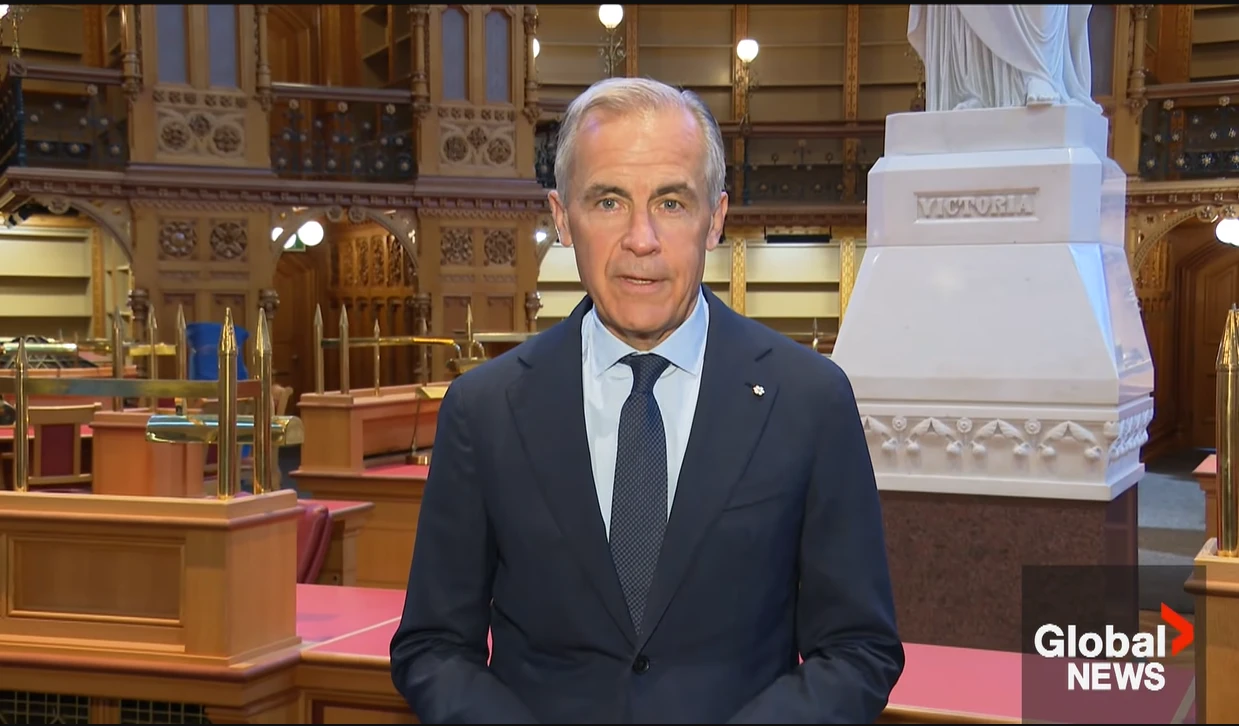
He is promoting a vision of a more self-reliant Canada in global trade and energy markets.
A key element involves reducing over-dependence on the American market.
This approach has been branded as part of a broader “Canada Strong” strategy to boost international competitiveness.
The greatest challenge, however, remains balancing economic development with climate responsibilities.
Alberta views this moment as a historic opportunity to expand its energy sector.
Other provinces, by contrast, worry about the long-term environmental consequences.
These differing perspectives continue to shape the national political landscape.
Experts believe the period of 2026–2027 will be decisive.
A successful agreement could mark a major turning point for Canada’s energy industry.
Failure could reignite federal-provincial tensions.
Whatever the outcome, the dialogue between Carney and Alberta has opened a new chapter.
A chapter in which Canada must choose between the pace of development and the limits of climate action.
The biggest question still hangs in the air: what kind of energy nation will Canada become in this new era?






