A White House press briefing spiraled into controversy after Press Secretary Karoline Leavitt attempted to defend the administration’s handling of a fatal shooting in Minnesota, triggering immediate pushback from reporters and a wave of public outrage. What was meant to be a damage-control moment quickly turned into a flashpoint, with critics accusing the administration of evasive language and political spin amid a deeply sensitive tragedy.
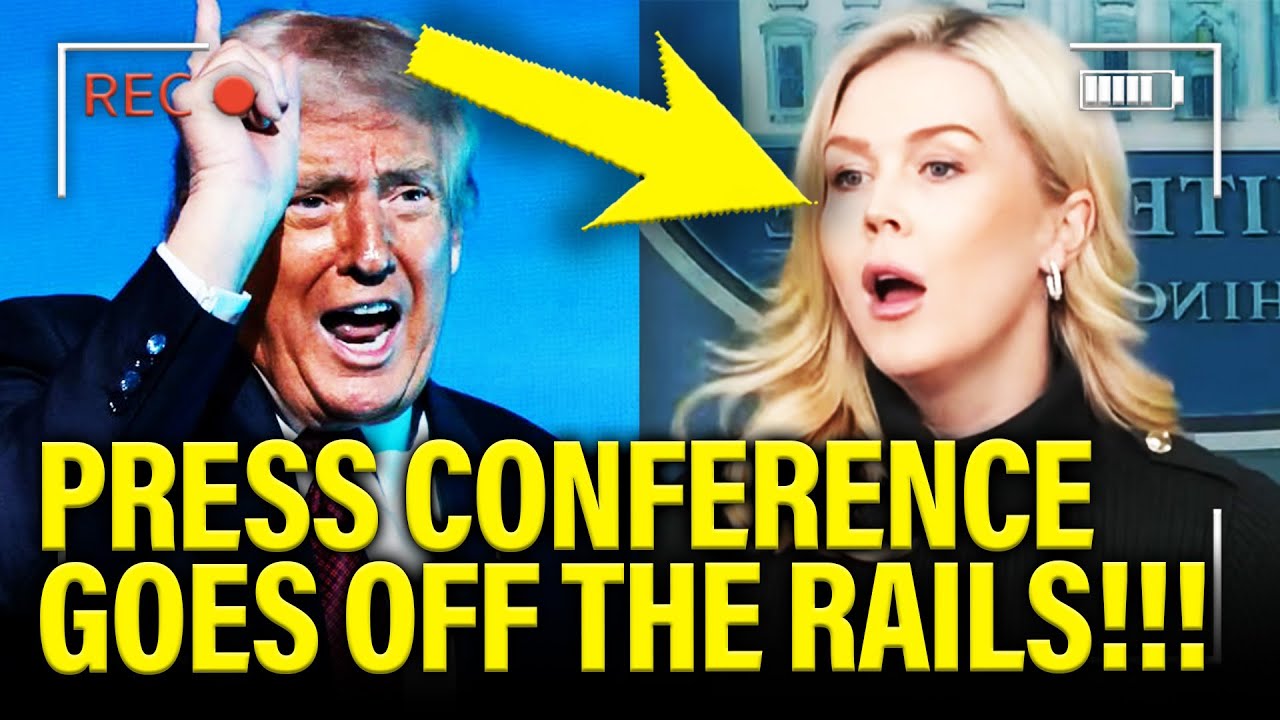
Leavitt’s remarks, delivered in response to pointed questions about federal involvement and accountability, were met with visible skepticism in the briefing room. Journalists pressed for clarity on the timeline, the role of federal authorities, and whether early statements from the administration aligned with emerging facts. Several exchanges grew tense as follow-up questions exposed apparent gaps and inconsistencies in the official narrative.
Within minutes, clips from the briefing spread rapidly across social media, fueling accusations that the White House was minimizing or reframing the incident to deflect responsibility. Commentators and advocacy groups argued that the response lacked empathy for the victim’s family and failed to address broader concerns about law enforcement practices and transparency. Hashtags related to the shooting and the briefing began trending, amplifying calls for clearer answers.

Political analysts say the episode underscores a growing credibility challenge for the administration at a time when public trust is already strained. “In high-stakes situations involving loss of life, precision and transparency are everything,” one communications expert noted. “Any perception of spin can backfire instantly, especially in today’s media environment where narratives form in real time.”
The backlash also reignited debate over federal oversight and the communication strategies used when violent incidents intersect with national policy issues. Lawmakers from both parties weighed in, with some demanding briefings behind closed doors and others urging the administration to release more detailed information as investigations continue.
As scrutiny intensifies, the White House faces mounting pressure to recalibrate its messaging and provide a fuller accounting of what happened in Minnesota. For now, the chaotic briefing stands as a stark reminder that in moments of crisis, words matter—and when they fall short, the fallout can be swift and unforgiving.






