The money question that haunted Canada’s biggest pipeline dream may have just been answered — and the timing could reshape global energy markets for decades.

As war rattles the Middle East and Asia scrambles for secure oil supplies, Ottawa has quietly signaled something unthinkable just a few years ago: Canadian taxpayer-backed financing could help build a massive new pipeline to the Pacific.
For years, every debate about a new Canadian oil pipeline ended the same way. The route was controversial. The politics were explosive. Environmental battles were inevitable. But the real deal-breaker was always financing. Who would risk billions on a project vulnerable to court fights, protests, and political reversals?
Now, Canada’s federal government appears ready to step directly into the equation.
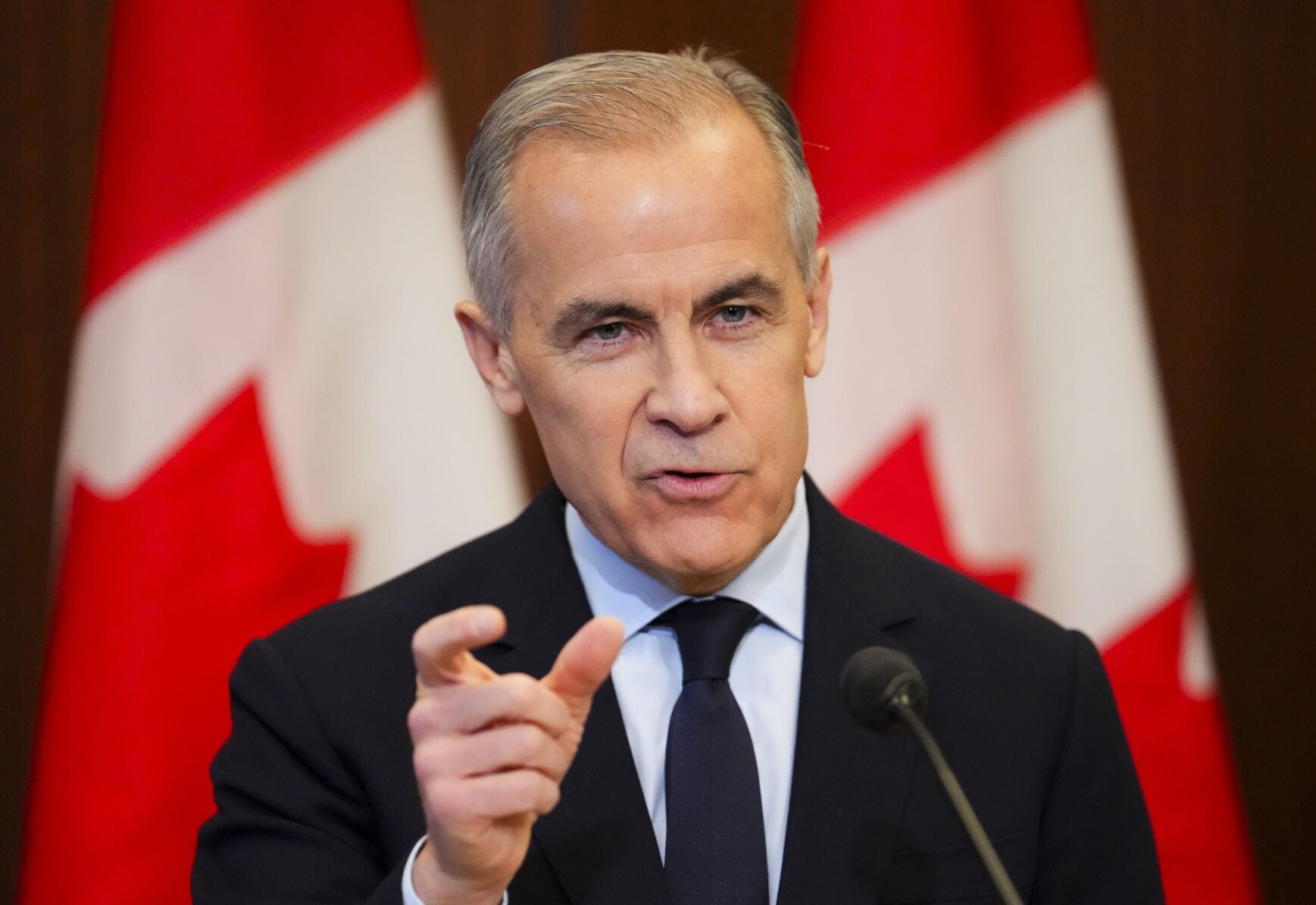
During a parliamentary committee hearing in Ottawa, Energy Minister Tim Hodgson confirmed that public financing could support Alberta’s proposed one-million-barrel-per-day pipeline to the Pacific coast through Canada’s Indigenous Loan Guarantee Program. That statement may sound technical, but inside Canada’s energy sector, it landed like a thunderclap.
For the first time, Ottawa publicly acknowledged that federal-backed financial tools could help make the project real — not by directly owning the pipeline, but by supporting Indigenous communities purchasing equity stakes in it.
That changes everything.
The proposed pipeline comes at a moment of historic global instability. After military strikes involving Iran triggered chaos around the Strait of Hormuz, nearly 20% of the world’s seaborne oil supply suddenly faced disruption. Asian energy giants including Japan, South Korea, India, and China began urgently searching for safer long-term suppliers outside conflict zones.
And Canada suddenly looks like the answer everyone wants.
The country already produces roughly 5.3 million barrels of oil per day. Existing export infrastructure to Asia through the expanded Trans Mountain system is running near capacity, with more than 60% of shipments now flowing toward Asian markets. Before the expansion, Canadian oil exports to Asia were almost nonexistent. Today, they represent hundreds of millions of dollars every month.
But global demand is rising faster than Canada’s ability to ship supply overseas.
That is why this new pipeline matters so much.
At full scale, the project could nearly double Canada’s Pacific export capacity, sending another million barrels per day to Asian buyers desperate for stable democratic suppliers. Industry leaders argue the economic implications are staggering: billions in additional monthly revenue, reduced dependence on U.S. buyers, and a strategic shift in global energy influence.

Yet the most important part of this story is not the oil. It is ownership.
For decades, pipeline projects across Canada collapsed under the weight of Indigenous opposition, legal rulings, and political deadlock. Northern Gateway failed. Energy East died. Keystone XL became an international political battlefield. Even Trans Mountain survived only after the federal government purchased the project outright.
The common problem was impossible to ignore: Indigenous communities often had little ownership, limited economic benefit, and major environmental concerns.
Ottawa’s Indigenous Loan Guarantee Program is designed to flip that model upside down.
The program allows Indigenous groups to secure federally backed financing to invest directly in major energy and infrastructure projects. Originally launched with $5 billion in capacity, the government expanded it to $10 billion earlier this year as pressure mounted to accelerate national projects.
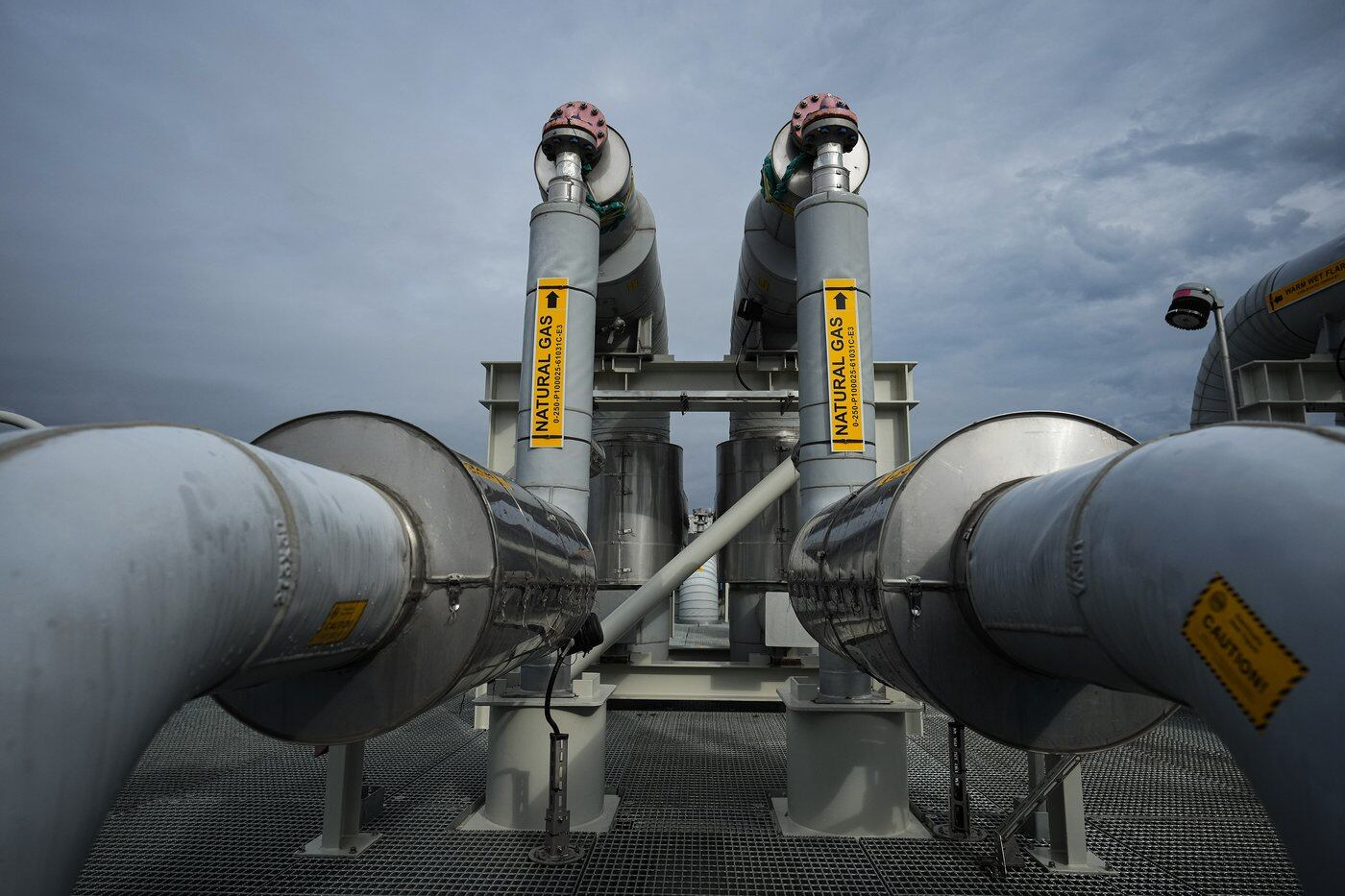
The model already exists in practice. In 2025, 38 First Nations in British Columbia secured backing for a major stake in a natural gas pipeline system. That transaction became proof that Indigenous equity partnerships could fundamentally alter Canada’s infrastructure politics.
Now, the same framework may power the country’s largest oil expansion in a generation.
Supporters argue Indigenous ownership changes incentives entirely. Communities become decision-makers instead of bystanders. Revenue flows directly into local economies for decades. Oversight, environmental protections, and routing discussions gain stronger legitimacy.
But major obstacles remain.
There is still no confirmed private-sector builder. Opposition from some coastal First Nations continues to intensify, particularly around tanker traffic and environmental risk. British Columbia’s northern tanker moratorium also complicates potential routes, pushing Ottawa toward a southern corridor linked to existing infrastructure near Vancouver.
And despite growing momentum, this project is still years away from completion.
Alberta must formally submit its proposal to Ottawa’s Major Projects Office by July 1st, 2026. Regulatory reviews, environmental assessments, legal challenges, and financing negotiations could stretch well into the next decade.
Still, the tone in Ottawa has unmistakably shifted.
The federal government is no longer speaking about pipelines as theoretical political liabilities. It is openly discussing financing mechanisms, Indigenous co-ownership structures, and strategic energy exports in the middle of a global supply crisis.
That alone marks a dramatic turning point.
As Asian buyers rush to lock in future energy contracts and global supply chains fracture under geopolitical pressure, Canada may be standing at the edge of the most consequential energy expansion in modern national history.
And this time, the money finally has a name.






