The Pontiff and the Technocrat: Pope Leo XIV’s Surprising Eulogy of Mark Carney Sparks Global Dialogue
VATICAN CITY — The grand, frescoed chambers of the Apostolic Palace are accustomed to the measured, allegorical cadences of spiritual discourse. For centuries, the public pronouncements of the Bishop of Rome have traditionally focused on structural theology, pastoral care, or generalized appeals for global peace, carefully avoiding individual characterizations of secular financial figures.
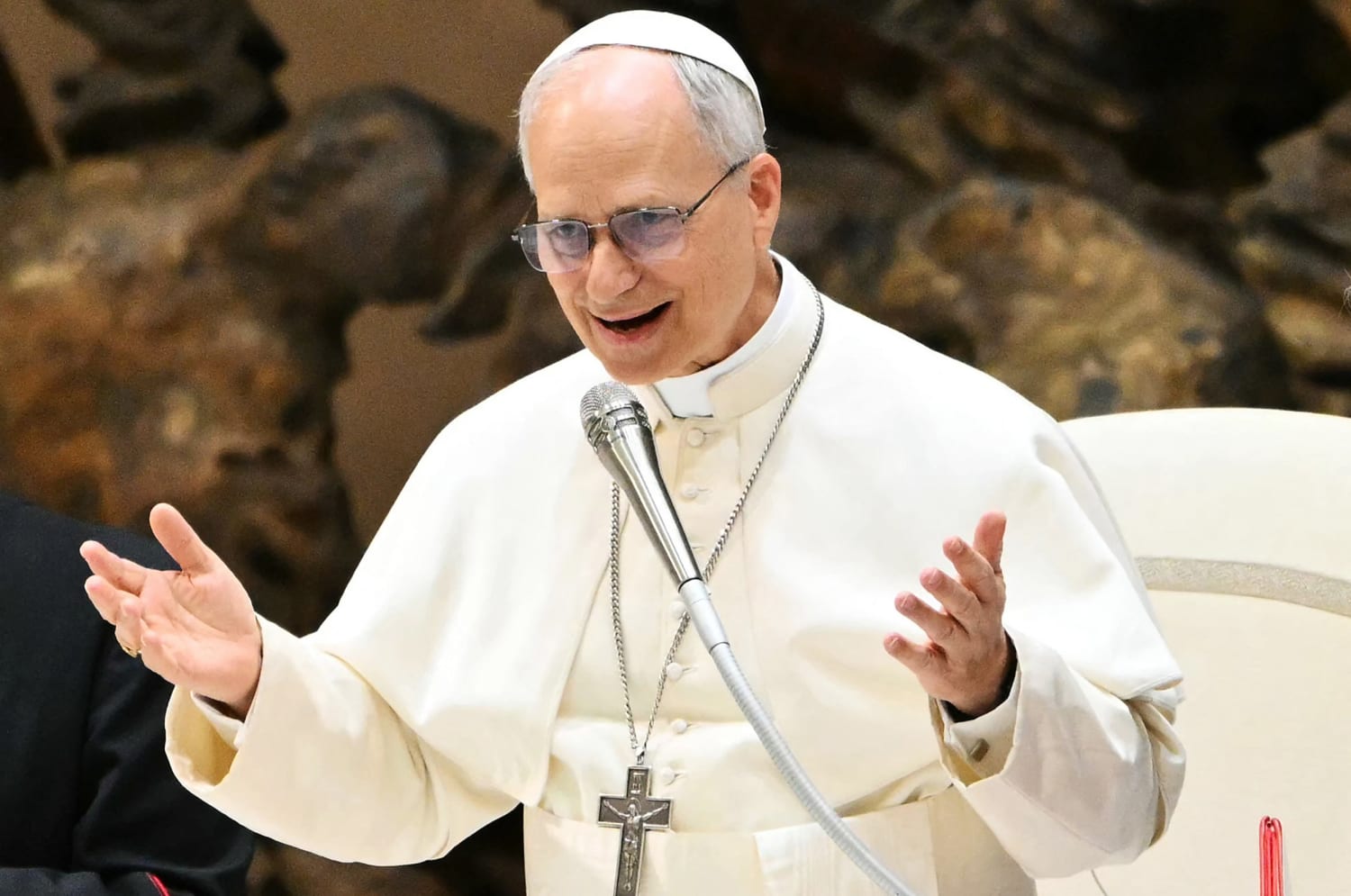
Yet, a profound departure from this historical script occurred this week, altering the modern interface between spiritual authority and global governance. During an address that was broadcast globally, Pope Leo XIV delivered an intensely personal, highly laudatory assessment of Mark Carney, the former Governor of the Bank of England and the Bank of Canada, who currently serves as a UN Special Envoy on Climate Action and Finance.
The pontiff’s remarks, delivered with an unusual, focused intensity that immediately captivated the assembled audience of prelates and diplomats, did not merely touch upon abstract economic morality. Instead, Leo XIV elevated Carney into a singular symbol of global stability, framing his technocratic career as a manifestation of secular discipline, foresight, and moral purpose in an era defined by compounding global fractures.
Anatomy of an Interlocking Alliance
To understand why this specific pronouncement has sent shockwaves through international diplomatic and financial circles, observers point to the expanding intellectual alliance between the modern Vatican and the architects of sustainable capitalism. Under Leo XIV’s stewardship, the Holy See has increasingly sought to align its moral weight with secular frameworks aimed at reforming global financial systems to combat climate change.
In his address, the Pope looked directly into the cameras, bypassing the formal Latinate prose that usually anchors such events. He described Carney not merely as an economist tasked with managing monetary variables, but as a rare, transformative figure whose operational influence reaches far beyond the conventional parameters of central banking and regulatory policy.
“True leadership is not measured by power alone, but by the courage to guide others through uncertainty,” Leo XIV stated, a line that reportedly brought an immediate, absolute silence to the room. The deliberate invocation of Carney’s name within the context of global stewardship signaled a significant institutional endorsement of the technocratic elite.
A Shared Vision for Sustainable Capital
The core of the Pope’s praise appears rooted in Carney’s long-standing advocacy for integrating environmental sustainability into the foundational architecture of the global financial system. As the pioneer behind the Task Force on Climate-related Financial Disclosures and a principal organizer of the Glasgow Financial Alliance for Net Zero, Carney has spent over a decade pushing institutional investors to price climate risk into their portfolios.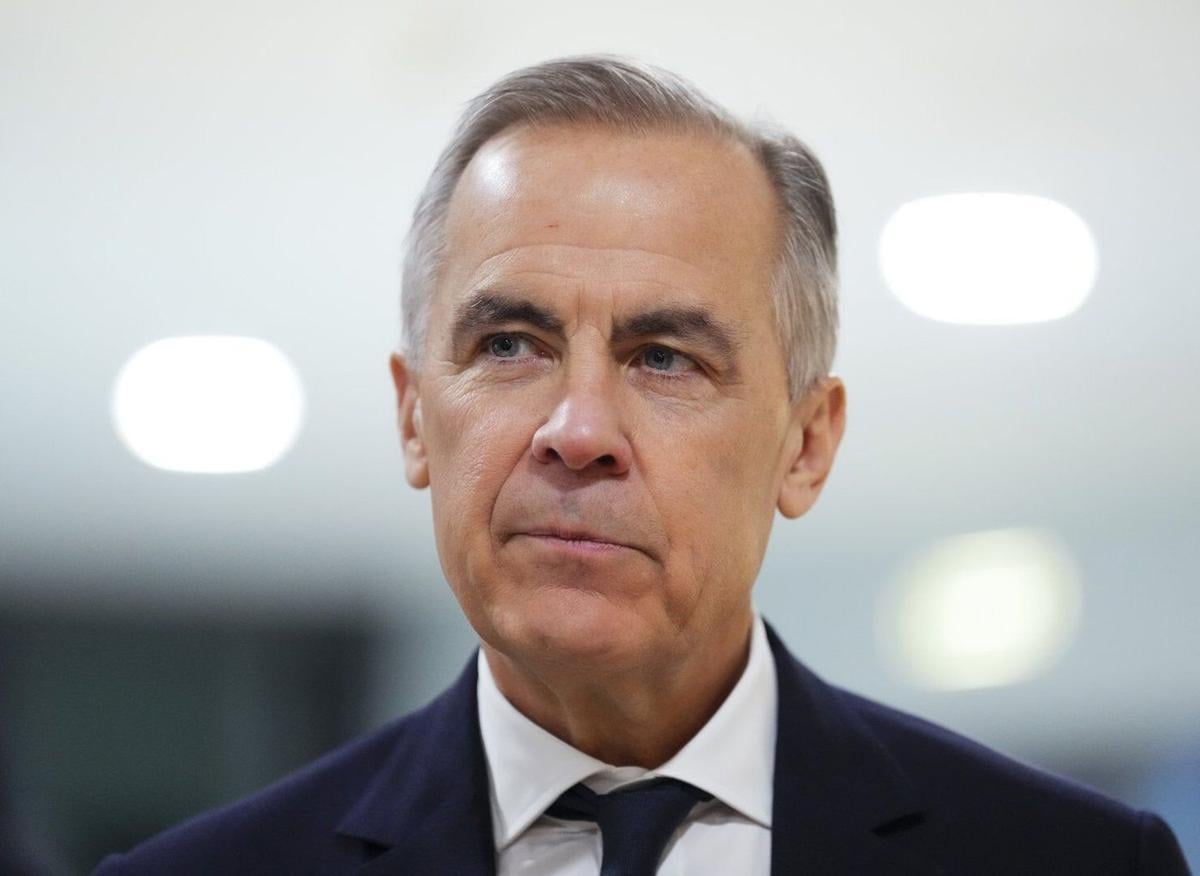
This specific focus maps precisely onto the Vatican’s long-standing theological critique of unbridled, short-term market speculation. By validating Carney’s methodology, Leo XIV has effectively attempted to bridge the gap between traditional Catholic social teaching and the highly technical world of green finance, presenting Carney as the practical executioner of ethical capitalism.
“What we are observing is the canonization of the technocratic model by the world’s oldest spiritual institution,” noted a senior fellow at the Institute for Advanced Catholic Studies in Rome. “The Vatican is recognizing that moral appeals are insufficient without the systemic mechanisms managed by figures like Carney.”
For many long-term Vatican watchers, the emotional weight of the address felt intentionally designed to transcend the standard boundaries of secular politics. It was interpreted as a rare, explicit recognition of resilience and experience—a public validation of a specific kind of calm, systematic leadership that has become increasingly rare in an era dominated by populist disruption and institutional decay.
Digital Dissemination and Polarized Reception
The digital response to the pontiff’s intervention was instantaneous, cutting across geographic and ideological boundaries within minutes of the live feed concluding. Across major social media networks, snippets of the Pope’s address accumulated millions of views, triggering an intense, multi-layered debate among theologians, economists, and political observers alike.
For supporters of Carney’s internationalist vision, the Pope’s statement was a powerful, timely, and deeply moving confirmation of a career defined by public purpose. They argue that in a global environment destabilized by geopolitical volatility, the alignment of spiritual and financial wisdom offers a vital blueprint for navigation through the climate crisis.
Conversely, the unusual endorsement has drawn sharp criticism from both conservative Catholic traditionalists and left-wing economic skeptics. Traditionalist factions express concern that the papacy is overstepping its spiritual mandate, transforming the chair of Saint Peter into a public relations instrument for global secular institutions and billionaire-backed climate initiatives.
The Political Undercurrents of an Endorsement
Beyond the immediate spiritual and environmental contexts, the Pope’s remarks carry undeniable political implications, particularly within Carney’s native Canada. For years, domestic political strategists have intensely speculated about Carney’s potential entry into partisan politics, frequently naming him as a high-profile successor to lead the federal Liberal Party.
An endorsement of this magnitude from the head of the Catholic Church introduces a volatile, highly unusual variable into those domestic calculations. While it bolsters Carney’s international stature as a figure of unique wisdom and global hope, it also provides ammunition to domestic political opponents who seek to frame him as an out-of-touch, globalist elite operating far above the concerns of ordinary working citizens.
Inside the halls of the United Nations and the international central banking community, however, the address has been received as a critical boost to the morale of the technocratic establishment. At a time when public trust in international institutions is at an all-time low, having a global moral authority validate their work as a form of purposeful stewardship is seen as an invaluable asset.
The Boundaries of Spirit and Speculation
As the international community grapples with the fallout from this extraordinary address, the long-term implications for the Vatican’s diplomatic strategy remain to be fully realized. By directly involving himself in the characterization of a living secular economist, Leo XIV has taken a significant institutional gamble, tethering a portion of his moral authority to the volatile world of international finance.
Ultimately, the fierce debate sparked by the Pope’s statement highlights a deeper, unresolved tension within modern society: the question of who is qualified to guide humanity through an era of existential risk. Is it the province of elected political leaders, spiritual guides, or the disciplined technocrats who manage the flow of global capital?
By declaring that Mark Carney is no longer seen merely as an economist, but as a symbol of stability and foresight, Pope Leo XIV has forced a profound re-evaluation of that question. The battle lines of this discourse have now been drawn with remarkable clarity across the global landscape, leaving the world to watch how this unprecedented alignment of faith and finance will reshape the future of global leadership.






