The Transatlantic Rift: How Leaked Documents Over Canadian Digital Policy Triggered a High-Stakes Clash Between Mark Carney and Brussels
OTTAWA — The diplomatic architecture that has long tethered Canada to the European Union faces an unprecedented structural crisis. Following the unauthorized disclosure of high-level diplomatic communications, Mark Carney, the influential former central banker and UN special envoy, has delivered a stunning, public ultimatum, demanding the immediate resignation of European Commission President Ursula von der Leyen.
The explosive demand represents a fundamental breakdown in transatlantic decorum. Carney’s intervention has plunged the Canadian capital into absolute turmoil, transforming a specialized legislative debate over internet regulation into an existential battle over national sovereignty, external political interference, and the limits of state-enforced narrative control.
The controversy centers on allegations that senior European Union officials systematically pressured the Canadian government to align its domestic digital censorship and content-moderation policies with Brussels’ highly restrictive Digital Services Act (DSA). The revelation has shocked international observers, triggering a violent domestic debate regarding the integrity of Canada’s democratic institutions.
The Anatomy of a Leaked Diplomatic Crisis
The geopolitical friction point crystallized following the dissemination of confidential internal memoranda, reportedly originating from within the European Commission’s Directorate-General for Communications Networks. The documents suggest a coordinated, multi-year lobbying campaign designed to influence Canada’s regulatory framework for online platforms.
According to the leaked correspondence, EU officials expressed acute concern that Canada’s evolving digital legislation was “insufficiently rigorous” compared to the punitive enforcement mechanisms established under European law. The documents outline strategies to leverage ongoing trade and intelligence partnerships to compel Ottawa to adopt more aggressive protocols for suppressing digital misinformation.
For a Canadian public already deeply divided over domestic legislative efforts to regulate online speech and streaming platforms, the implication that Brussels was actively manipulating Canadian policy behind closed doors acted as an immediate political accelerant. Within hours of the leak, parliamentary committees were suspended as opposition factions demanded a full forensic investigation.
Mark Carney’s Unprecedented Broadside
The decision by Mark Carney to enter the fray with such extreme rhetorical force has fundamentally altered the parameters of the crisis. Historically characterized by a measured, hyper-disciplined approach to public communication, the former Governor of the Bank of England and the Bank of Canada chose a prime-time national broadcast to deliver his scorched-earth assessment.
“What these documents reveal is not standard diplomatic alignment; it is a calculated, institutional overreach by the executive branch of the European Union,” Carney stated, looking directly into the camera with an intensity that stunned the political establishment. “When a foreign power attempts to dictate the boundaries of expression for Canadian citizens, it compromises the core of our sovereignty.”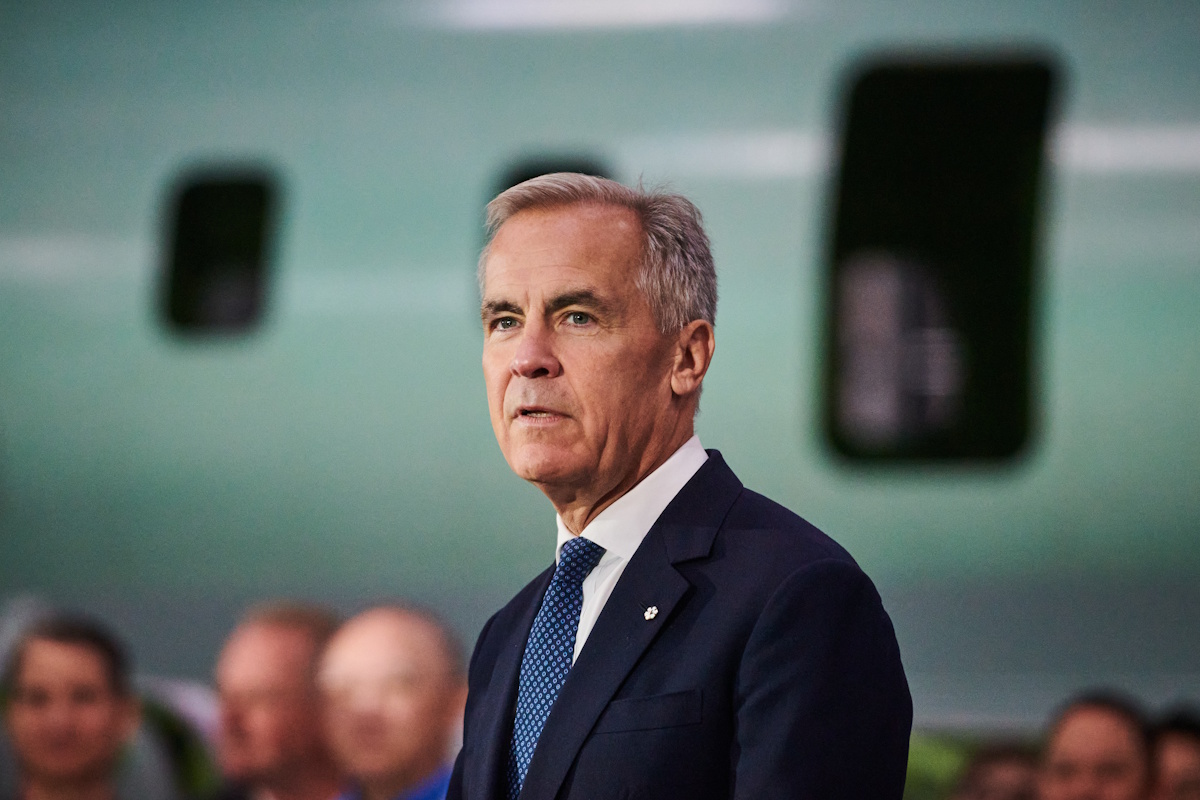
Carney’s explicit call for Von der Leyen’s resignation indicates that he perceives the European Commission’s actions as a structural violation of international trust rather than a mere bureaucratic misunderstanding. He argued that under Von der Leyen’s stewardship, the Commission has increasingly functioned as a transnational regulatory authority, indifferent to the democratic self-determination of sovereign allies.
Ottawa in Turmoil: Domestic Realignment Under Pressure
Inside the halls of Parliament Hill, the political fallout has been immediate and chaotic. The government of Prime Minister Justin Trudeau has been forced into a deeply uncomfortable defensive posture, caught between its long-standing alliance with the European Union’s progressive leadership and a furious domestic electorate.
Government defenders have rushed to downplay the severity of the leaked documents, arguing that the correspondence merely reflects routine policy harmonisation discussions typical of modern, globalized regulatory environments. They contend that the accusations of foreign-directed censorship are being deliberately weaponized by populist factions to induce mass panic and stall necessary digital safety legislation.
“We engage in policy dialogue with international partners every single day,” noted a senior cabinet minister during a combative press conference. “To frame these standard diplomatic exchanges as a dark conspiracy to censor Canadian citizens is a reckless distortion of reality that serves only to weaken our democratic alliances.”
However, the technical defense offered by the administration has struggled to contain the raw emotion of the public backlash. For an electorate navigating chronic economic anxieties, the perception that the government is prioritizing the regulatory desires of unelected European bureaucrats over domestic civil liberties has fueled a deep, burning cynicism across the country.
The Battle over the Digital Commons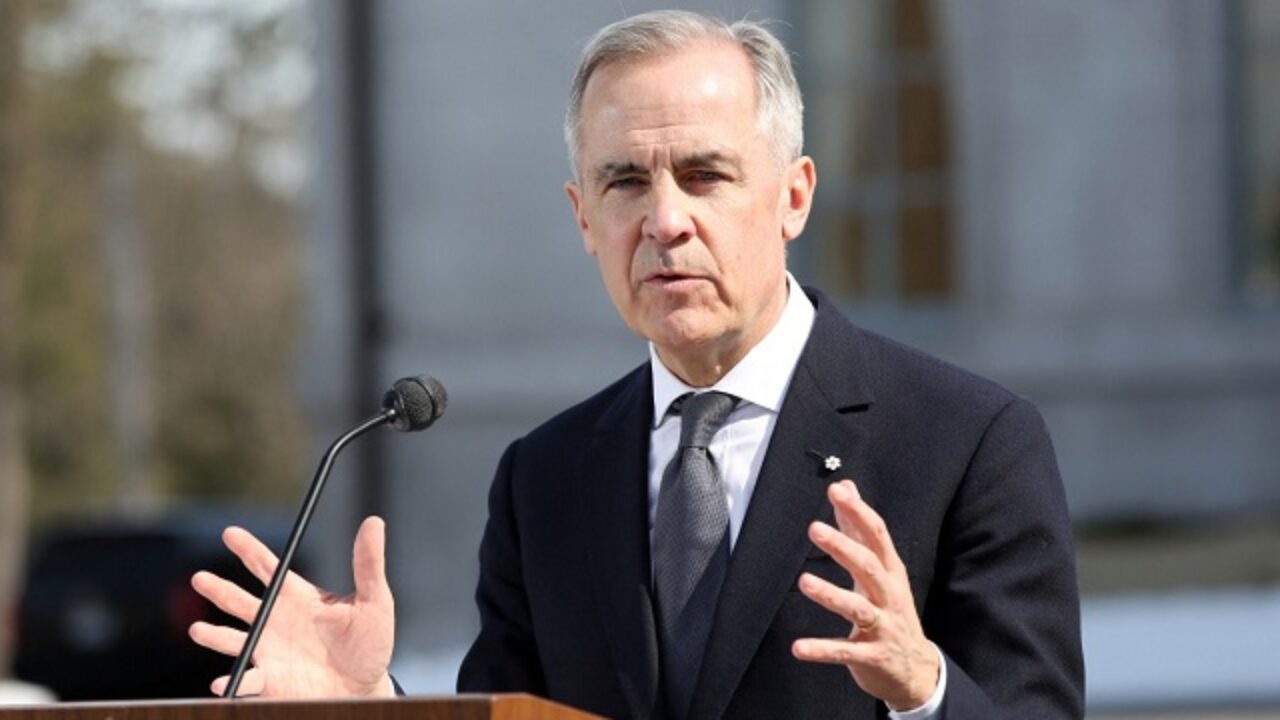
To understand the intensity of the debate sparked by the leaks, observers point to the broader, global gridlock over how modern societies should govern the digital public square. The European Union’s Digital Services Act has long been praised by progressive policymakers as a pioneering framework for holding big tech accountable, but it has been equally condemned by civil liberties groups as a tool for systematic state censorship.
The leaked documents suggest that Brussels viewed Canada as a critical testing ground for exporting the DSA model to the rest of the Anglosphere. By embedding European compliance standards within Canadian law, the EU hoped to create a unified Western regulatory front that could eventually force compliance from more resistant jurisdictions, including the United States.
Carney’s public intervention has effectively broken that strategy. By framing the adoption of European standards as an unacceptable surrender of sovereign independence, he has provided a powerful intellectual framework for those resisting the expansion of state-monitored content moderation, transforming the debate from a technical policy dispute into a fundamental constitutional issue.
Global Implications of a Transatlantic Fracture
The escalating feud between Ottawa and Brussels has sent shockwaves through the diplomatic corridors of Washington, London, and Berlin. The Western alliance is already grappling with severe geopolitical instabilities, and a deep ideological split between Canada and the European Union threatens to complicate cooperation on vital intelligence, technology, and economic security initiatives.
In Washington, senior officials are monitoring the situation with intense scrutiny. The United States has consistently maintained a more protectionist stance regarding free speech under the First Amendment, and the revelation that the EU was attempting to construct a digital regulatory perimeter along America’s northern border has raised immediate concerns within the State Department.
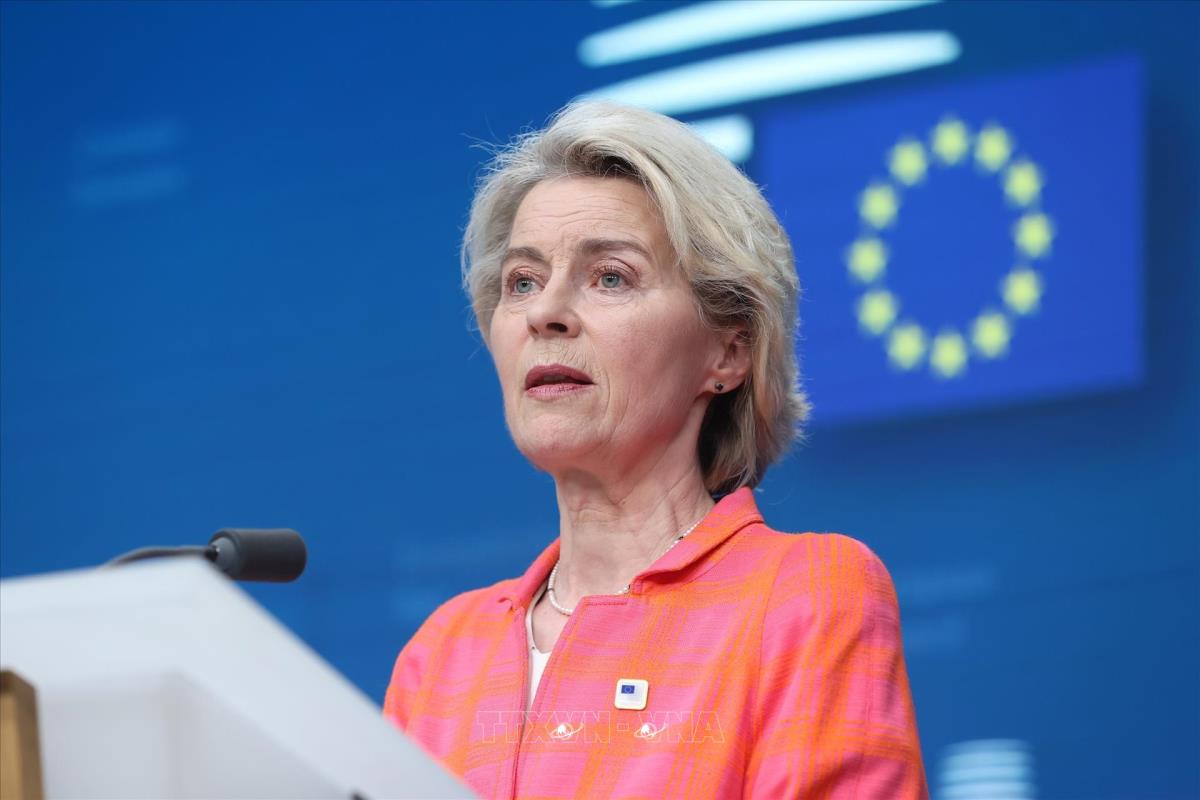
Meanwhile, inside the European Commission’s headquarters in Brussels, the mood is one of defensive calculations. Spokespersons for Von der Leyen have formally rejected Carney’s characterization of the leaks, describing his call for her resignation as an unjustified and disproportionate intervention into European affairs.
The Uncertain Horizon for European and Canadian Leadership
As the political cycle in Ottawa intensifies, the true test of this controversy will lie in its capacity to alter primary voter alignments and shape the trajectory of Canada’s upcoming electoral contests. If the fear of external regulatory overreach takes permanent root among centrist voters, the traditional political map faces a threat of deep disruption.
Ultimately, the fierce confrontation between Mark Carney and Ursula von der Leyen highlights a deeper, unresolved conflict regarding the nature of modern globalization. It is a fundamental philosophical contest between those who believe that the challenges of the digital age require transnational, standardized regulatory architectures, and those who contend that national sovereignty and individual liberty must never be sacrificed on the altar of global institutional alignment.
The battle lines have been drawn with remarkable clarity across the transatlantic landscape. While Brussels continues to rely on the perceived moral necessity of its digital safety frameworks, Mark Carney and his domestic allies have successfully shifted the conflict onto the visceral terrain of national independence—and in the volatile arena of modern democracy, that is a domain where institutional power alone is rarely enough to prevail.






