Secret Nondisclosure Agreements at the Supreme Court Ignite a New Debate Over Transparency and Power
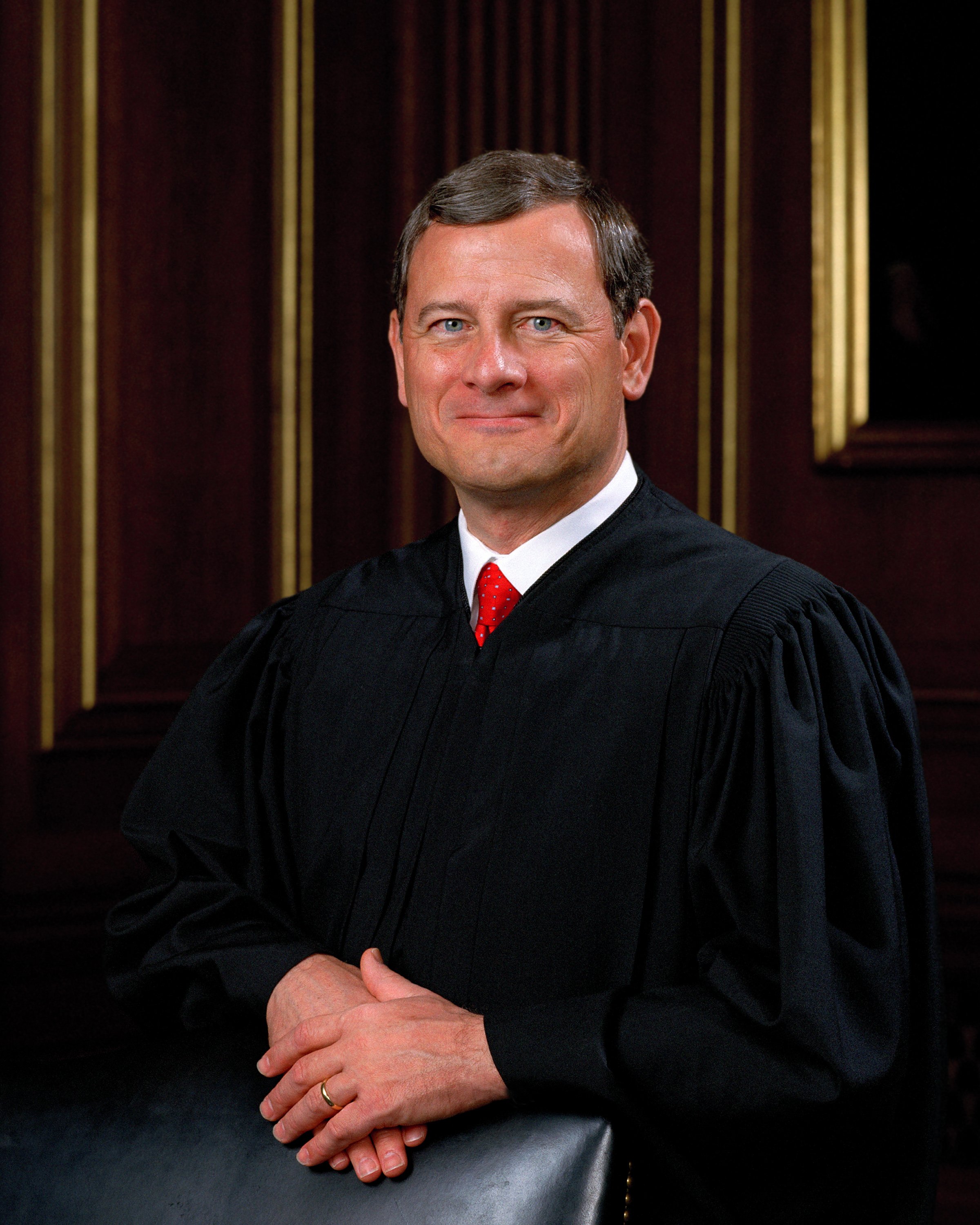
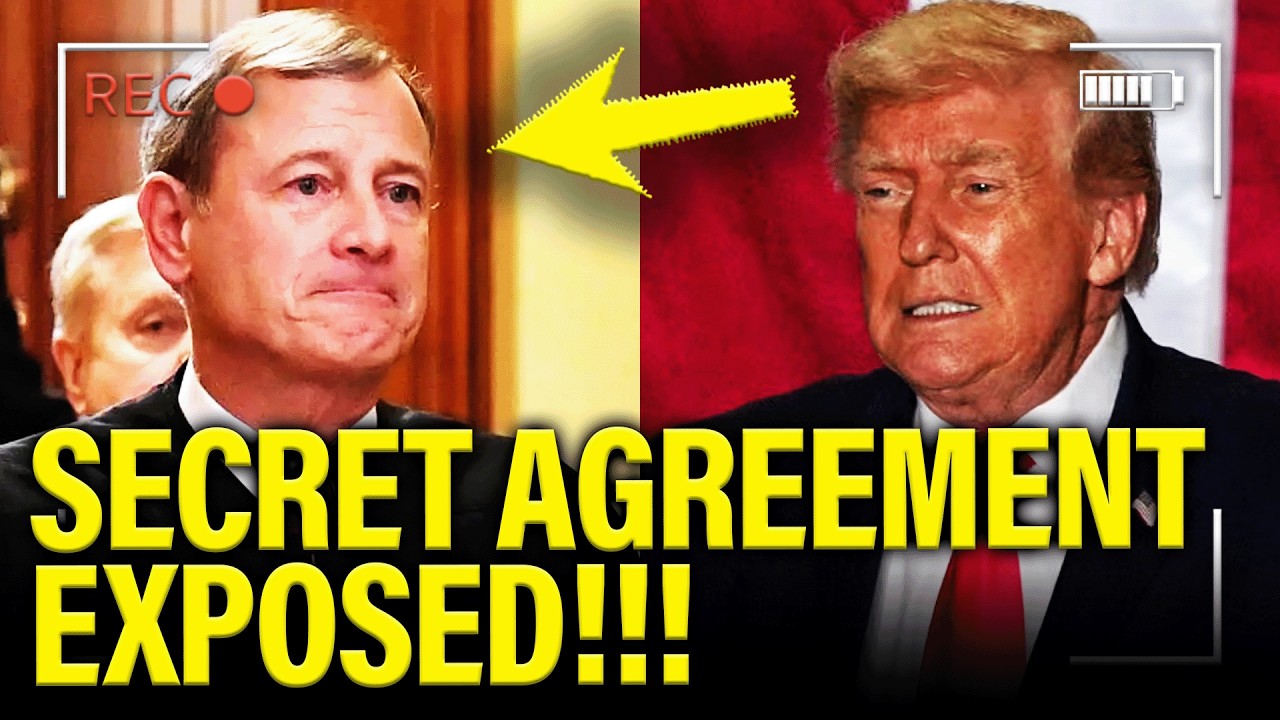
WASHINGTON — The United States Supreme Court, long insulated by tradition and mystique, is facing renewed scrutiny after revelations that Chief Justice John Roberts has required court employees to sign strict nondisclosure agreements barring them from speaking with journalists or disclosing internal information — under threat of serious legal consequences.
The existence of the agreements, first reported by The New York Times, has unsettled legal scholars and former court insiders, reopening a debate that goes to the heart of democratic governance: How much secrecy is necessary to protect judicial deliberation — and when does secrecy itself become a threat to public accountability?
A Court Guarded by Secrecy
According to the reporting, the nondisclosure agreements apply broadly — not only to law clerks, but also to paralegals, assistants and other staff connected to the court. The NDAs prohibit unauthorized discussions with the press and the disclosure of internal court matters, with penalties that could include legal action.
The Supreme Court has historically relied on norms rather than contracts to ensure confidentiality. Clerks are bound by professional ethics; leaks have been rare, and when they occur, they are often career-ending. For decades, that informal system was considered sufficient.
The move toward formal NDAs marks a significant departure — and one that critics say reflects a court increasingly anxious about its own legitimacy.
“This is not how the Supreme Court traditionally operates,” said Harry Litman, who clerked for Justices Thurgood Marshall and Anthony Kennedy. “When I clerked, the norms were so deeply ingrained that no one would even consider revealing internal deliberations. The fact that the Court now feels the need to impose legal contracts tells you something fundamental has changed.”
The Shadow of the Dobbs Leak
The NDAs cannot be understood without reference to the 2022 leak of a draft opinion in Dobbs v. Jackson Women’s Health Organization, which overturned Roe v. Wade. That unprecedented disclosure shattered the Court’s image as an institution immune from the political forces roiling the rest of Washington.
Despite an internal investigation, the Court never identified the source of the leak. The failure to do so only deepened perceptions of dysfunction — and, according to several legal analysts, likely fueled the push for tighter controls.
In interviews and public discussions, former clerks and court observers have described a growing ideological divide among clerks themselves, mirroring the Court’s 6–3 conservative majority. What was once a shared professional culture has, some say, begun to resemble partisan camps.
“The Court is not operating in a vacuum,” Litman said. “It’s been swept up in the same polarization affecting every other institution. The Dobbs leak didn’t come from nowhere. It was a symptom.”
Necessary Protection or Constitutional Overreach?
Supporters of the NDAs argue that confidentiality is essential to the Court’s functioning. Draft opinions, vote counts and internal debates can move markets, affect elections and distort the deliberative process if prematurely disclosed.
But critics counter that nondisclosure agreements imposed by the highest court in the land raise serious constitutional questions.
“This is the government,” said one constitutional law professor. “These employees work for the public. The idea that the Supreme Court can quietly impose sweeping NDAs — without public notice or debate — is deeply troubling.”
Unlike private corporations, the Supreme Court is an Article III institution exercising public power. While courts routinely seal sensitive filings, critics say a blanket NDA regime risks chilling whistleblowing and insulating misconduct from scrutiny.
Who, after all, would adjudicate a challenge to such an agreement? If a staff member were accused of violating an NDA, would enforcement pass through the same judiciary whose secrecy was allegedly breached?
“That circularity is what alarms people,” the professor said. “If the Supreme Court is the source of the NDA, and the Supreme Court sits at the apex of the judicial system, where does accountability come from?”
The Shadow Docket and Public Frustration
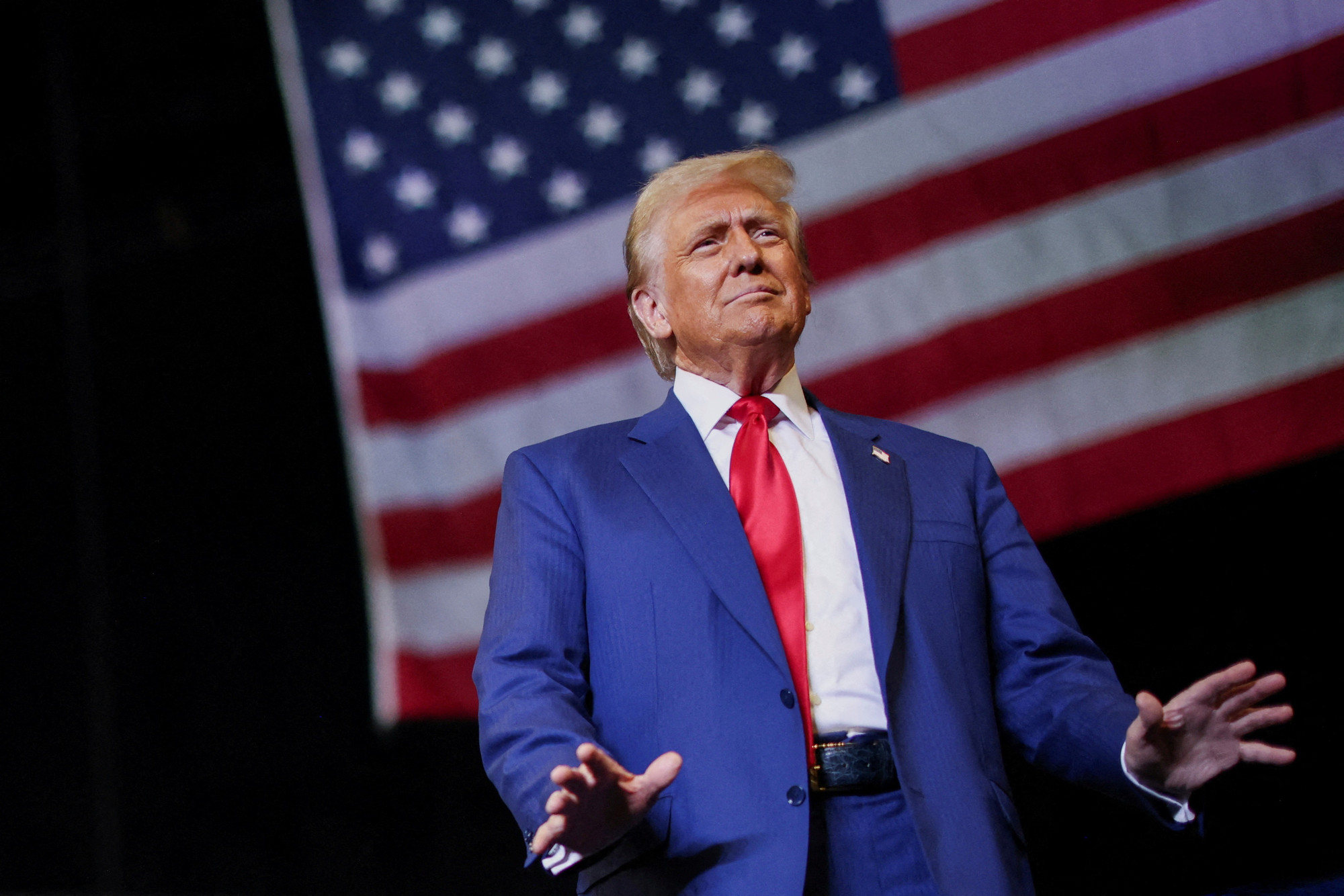
The controversy arrives at a moment of intense public frustration with the Court. Critics have pointed to the expanding use of the so-called “shadow docket” — emergency rulings issued without full briefing or oral argument — to block or reinstate major policies.
In recent years, the Court has repeatedly intervened to halt lower-court rulings against Trump-era initiatives, often citing claims of “irreparable harm” with little explanation. Those decisions have overridden extensive fact-finding by district judges across the ideological spectrum.
To many observers, the combination of opaque emergency rulings and now-secret NDAs paints a picture of a Court retreating from transparency at precisely the moment when public confidence is waning.
Polls consistently show trust in the Supreme Court near historic lows.
“This isn’t just about leaks,” Litman said. “It’s about whether the Court understands how precarious its legitimacy has become.”
Ethics, Enforcement and Fear
Even those who defend the principle of confidentiality question the effectiveness — and necessity — of NDAs.
Violating clerk confidentiality has always carried devastating professional consequences. A confirmed leaker would likely be barred from elite legal practice, academic positions and government service.
“The professional shame alone is overwhelming,” Litman said. “You don’t need an NDA to enforce that. The culture used to be enough.”
That raises another question: What kind of enforcement is envisioned? NDAs typically rely on civil litigation. Would the Court pursue damages? Seek injunctions? Refer matters to the Justice Department?
Legal experts say such scenarios would be fraught, especially if political considerations influenced enforcement decisions — a fear intensified by recent controversies over selective prosecution and perceived double standards in Washington.
A Symbol of Eroding Norms
Ultimately, many legal scholars see the NDAs less as a practical tool and more as a symbol — one that reflects the erosion of trust inside the Court itself.
“The Supreme Court used to be the institution that didn’t need these kinds of mechanisms,” said a former appellate judge. “If it now feels it does, that’s a warning sign.”
For Litman, the development fits a broader pattern.
“This is what politicization looks like,” he said. “Not just in decisions, but in the loss of shared norms. When you replace trust with contracts, you’ve already lost something essential.”
An Unanswered Question
The Supreme Court has not publicly explained the scope or rationale of the NDAs, nor addressed whether they are temporary or permanent. That silence has only fueled speculation — and anger — among critics who argue that secrecy should never become the Court’s default posture.
In a democracy, legitimacy rests not only on legal authority but on public confidence that power is exercised openly and responsibly. Whether the Supreme Court’s turn toward contractual secrecy protects that legitimacy — or further undermines it — remains an open question.
What is clear is that the issue will not fade quietly. As Litman put it, “This shouldn’t be treated as just another scandal of the week. It goes to the core of how this institution sees itself — and how it wants the public to see it.”
In an era when trust in institutions is fragile, the Court may soon discover that the greatest risk is not disclosure — but the perception that it has something to hide.