A Blurred Face, a Blacked-Out Page and the New Epstein Files That Set Off a Global Storm
WASHINGTON — It started, as these things increasingly do, with a detail that looked minor on paper and explosive on a phone screen.
In the newest federal release of files connected to the late financier Jeffrey Epstein, some images were published with faces obscured and swaths of text blacked out. Within hours, social media feeds filled with zoom-ins, side-by-side comparisons, and confident assertions that one blurred face belonged to Donald Trump — and that the Department of Justice had quietly taken steps to “hide” him.
The government has offered no single, public explanation for any specific blurred photograph. But the broader release — an extraordinary production of millions of pages, videos and images ordered by Congress — has become a Rorschach test for a deeply polarized country: to critics, the redactions suggest selective protection for the powerful; to defenders, they reflect routine legal safeguards in sensitive investigations; to survivors, they often look like yet another system that shields institutions while exposing victims.
What is indisputable is the scale of the disclosure and the intensity of the backlash it has triggered.
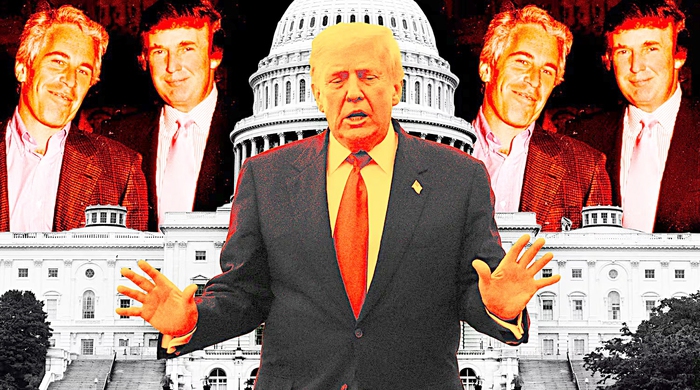
On Jan. 30, the Justice Department announced it had published more than 3 million additional pages responsive to the Epstein Files Transparency Act, along with more than 2,000 videos and 180,000 images — bringing the running total to nearly 3.5 million pages released. The law was signed by President Trump in November 2025, after months of political pressure to open the government’s investigative records on Epstein.
The release includes everything from early police reports to FBI interview summaries and digital evidence seized during raids, according to the Associated Press. It also includes material that is heavily redacted — sometimes in ways that appear inconsistent, and occasionally in ways that have had the opposite of the intended effect: drawing more attention to what has been withheld than to what has been revealed.
The redaction problem: privacy, procedure — and politics
In federal practice, redactions are not unusual. Names of victims, identifying details of minors, medical information and certain investigative methods are routinely withheld. Grand-jury secrecy rules can restrict disclosure. Ongoing investigations can lead to temporary concealment of names and facts. And in cases involving sexual abuse, federal officials often err toward protecting victims from further harm.
Justice Department officials have cited that need broadly, emphasizing that “significant redactions” were required to protect survivors. But the files have produced fierce criticism from multiple directions because the redactions do not always seem to align with that stated purpose.
CBS News reported that lawmakers reviewing the release questioned why the government identified more than 6 million potentially responsive pages but released only about half, while also redacting or withholding more than 200,000 pages — even as officials described the production as compliant with the law.
Survivors’ advocates have been even more blunt. The Guardian reported that Epstein survivors issued a statement condemning the release for exposing survivors’ identifying information in some instances while names of alleged abusers were sometimes obscured. That criticism has helped fuel the online anger that now surrounds the entire disclosure project.
:max_bytes(150000):strip_icc():focal(749x0:751x2)/Donald-Trump-and-Jeffrey-Epstein-022725-9b89c3f0d99e434e9f6790bf0657cbbb.jpg)
It is in that climate that blurred faces have become gasoline.
One image circulating widely online — a photograph from the files in which faces are covered by black rectangles — has been posted and reposted as evidence of selective concealment. But the government has not publicly identified the people in that photograph, and it is precisely the nature of blurring that it encourages a kind of crowdsourced certainty: if the outline looks familiar, many users will decide they “know” who it is.
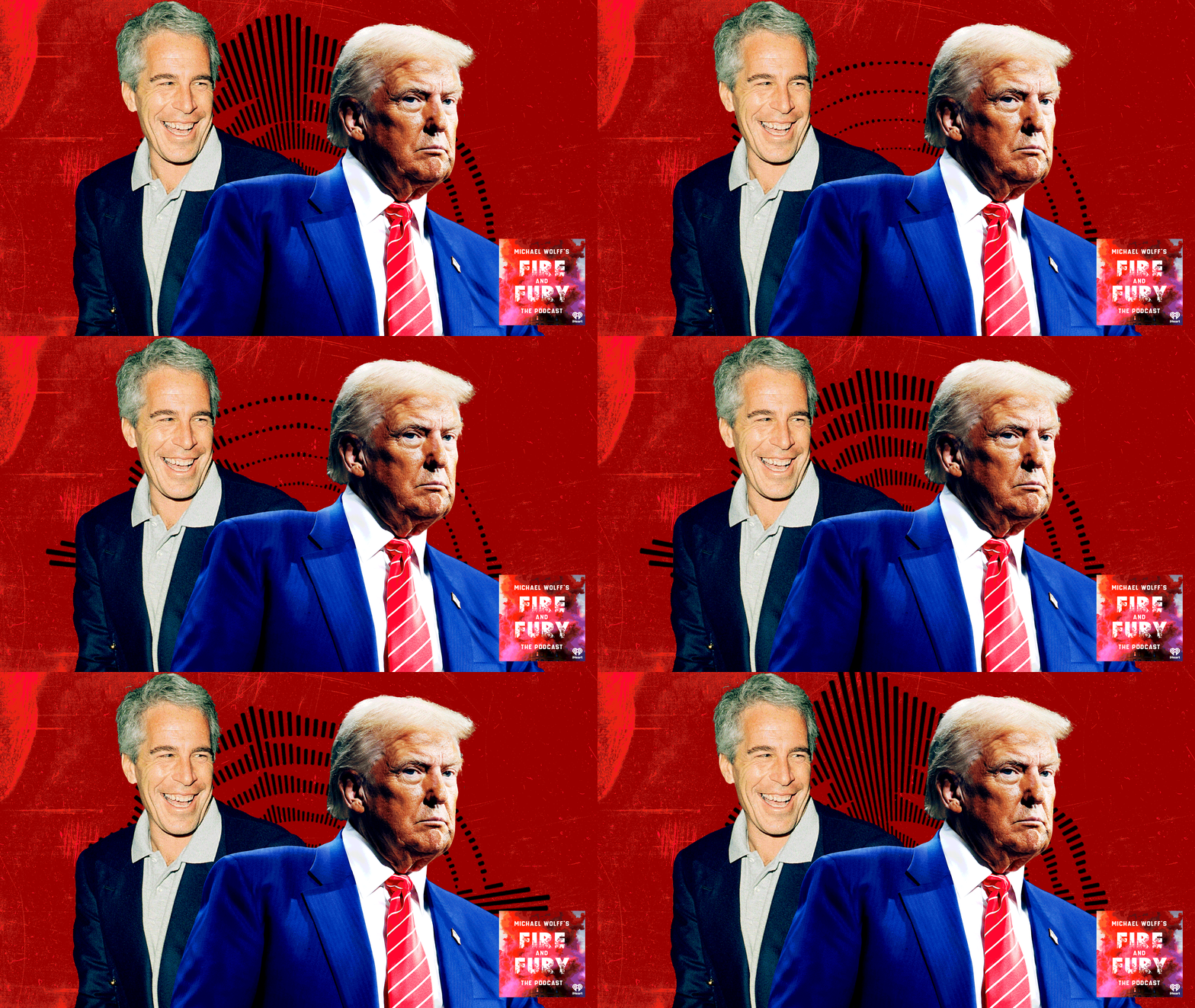
That dynamic has collided with an established reality: Donald Trump’s name appears in Epstein-related material as a matter of documented social proximity — a point that has long been publicly reported — but appearance in investigative files is not, by itself, evidence of criminal conduct.
The Associated Press, describing the new tranche, noted that the documents include material concerning famous associates across politics and society, including Trump and former President Bill Clinton, while also emphasizing that the disclosures do not automatically imply wrongdoing by those mentioned.
Why blurred faces can be more inflammatory than names
To understand why the blurred-face issue has been so combustible, it helps to understand the psychology of redaction. Black bars suggest a deliberate choice. They visually imply: someone decided you should not see this.
In a routine criminal case, that can be an administrative footnote. In a case as politically radioactive as Epstein — with its long history of perceived privilege, lenient deals and unanswered questions — redaction becomes narrative.
The AP’s timeline of the case underscores why mistrust is baked in. Epstein’s early prosecution ended in a widely criticized 2008 plea deal that kept federal charges off the table, followed by a light sentence and work-release arrangement. Even after Epstein’s 2019 arrest, he died in jail before trial, leaving a vacuum that conspiracy theories rushed to fill.
Now, with millions of pages arriving in waves, the process itself has become part of the scandal: not just what the government is releasing, but how.
The Justice Department says the production required enormous manpower — hundreds of lawyers and staff reviewing records for legally protected information. Yet the visible inconsistencies have created a perception that the review is either overwhelmed, politicized, or both.
The global echo chamber
The anger is not limited to the United States.
Epstein’s network — real and alleged — has always been international: travel, money, introductions, social events. That is why foreign media organizations have treated the latest disclosures as more than an American political drama. The Guardian, for example, reported on newly unsealed material that has intensified scrutiny of high-profile figures abroad, including former Barclays chief executive Jes Staley, while noting that allegations described in the files are not the same as criminal charges.
In the age of instant translation and algorithmic amplification, each revelation — and each redaction — ricochets across borders. A single blurred photo can become a global talking point within minutes, detached from what the documents actually establish.
What the documents can and cannot prove
There is a reason reputable outlets, even when publishing major new details, are careful with language around Epstein.
A name in an email chain can mean many things: an invitation, a reference, a rumor repeated by someone else. A photograph can be contextualized or misleading depending on where it was found and why investigators kept it. An FBI interview summary can include unverified claims that are recorded because investigators need to run them down — not because they have been substantiated.
This matters because the files are now being used as political weapons: clips, screenshots and selective excerpts circulate faster than nuance, and often faster than verification.
The AP described the files as the most detailed look yet at the government’s multiple investigations into Epstein and Ghislaine Maxwell, but it also reported that no additional people have been charged as a result of the release.
The question Washington cannot dodge
Behind the online frenzy is a question with real institutional weight: How should a democratic government disclose sensitive investigative records when the subject matter involves sexual abuse, victim privacy, and the reputations of people who may never be charged with crimes?
Too much secrecy fuels suspicion and conspiracy. Too little care can retraumatize victims and expose private individuals to permanent public judgment without due process. Survivors and lawmakers are now arguing that the Justice Department has managed, in parts of the release, to do both: redact in ways that appear protective of the powerful while failing to sufficiently safeguard victims.
That tension is unlikely to fade, because the story is not over. The government itself has acknowledged a larger universe of material, and the rolling nature of the releases means each new tranche will be litigated not only in courts and Congress, but also in the public square.
For now, the blurred photographs and blacked-out pages have achieved something the Justice Department almost certainly did not intend: they have turned the mechanics of disclosure into a central subject of the Epstein saga — and made the fight over transparency as politically consequential as the files themselves.