A Boycott Becomes Thinkable: How the 2026 World Cup Turned Into a Test of American Leadership
For decades, global football has relied on a comforting assumption: that the FIFA World Cup exists above politics. Stadiums could be built, sponsors secured, and television rights sold on the belief that participation by the world’s major football nations was automatic—almost mechanical. This week, that assumption fractured.
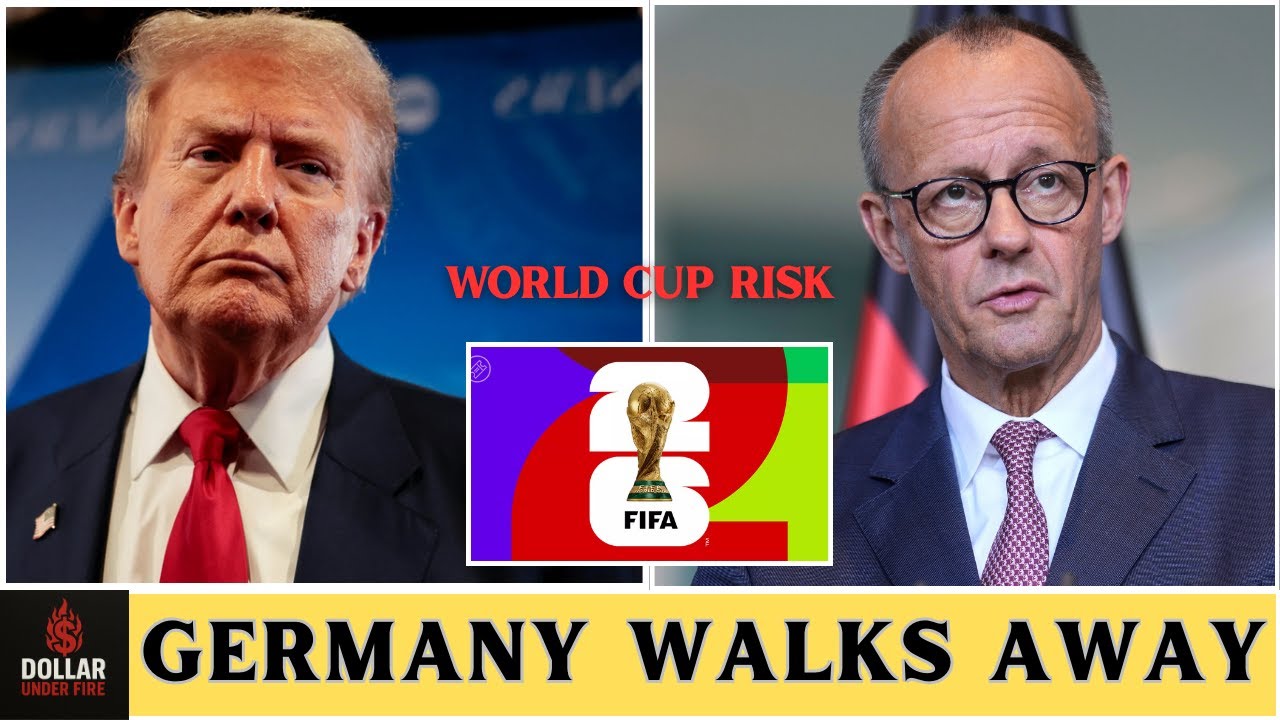
It did not collapse with protests in the streets or a dramatic declaration from a head of state. Instead, it cracked quietly, with a single sentence from within German football: that a boycott of the 2026 World Cup—scheduled to be co-hosted by the United States, Canada, and Mexico—was now being discussed.
The remark, attributed to a senior figure in the German Football Association, instantly reframed the tournament. What had been marketed as a seamless showcase of American prestige became something far more precarious: a geopolitical stress test.
Why Germany’s voice carries weight
Germany is not simply another participant. It is one of football’s commercial pillars. German matches consistently deliver enormous global television audiences, anchoring sponsorship deals across Europe, Asia, and Africa. Broadcasters price rights on the assumption that Germany will be there. Sponsors pay premiums expecting its presence.
That is why Germany did not need to announce a boycott for the impact to be felt. It merely needed to make the idea credible.
Sporting boycotts have precedent, and Germany knows this history well. The 1980 Moscow Olympics did not lose legitimacy because dozens of countries withdrew at once; it lost it because one major power moved first, creating a cascade. By referencing that past, German officials were not engaging in emotional protest. They were signaling leverage.
Timing that rattled FIFA
The timing of the comment was what truly unsettled FIFA. The tournament is less than a year away. Sponsorship contracts are locked. Broadcasting rights are sold on the assumption that Europe’s biggest football nations will draw global audiences.
A credible boycott threat at this stage does not just raise political questions; it threatens the economic architecture of the event. If Germany hesitates, others may not follow immediately—but they may pause. And in global sport, hesitation is corrosive.
FIFA publicly insists that football must remain separate from politics. Internally, the calculus is less idealistic. Remove Germany—and potentially France, England, Spain, or Italy—and the value proposition collapses. Broadcasters renegotiate. Advertisers hesitate. Contracts unravel.
A European ripple effect
Germany’s statement did not exist in isolation. Within days, other European federations began choosing their words with unusual care. Denmark acknowledged a “sensitive situation.” French officials signaled caution. British media began treating boycott scenarios as plausible rather than fringe.
None of this was loud. That was precisely the danger.
Diplomatic silence often signals preparation. European federations do not need to announce exits together to exert pressure. They only need to delay commitments, creating uncertainty that fractures FIFA’s confidence.
Denmark’s position is especially delicate. With Greenland suddenly pulled into American political rhetoric, Danish officials face questions of sovereignty that turn a sports decision into a national one. Once football intersects with territorial politics, neutrality evaporates.

The Davos subtext
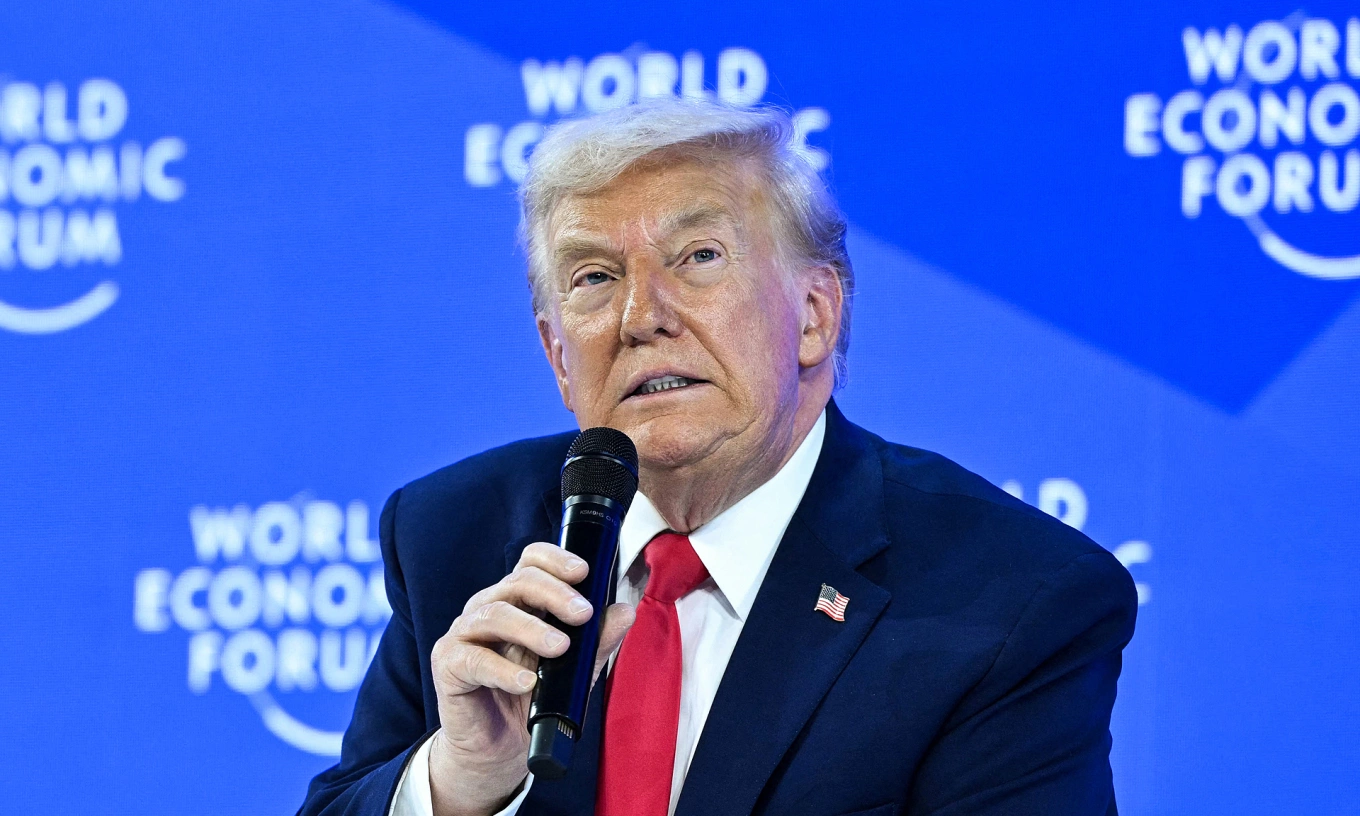
What sharpened the tension was not a football decision, but a speech. At the World Economic Forum, Canada’s prime minister, Mark Carney, delivered remarks that many diplomats interpreted as a quiet rebuke of coercive power politics.
He did not mention the World Cup. He did not attack the United States. Instead, he argued that a global order built on intimidation and dependency was eroding, and that middle powers needed to cooperate around stability, rule of law, and predictability.
That framing mattered. A boycott driven by anger looks petulant. A relocation—or rebalancing—driven by stability looks responsible. The difference provides political cover.
Canada and Mexico: ready without posturing
While the United States absorbed the shock, Canada and Mexico found themselves unexpectedly well positioned.
Neither country called for boycotts. Neither criticized Washington publicly. Instead, they projected readiness. Canada emphasized reliability and domestic investment. Mexico leaned on experience, having hosted the World Cup twice before.
Together, they became what insiders quietly began calling a “safe haven”—not an alternative to the United States, but a stabilizing counterweight within the same tournament. That possibility alone altered FIFA’s internal calculations.
A referendum on U.S. predictability
President Donald Trump had hoped the 2026 World Cup would serve as a global flex: proof that the United States remained the undisputed center of world affairs. FIFA reinforced that narrative with public praise and symbolic gestures.
Instead, aggressive rhetoric toward allies, tariff threats, and hard-line immigration policies have turned the tournament into a referendum on American predictability.
You cannot threaten allies and expect their national teams to ignore it. You cannot weaponize visa policy and assume fans will travel freely. When politics enters the stadium, FIFA loses control.
Sponsors did not sign up for uncertainty. Broadcasters did not pay premium rates for controversy. European federations are not willing to risk national credibility for optics.
The illusion collapses
No official boycott has been announced. The World Cup will almost certainly be played. There will be goals, anthems, and celebrations.
But something fundamental has changed.
The belief that participation is automatic—that global sport floats above geopolitics—has been broken. Once Germany raised the possibility of walking away, every host nation, sponsor, and federation was forced to confront an uncomfortable truth: global sport runs on trust as much as infrastructure.
For FIFA, the moment is existential. Its authority has long depended on the assumption that teams will show up regardless of politics. That assumption no longer holds.
For Europe, this is leverage. For Canada and Mexico, it is a credibility upgrade. They did not need to threaten or posture; they simply appeared steady when uncertainty hit.
And for the United States, the signal is unmistakable. Hosting global events is no longer guaranteed by money, size, or stadiums alone. It requires restraint, stability, and allies who feel welcomed rather than pressured.
A question that changed everything
Germany did not end the 2026 World Cup. It asked a question FIFA hoped would never be asked: What happens if participation becomes optional?
Once that question entered the conversation, the balance of power shifted—quietly, decisively, and perhaps permanently. Football will still be played. But it will no longer pretend to be apolitical.
That illusion is gone. And it is not coming back.