A Tariff Threat, a Davos Speech, and the Limits of Pressure: How Trump’s Warning to Canada Backfired
When President Donald Trump took to social media this week to warn Canada of a sweeping, 100 percent tariff on all Canadian goods should Ottawa deepen trade ties with China, the message landed with a thud across diplomatic and market circles. The threat—delivered not through formal channels but in a blunt public post—was framed as a response to trade cooperation with Beijing. Yet to many analysts, it read less like policy and more like pressure: an attempt to reassert control after Canada’s prime minister, Mark Carney, challenged the logic of coercive trade at the World Economic Forum.
The episode has become a case study in how tariffs, once wielded as a favored instrument of leverage, can lose potency when targeted countries diversify—and when rhetoric outpaces strategy.
The warning—and the whiplash
In his post, Mr. Trump said that if Canada moved forward with cooperation that would allow Chinese goods to reach the U.S. market via Canada, Washington would impose a blanket tariff on all Canadian products. He accused Beijing of “eating Canada alive” and portrayed Ottawa as a conduit for Chinese exports.
The tone marked a sharp shift from comments Mr. Trump made only days earlier, when he publicly described Canada’s pursuit of trade arrangements as “a good thing.” Nothing in the reported contours of Canada’s China discussions changed in the interim. What did change was the stage.
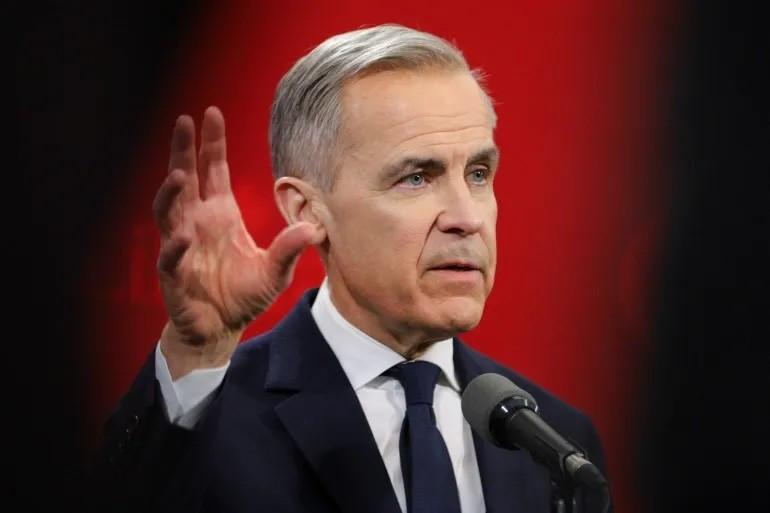
At Davos, Mr. Carney delivered a measured speech arguing that the postwar global order—one built on dependency and intimidation—was fraying, and that middle powers needed to cooperate to reduce exposure to economic coercion. He did not name the United States or Mr. Trump. The audience did not need him to.
What Canada actually did
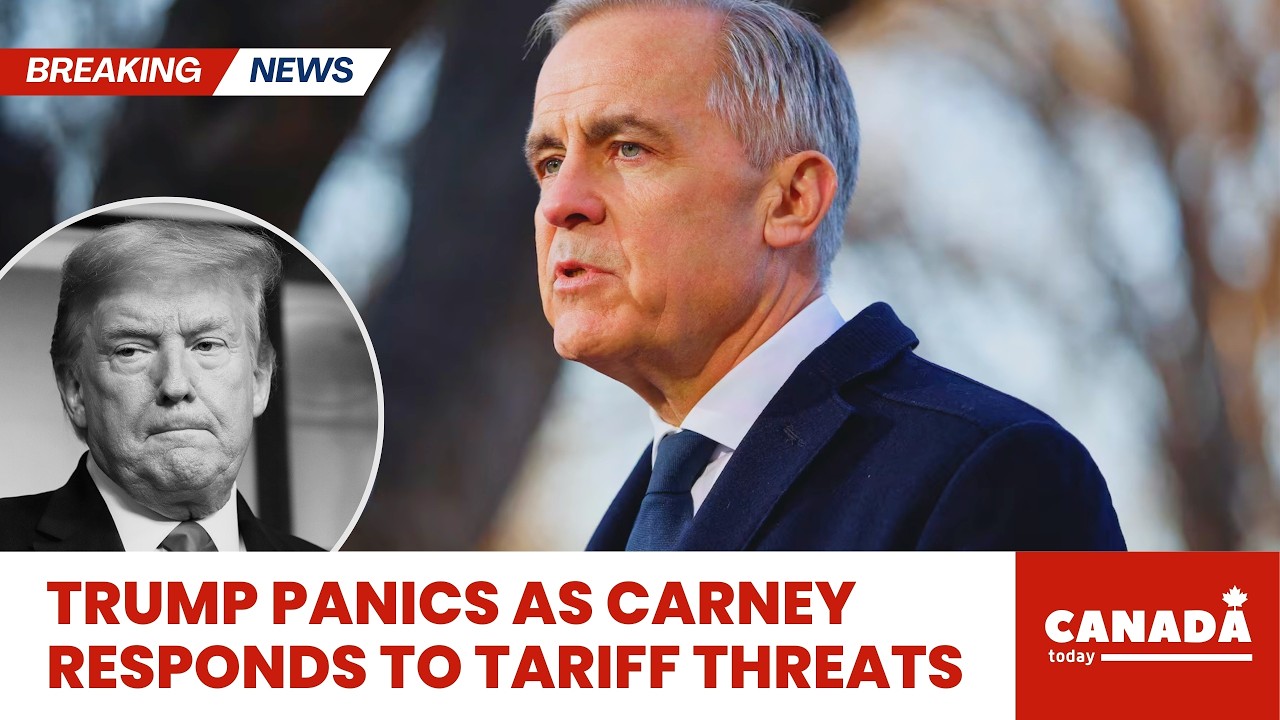
Despite online claims to the contrary, there is no comprehensive free-trade agreement between Canada and China. Officials in Ottawa have described recent talks as limited and preliminary, aimed at restoring pre-tariff conditions for specific products—such as canola—while maintaining restrictions in sensitive sectors like electric vehicles. The arrangement mirrors a reality familiar to Washington itself: the United States has repeatedly negotiated targeted tariff reductions with Beijing while keeping broader controls in place.
That nuance was largely absent from the president’s warning. Economists and trade lawyers noted that a 100 percent tariff across the board would violate the spirit, if not the letter, of existing North American trade rules and invite swift retaliation—against U.S. exporters deeply integrated with Canadian supply chains.
Panic or posture?
Supporters of the administration described the post as a negotiating tactic—maximalist rhetoric intended to deter transshipment and protect U.S. manufacturers. Critics saw something else: a president reacting to a loss of narrative control.
Canada has spent the past several years broadening its trade footprint, expanding ties in Europe and the Indo-Pacific and investing in domestic capacity. That strategy reduces vulnerability to any single market. In that context, tariffs threaten pain but no longer promise submission.
“The leverage only works if the other side has nowhere else to go,” said one former U.S. trade official, speaking on background. “Canada does.”
The title that mattered
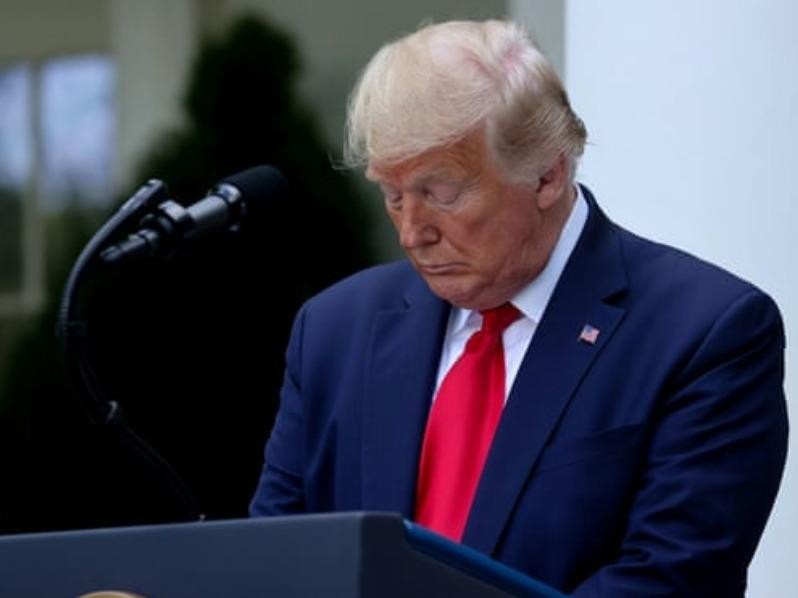
Perhaps the most telling line in Mr. Trump’s post was not about tariffs or China, but about status. He referred to Mr. Carney as a “governor,” echoing language he previously used toward Canada’s former prime minister when musing about the country becoming a U.S. state. Diplomats read the slight as deliberate—and revealing.
“When leaders shift from arguing policy to diminishing titles, it’s usually a sign they don’t have a counterargument,” said a European official familiar with Davos discussions.
Ottawa’s answer: build, don’t blink
Canada’s response was notably restrained. Rather than a press conference rebuttal, Mr. Carney released a short video message emphasizing a “Buy Canadian” push—investing in domestic industry, housing, infrastructure and defense procurement. The message focused on resilience, not retaliation: build at home, reduce exposure, and let diversification do the work tariffs once did.
Timing mattered. The video arrived within hours of Mr. Trump’s warning, but its tone avoided escalation. It framed economic sovereignty as a choice Canadians could make regardless of external pressure.
Markets and allies take note
Financial markets largely shrugged off the tariff threat, treating it as conditional rhetoric rather than imminent policy. Allies, however, took careful note. European and Asian officials privately welcomed Mr. Carney’s Davos remarks, seeing in them a call to coordinate against unilateral pressure.
That response underscores a broader shift. Tariffs remain powerful, but their effectiveness depends on credibility and consistency. When threats oscillate—praised one day, condemned the next—they lose their bite.
The larger lesson
The confrontation illuminates a paradox of modern trade politics. Coercion can compel in the short term, but it accelerates the very diversification that weakens future leverage. Canada’s strategy—quietly expanding options—did not provoke a measured policy response. It provoked a public warning.
In that sense, the episode may say more about Washington than Ottawa. A tariff threat intended to intimidate instead advertised anxiety: about competition, about influence, about a world in which allies no longer accept pressure as the price of partnership.
Mr. Carney’s Davos message was not defiant. It was descriptive. The old order, he argued, is giving way to something more distributed. The reaction it triggered suggests he struck a nerve.
What happens next will matter less than how it happens. If Washington pursues formal talks, the warning will fade as a moment of bluster. If it escalates, it risks confirming the point made in Davos—that power wielded without consent invites alternatives.
For now, Canada is not backing down, markets are not panicking, and the tariff threat hangs in the air—loud, conditional, and revealing.