Supreme Court Hearings on Presidential Power Spark Confusion Amid Viral Claims
As the Supreme Court hears arguments on the scope of presidential authority, particularly regarding emergency powers and the removal of independent agency officials, a wave of viral headlines has created widespread confusion about what is actually at stake. Online narratives have portrayed the proceedings as an existential threat to former President Donald Trump’s political future, suggesting judicial efforts to remove him from office. The reality, however, is far less dramatic—and far more procedural.
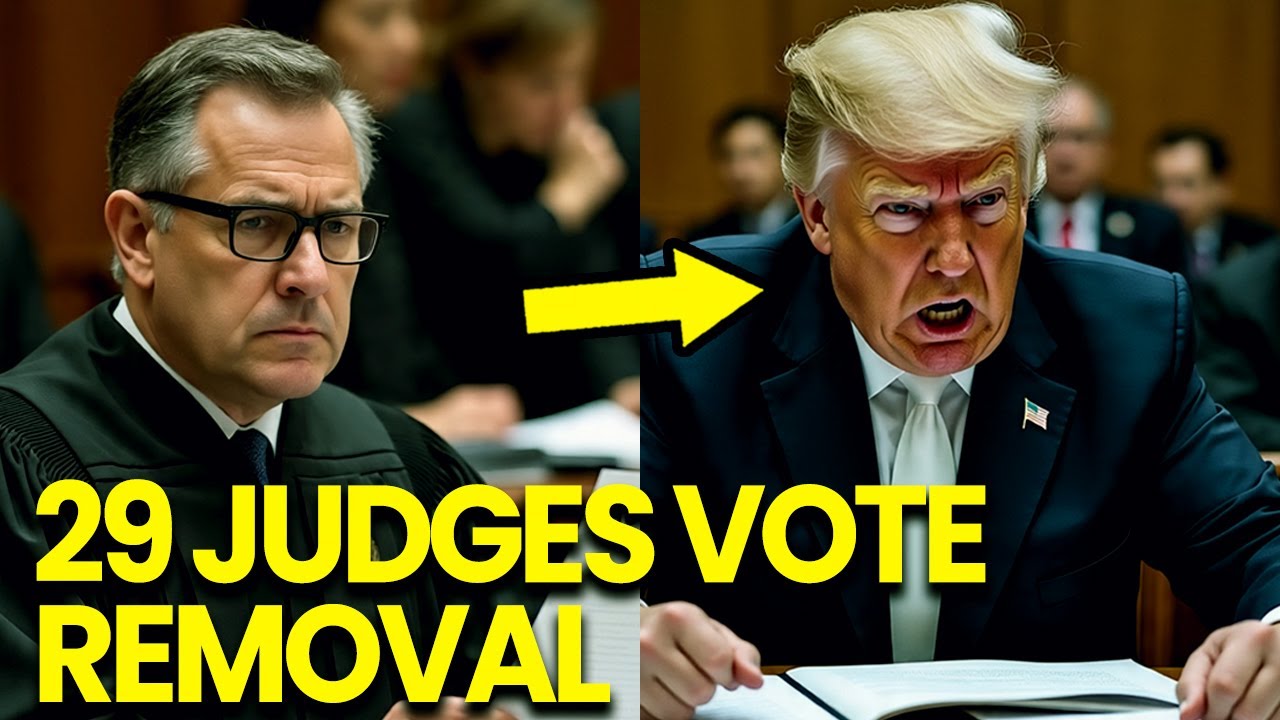
At the center of the current debate are two distinct legal developments that have been conflated in social media coverage. The first involves Supreme Court cases examining whether the president has the authority to dismiss leaders of independent federal agencies, such as the Federal Trade Commission and the Federal Reserve, without cause. The second concerns a series of lower court rulings that have blocked specific Trump administration policies, including one immigration policy that was rejected by 29 federal judges.
The Supreme Court case, often framed as a rebuke of Trump, was in fact initiated by the former president’s legal team. Trump argues that restrictions preventing him from firing certain agency heads violate the Constitution’s vesting of executive power in the presidency. A ruling in his favor would significantly expand presidential control over agencies designed to operate independently of political influence—a change that would affect future administrations regardless of party.
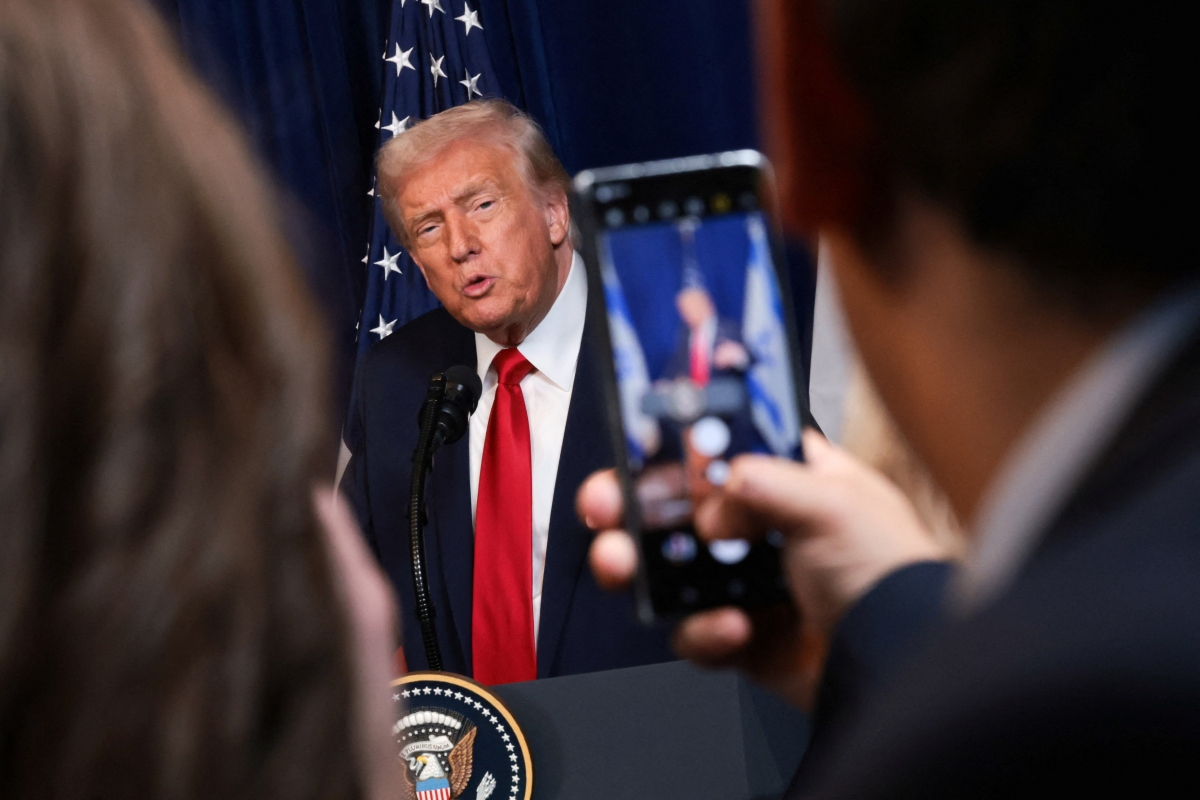
Legal scholars note that this question has deep roots in constitutional law, dating back to precedents established in the 1930s. While the implications are substantial, the case is not a referendum on Trump himself. Instead, it reflects a broader and longstanding debate over the balance of power between the executive branch and the administrative state.
The second strand of the viral narrative stems from lower court decisions blocking a Trump administration policy that sought mandatory detention for certain categories of immigrants. In those cases, judges ruled that the policy violated due process protections by failing to provide individualized assessments. Such rulings are not unusual. Every modern presidency has faced thousands of legal challenges, many of which result in courts limiting executive action.
Yet online commentary has merged these unrelated developments into a single storyline, implying a coordinated judicial effort to undermine Trump’s presidency. Headlines referencing “29 judges voting for removal” have proven particularly misleading, as no judge has ruled on Trump’s removal from office. The decisions in question addressed the legality of a specific policy, not the legitimacy of the presidency itself.
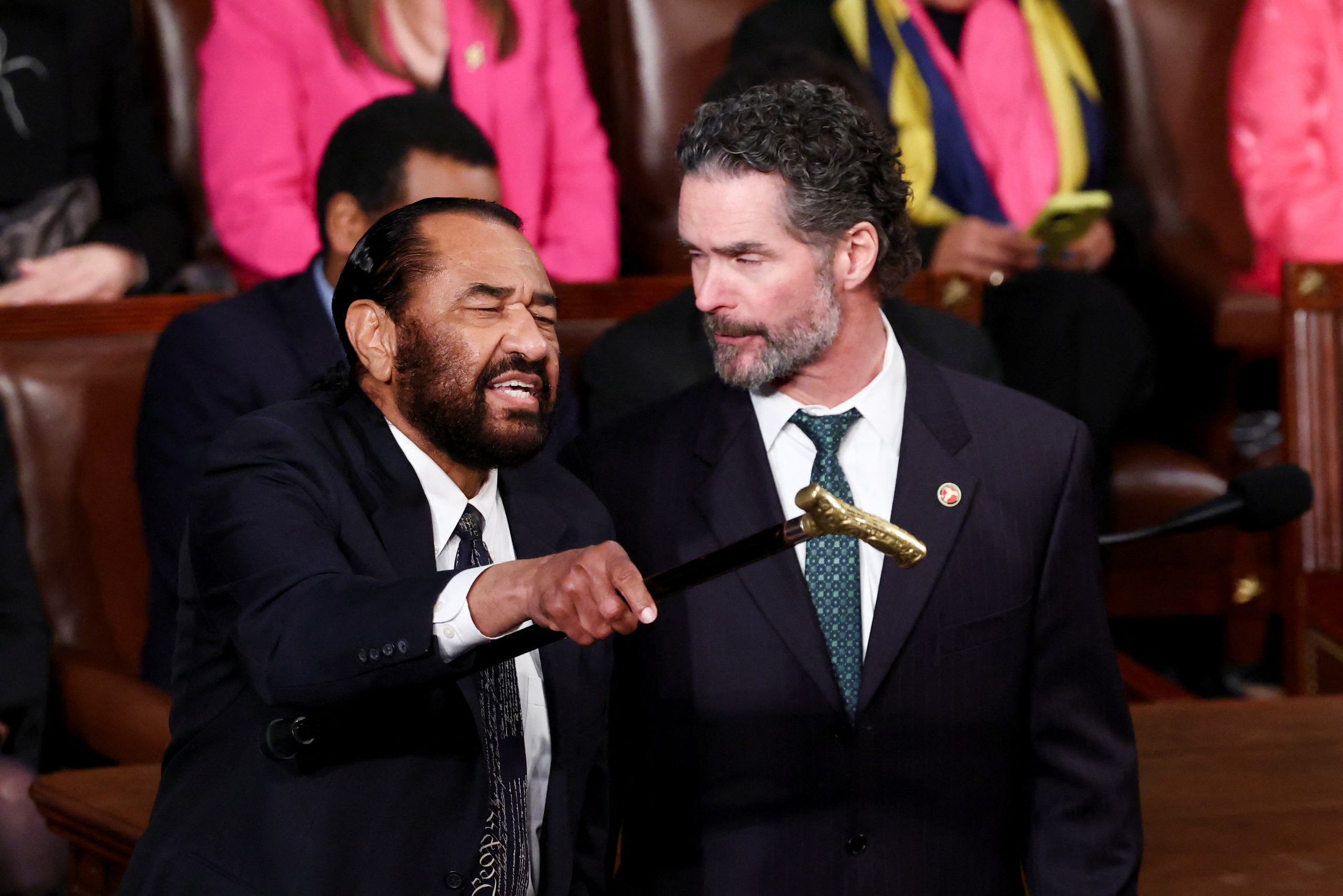
Further complicating public understanding are references to impeachment articles filed earlier in 2025 by a small group of lawmakers. Those measures did not advance beyond initial filing and lacked the support necessary to proceed. Still, their mention alongside court rulings has added to the impression of an escalating constitutional crisis.
Legal experts emphasize that what is unfolding is the judiciary functioning as intended: reviewing executive actions, interpreting statutory authority, and enforcing constitutional limits. Whether one supports or opposes Trump’s policies, the processes now underway are neither unprecedented nor extraordinary.
As the Supreme Court deliberates, its eventual decision will shape the contours of executive power long after Trump leaves the political stage. The true significance of the case lies not in viral speculation, but in its potential to redefine how much authority future presidents may wield—an outcome that will resonate far beyond the current news cycle.