Conservative Media Rallies Behind Trump After Supreme Court Limits Tariff Authority
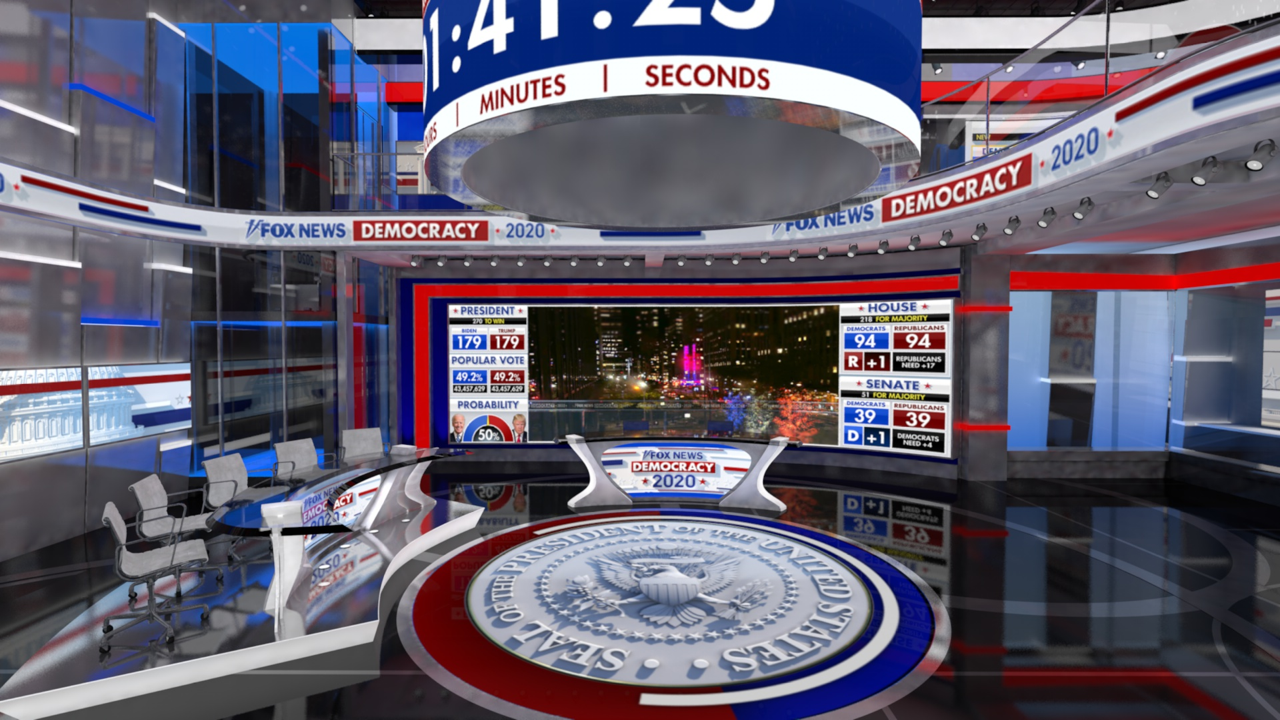

WASHINGTON — Conservative media figures moved swiftly to defend President Donald Trump after the Supreme Court of the United States ruled that the administration exceeded its authority in imposing sweeping global tariffs under emergency powers.
On Fox News programs, hosts and administration officials criticized the ruling while simultaneously arguing that the president retains alternative statutory authority to pursue trade measures. The decision, issued in a 6–3 vote, held that the 1977 International Emergency Economic Powers Act (IEEPA) does not authorize the broad tariff structure the administration attempted to implement.
Administration Signals Alternate Legal Pathways


Appearing on Fox News, U.S. Trade Representative Jamieson Greer defended the administration’s use of IEEPA, saying it allowed the president to “move quickly” in response to what he described as trade imbalances.
Treasury Secretary Scott Bessent and other officials emphasized that the ruling does not eliminate the president’s ability to impose tariffs under separate trade statutes, including Sections 232 and 301 of existing trade law. Legal scholars note that those provisions require more structured procedures and specific findings.
Debate Over Economic Impact

On air, senior White House adviser Stephen Miller argued that the tariff strategy had strengthened domestic manufacturing and lowered inflation. Independent economic data show a more mixed picture: recent government reports indicate inflation running above 3 percent, while fourth-quarter GDP growth was reported at 1.4 percent.
Economists remain divided on the long-term effects of tariffs. Supporters say they can protect strategic industries and encourage domestic investment. Critics argue that tariffs function as taxes on imports that may increase consumer prices and invite retaliatory measures from trading partners.
Refund Questions and Legal Implications

The ruling raises questions about whether importers could seek refunds for duties collected under the invalidated framework. Several small businesses that challenged the tariffs in court have indicated they intend to pursue reimbursement.
Legal experts caution that any refund process would likely involve administrative review or litigation and could take months or years to resolve. The administration has not announced a formal refund mechanism.
Fox Hosts Frame Decision as Political Opportunity


Fox News host Jesse Watters suggested the ruling could provide a political opportunity if refunds were distributed before midterm elections. Other commentators, including Greg Gutfeld, criticized opponents of the tariff policy and predicted the administration would quickly adapt its approach.
Supporters of the administration argue that courts have historically constrained presidents of both parties but that trade authority remains robust under alternative legal tools.
Democratic Response

Democratic lawmakers welcomed the decision, arguing that the Constitution grants Congress the authority to levy taxes and duties. Senator Amy Klobuchar said the ruling reinforces congressional power over taxation and trade.
She also emphasized that economic stability depends on predictable policy and adherence to statutory limits.
Broader Trade Realignment
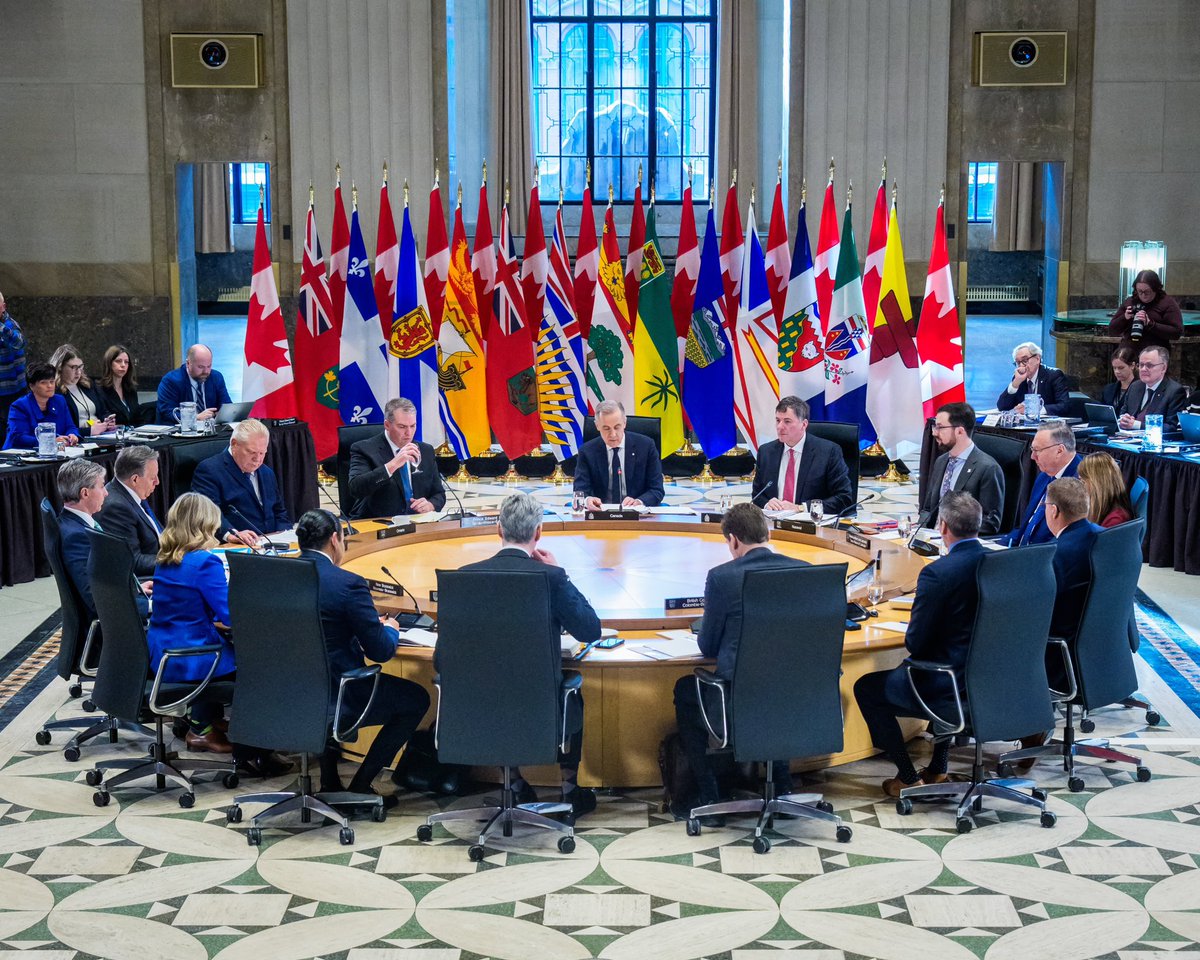
The global reaction to U.S. trade policy continues to evolve. In recent months, countries in the European Union and Asia have accelerated bilateral trade talks. The BRICS bloc has expanded discussions on currency coordination and supply chain partnerships.
Analysts say heightened tariff uncertainty may encourage some nations to diversify trade relationships, though the United States remains one of the world’s largest consumer markets.
A Legal and Political Crossroads

The Supreme Court’s ruling does not end the administration’s trade agenda, but it narrows one pathway. The president retains tools under existing trade laws, though those measures typically involve investigations and procedural safeguards.
As both parties prepare for the next election cycle, the debate over tariffs has become not only a legal contest over executive power, but also a referendum on economic strategy. Whether voters see tariffs as protective or punitive may shape the political consequences of the Court’s decision in the months ahead.