House Democrat Moves to Impeach Homeland Security Secretary Kristi Noem, Citing ICE Raids and Minneapolis Shooting
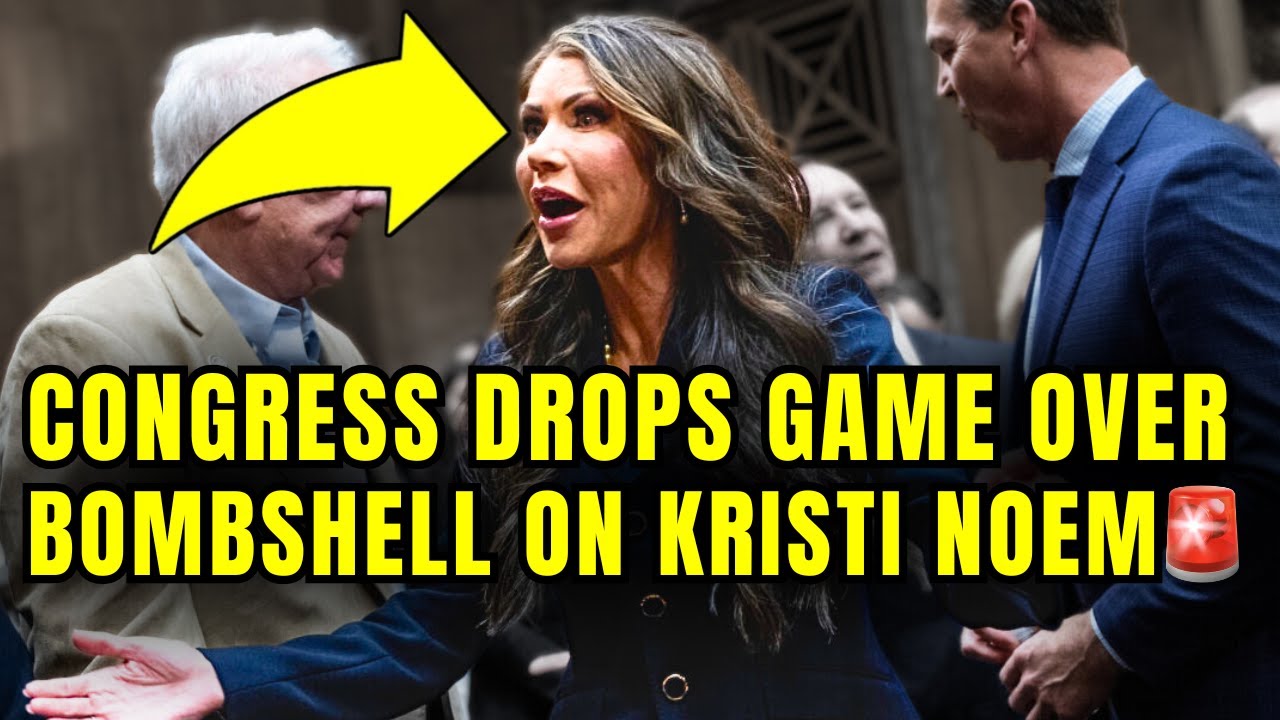
WASHINGTON — A House Democrat announced plans this week to introduce articles of impeachment against Kristi Noem, the Secretary of Homeland Security, accusing her of constitutional violations tied to aggressive immigration enforcement operations and the administration’s response to the fatal shooting of Renee Nicole Good.
The move, led by Representative Robin Kelly, comes amid intensifying scrutiny of Immigration and Customs Enforcement, or Immigration and Customs Enforcement, following a series of highly visible raids and the Minneapolis killing that has prompted protests, congressional inquiries and a widening debate over the limits of federal power in local communities.
Three Articles, Broad Claims
In a speech on the House floor, Ms. Kelly said she would file three articles of impeachment accusing Ms. Noem of obstruction of Congress, violation of public trust and self-dealing. She argued that the department had denied lawmakers access to ICE detention facilities, directed or condoned arrests without warrants and used force against civilians, and steered federal contracts to politically connected firms.
“Secretary Noem has violated the Constitution and must be held accountable,” Ms. Kelly said, describing ICE operations in the Chicago area that she said involved helicopters, forced entries and the detention of both citizens and noncitizens during early-morning raids.
The Department of Homeland Security did not immediately respond to a request for comment. Administration officials have previously defended ICE operations as lawful and necessary, saying agents face dangerous conditions and must act quickly to protect themselves and the public.
Minneapolis at the Center
The impeachment effort is closely tied to the death of Ms. Good, a 37-year-old mother of three who was shot and killed during an encounter with ICE agents in Minneapolis earlier this month. Within hours of the shooting, the department described the incident as a self-defense action during an enforcement operation and used language that characterized the episode as “domestic terrorism.”
That swift and definitive framing drew criticism from civil rights advocates, Minnesota officials and some members of Congress, who said conclusions were announced before investigators could fully assess evidence. Video footage circulated online has fueled further questions about how the encounter unfolded.
The department has said its internal review is ongoing. Minnesota officials have urged federal authorities to allow broader state oversight, while Ms. Good’s family has called for an independent investigation.

A Wider Backlash
The Minneapolis case has become a flash point in a broader backlash against ICE tactics. Demonstrations have spread in multiple cities, with protesters accusing the agency of militarizing immigration enforcement and operating with insufficient transparency.
The controversy has also drawn commentary from outside traditional political circles. On his widely followed podcast, Joe Rogan criticized the practice of ICE agents wearing face coverings during operations, arguing that anonymity undermines public trust and could enable criminals to impersonate federal officers.
“If you’re arrested by a police officer, you can ask for a name and badge number,” Mr. Rogan said. “If you’re arrested by someone masked who says they’re ICE, that’s a problem.”
His remarks, shared widely on social media, underscored how the debate has reached audiences beyond the usual partisan lines.
Chicago Operations Under Fire
Representative Kelly focused much of her speech on Chicago-area raids she said were conducted under an operation she referred to as “Operation Midway Blitz.” She described agents descending from helicopters and forcing entry into apartment buildings in predominantly Black and Latino neighborhoods, leaving what she said was extensive property damage while failing to arrest any of the alleged gang members cited as justification for the raids.
Reporting by national and local outlets has documented large-scale ICE actions in the region, though federal officials have disputed claims that agents acted unlawfully or indiscriminately. ICE has said its operations target individuals with criminal records and that any use of force is reviewed.
Still, the optics of militarized raids have unsettled local leaders. Several mayors and governors have complained that federal operations are conducted without notice to local authorities, heightening tensions in cities already wary of aggressive policing.

An Impeachment With Long Odds
Impeaching a cabinet secretary is rare, and the path forward for Ms. Kelly’s effort is uncertain. Even if articles are formally introduced, advancing them would require committee action and majority support in the House — a tall order given the current balance of power and strong Republican backing of the administration’s immigration agenda.
Legal scholars note that impeachment has historically been used sparingly against executive officials, most famously in the case of Secretary of War William Belknap in the 19th century. More recent efforts have typically stalled before reaching a floor vote.
Still, proponents say the measure is intended to force transparency and oversight, even if removal is unlikely. “Impeachment is one of the few tools Congress has to compel answers,” said a former House counsel. “Sometimes the process matters as much as the outcome.”
The Administration’s Defense
President Donald Trump and his allies have defended Ms. Noem and ICE, portraying criticism as politically motivated attacks on law enforcement. The White House has repeatedly emphasized a hard-line approach to immigration enforcement as central to its domestic agenda.
In interviews, administration officials have argued that officers are being unfairly vilified and that public officials who oppose ICE are undermining public safety. They have also pointed to rising threats against federal agents as justification for protective measures such as masks and unmarked vehicles.

A Debate Over Federal Authority
At its core, the dispute reflects a deeper argument over federal authority, civil liberties and the role of immigration enforcement in American life. Supporters of the administration see ICE as a necessary tool for enforcing the law in the face of what they describe as local resistance. Critics argue that the agency has drifted toward a quasi-military posture that erodes constitutional protections and community trust.
The impeachment effort against Ms. Noem is unlikely to resolve that divide. But it signals how the political cost of immigration enforcement has risen sharply following the Minneapolis shooting — and how events on the ground, amplified by viral video and influential voices online, can quickly reshape the national conversation.
For now, Ms. Noem remains in office, and ICE operations continue. Whether the impeachment articles gain traction or not, the controversy has ensured that questions about oversight, transparency and accountability at the Department of Homeland Security will remain in the spotlight in the weeks ahead.