Trump Threatens to Block U.S.-Canada Bridge, Escalating Trade Tensions
As the long-anticipated opening of the Gordie Howe International Bridge approaches, a new dispute between the United States and Canada has thrust the $4.7 billion infrastructure project into the center of a widening trade conflict.
President Donald Trump said this week that he would not allow the bridge — which spans the Detroit River between Windsor, Ontario, and Detroit — to open unless the United States receives what he called “full compensation” and greater control over the crossing. In a post on Truth Social, Mr. Trump asserted that the bridge had been constructed with “virtually no U.S. content” and suggested that the United States should own “perhaps at least 1/2 of this asset,” citing the expected revenues generated by American commerce.
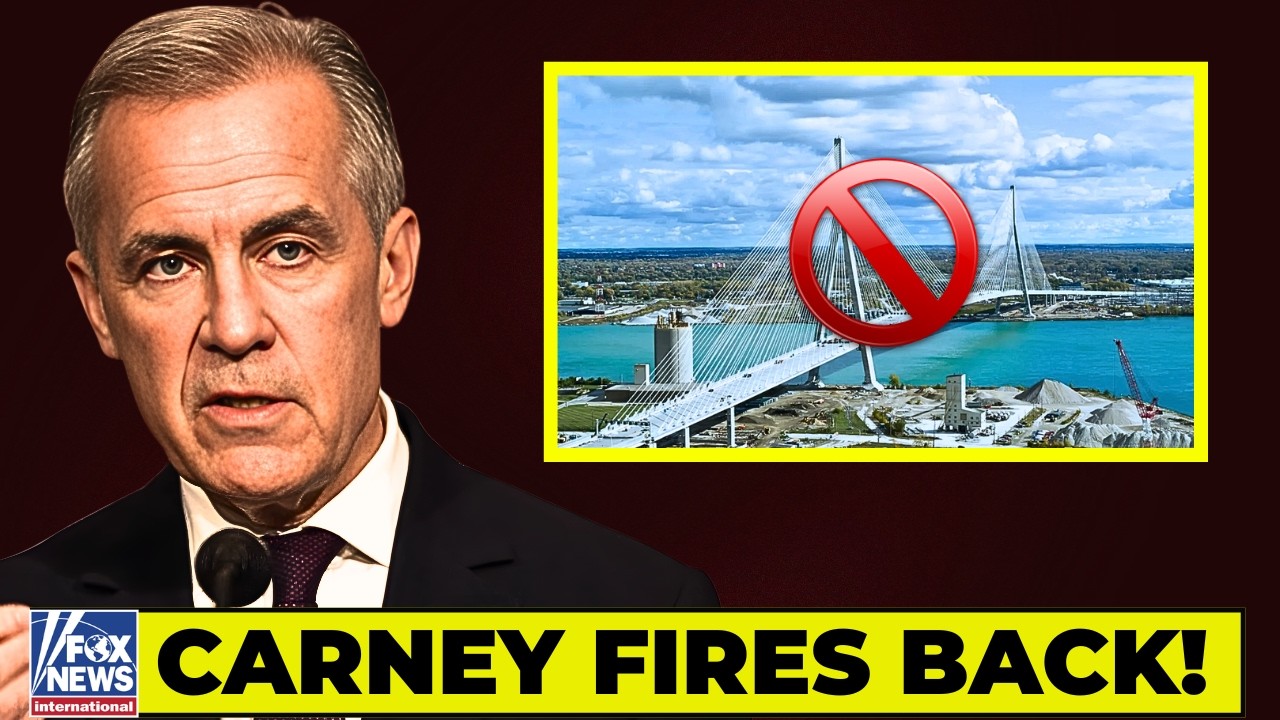
The remarks were met with swift and measured rebuttal from Prime Minister Mark Carney, who described the project as a model of cross-border cooperation and dismissed the president’s claims as inconsistent with the facts.
“Canada of course paid for the construction of the bridge — over $4 billion,” Mr. Carney told reporters in Ottawa before a cabinet meeting. “The ownership is shared between the State of Michigan and the Government of Canada. And in the construction of the bridge, obviously there is Canadian steel, Canadian workers, but also U.S. steel and U.S. workers that were involved. This is a great example of cooperation between our countries.”
The Gordie Howe International Bridge, under construction since 2018 and scheduled to open in 2026, is intended to relieve congestion at the nearby Ambassador Bridge, currently the busiest commercial land border crossing between the two nations. The corridor handles billions of dollars in trade annually, serving as a critical artery for automotive manufacturing, agriculture, and consumer goods.
Under a 2012 crossing agreement between Canada and Michigan, Canada financed the full upfront cost of construction. The bridge is jointly owned by the two governments, and Canada expects to recover its investment through toll revenues. Once construction costs are recouped, Michigan will be eligible to receive 50 percent of net toll proceeds — a detail Canadian officials say has been overlooked in recent statements from Washington.
Doug Ford, the premier of Ontario, also sought to correct the record. Roughly 75 percent of the steel and concrete used in the main span was Canadian, he said, reflecting Canada’s financing role. The Michigan-side interchange, however, was built entirely with American labor and materials. “There is fiction, and then there are the true facts that people can look up,” Mr. Ford said, adding that he was confident the bridge would open as planned.
The White House has signaled that the president’s concerns extend beyond construction materials. Press Secretary Karoline Leavitt said Tuesday that it was “unacceptable” for Canada to control what crosses the bridge and to own land on both sides of the span. A senior administration official, speaking on background, said Mr. Trump believes the United States should have shared authority over the crossing and a larger stake in the economic benefits it will generate.
The dispute marks a notable shift from Mr. Trump’s first term. In a 2017 joint statement with then–Prime Minister Justin Trudeau, Mr. Trump welcomed the bridge’s “expeditious completion,” calling it a vital economic link. Former Canadian lawmaker Jeff Watson, who represented part of the Windsor region, noted the contrast. “Trump 1.0 had no issue with the arrangement and wanted construction expedited,” he said. “Now it’s being used as leverage in a broader trade fight.”
That broader context has intensified the confrontation. Trade negotiations between the two countries have been strained for months, with disagreements over dairy tariffs, Ontario’s retaliatory measures affecting certain American alcohol sales, and Canada’s exploratory trade discussions with China. The United States-Mexico-Canada Agreement is also due for mandatory review this year, adding to the diplomatic complexity.
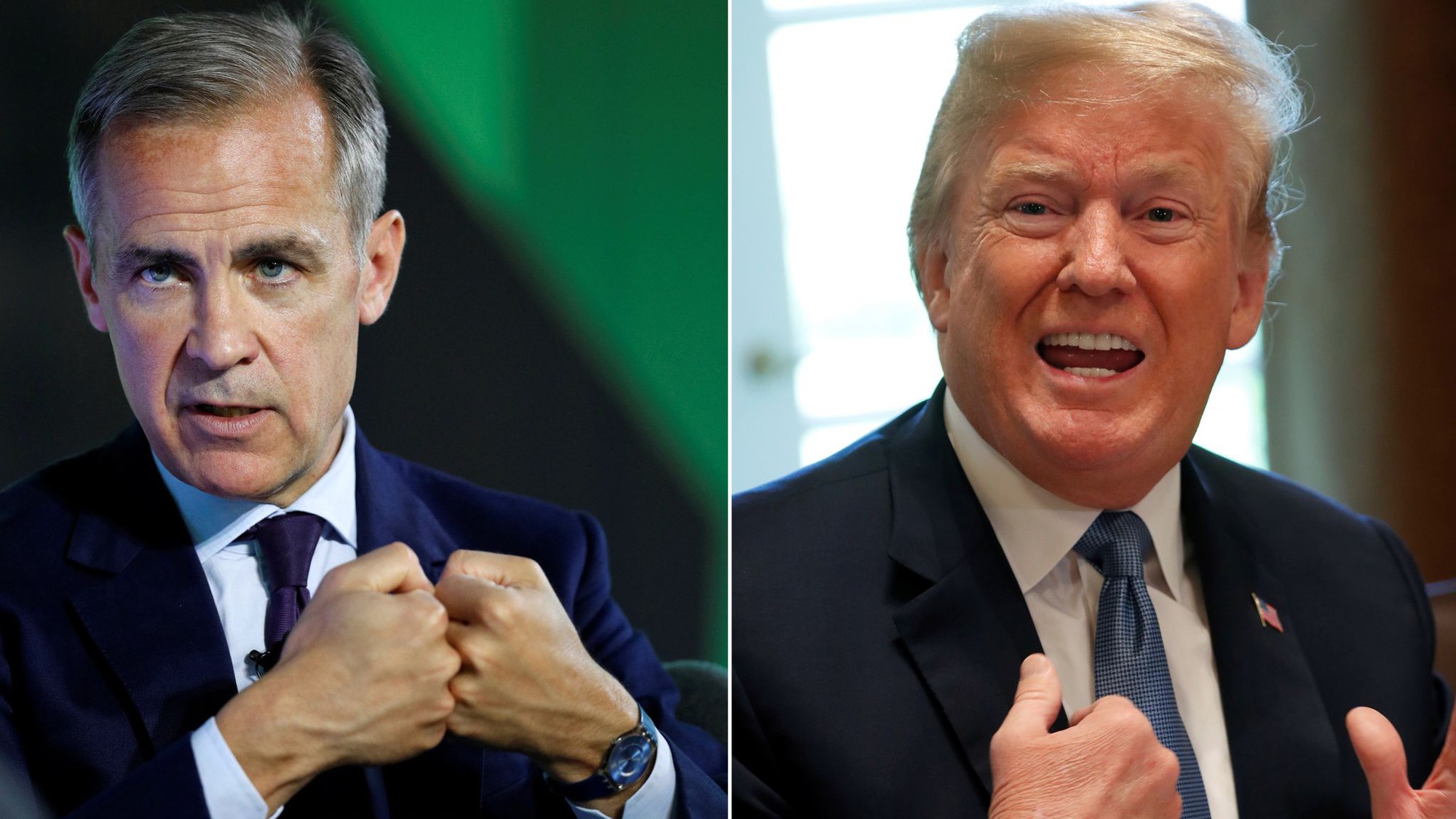
Business leaders in Michigan have expressed alarm at the prospect of delay. The Detroit Regional Chamber described the bridge as the most consequential infrastructure project in the region in decades. Windsor’s mayor, Drew Dilkens, said the bridge is fully constructed and integrated into interstate highway systems on both sides of the border, making a blockade both impractical and economically damaging.
Further questions arose after The New York Times reported that Matt Moroun, whose family owns the Ambassador Bridge, met with Commerce Secretary Howard Lutnick shortly before Mr. Trump’s post. The Moroun family has long opposed the new crossing, which will introduce competition to their privately owned span. Neither the Commerce Department nor the Ambassador Bridge Company commented on the reported meeting.
For now, Mr. Carney has struck a tone of cautious optimism. He described his recent call with Mr. Trump as “positive” and said discussions would continue, including through the American ambassador to Canada. “It is in the best interests of both economies,” he said, emphasizing the commerce, tourism and cross-border travel the bridge is designed to facilitate.
Whether the dispute subsides or deepens may depend less on the engineering already completed than on the political calculations still unfolding in Washington. The bridge, conceived as a symbol of binational cooperation, now stands as a test of it.