Canada’s Bold Pivot to China Upends Trade Norms and Challenges U.S. Policy
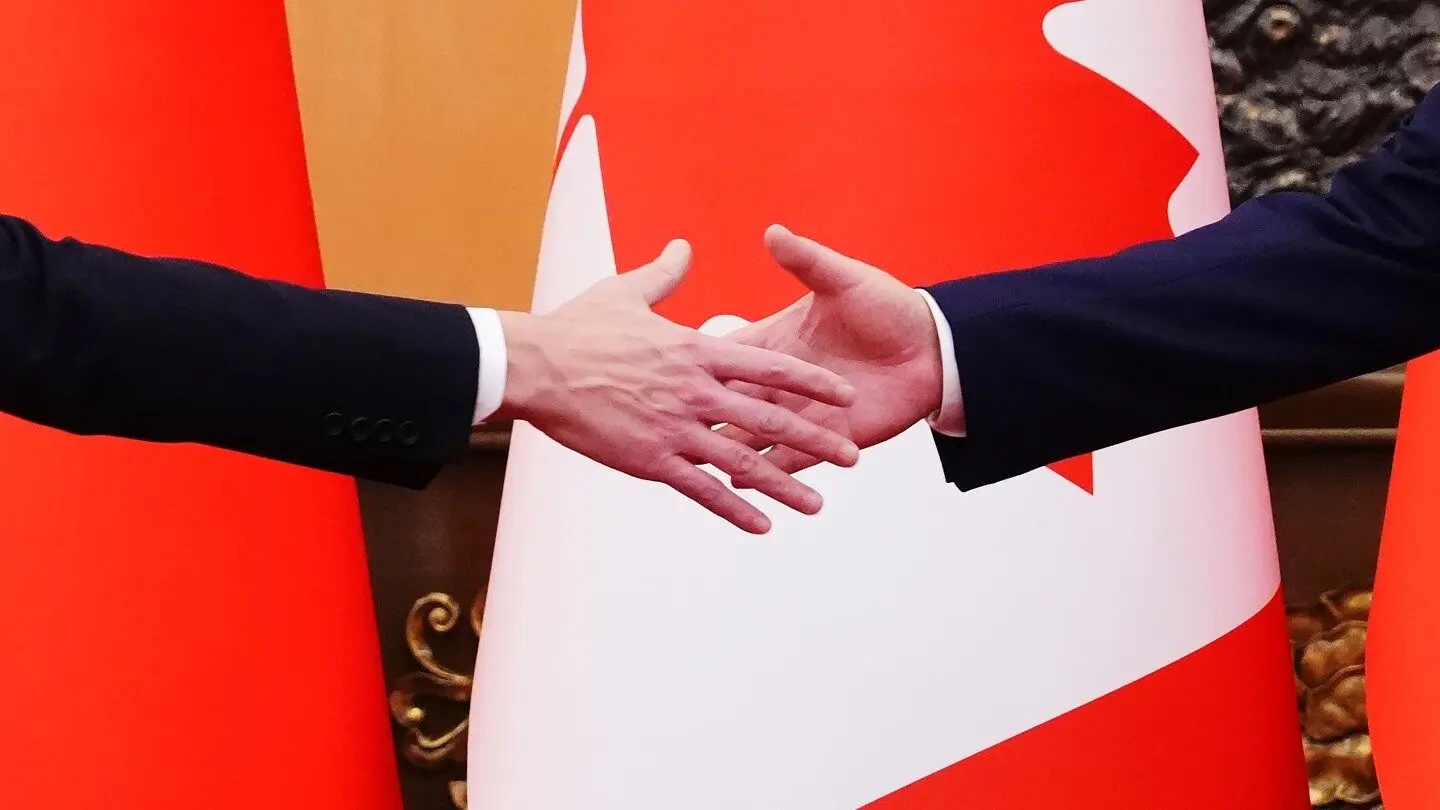
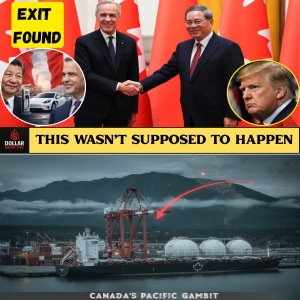
BEIJING — In a far-reaching diplomatic and economic move, Canada has struck a strategic trade agreement with China that recalibrates the terms of their already complex relationship — and challenges entrenched assumptions about North American alignment under U.S. pressure.
On Friday, Canadian Prime Minister Mark Carney announced the first major reset of Canada–China ties in nearly a decade, unveiling a package of measures that include steep reductions in tariffs on Chinese electric vehicles (EVs), a dramatic rollback of Beijing’s punitive tariffs on Canadian agricultural exports, and agreements to expand bilateral people-to-people ties — including visa-free travel for Canadian citizens to China. The announcement caps Carney’s three-day visit to Beijing and marks a substantive attempt to diversify Canada’s trade beyond its dominant reliance on the United States. (Thủ tướng Canada)
“This is not just rhetoric; this is a new alignment of economic priorities,” a senior Canadian trade official told reporters. “We are pursuing diversification, and we are doing so on pragmatic terms.”
Yet Washington — which has wielded trade policy as geopolitical leverage — has responded with skepticism, framing the deal as potentially destabilizing to U.S. interests.
A Reset With Consequences
At the heart of the emerging partnership is an immediate reduction of Canada’s 100 percent tariff on imported Chinese electric vehicles to 6.1 percent, applied to a capped quota of 49,000 vehicles annually — a level roughly equivalent to pre-trade-friction norms. China, in turn, has agreed to slash its cumulative tariff on Canadian canola seed from approximately 85 percent down to about 15 percent by March 1, 2026. Beijing also suspended related anti-discrimination duties on Canadian canola meal, lobsters, crabs, and peas for the remainder of the year. (AP News)
The EV concession is significant in both economic and symbolic terms. Chinese manufacturers such as BYD, Geely, and others are among the world’s fastest-growing producers of affordable EVs — models often priced far below comparable vehicles made elsewhere. Canada’s move will reintegrate those vehicles into its market after a period of near-exclusion under punitive tariffs imposed in late 2024 in alignment with U.S. policy. (Wikipedia)
Carney framed the policy shift as a long-term strategic investment: he suggested that Chinese companies are expected to invest in EV manufacturing capacity within Canada, creating jobs and strengthening local supply chains, rather than simply exporting finished vehicles. Ottawa is targeting a scenario in which more than half of these imported EVs will be priced below $35,000 within five years, a price point that could significantly influence adoption rates in Canada’s nascent EV market. (Thủ tướng Canada)
For Canadian farmers in the Prairie provinces, the reduction of canola tariffs represents one of the most consequential developments of the visit. China is a multi-billion-dollar market for Canadian rapeseed products, and the prior tariff regime had effectively shut that market down, inflicting serious financial pain on producers. The rollback is expected to unlock billions in new orders upon re-entry, providing crucial relief after years of tariff-induced decline. (Thủ tướng Canada)
Visa-Free Travel and Cultural Exchange
Beyond goods, Canada and China agreed to expand visa-free travel for Canadians — a move aimed at boosting tourism, business travel, education exchanges, and cultural engagement. Officials in Ottawa highlighted its potential to accelerate people-to-people ties and serve as a foundation for deeper economic and social connectivity. China already granted group travel status to Canada late last year, and the new measures are expected to further normalize mobility. (Thủ tướng Canada)
The visa policy shift signals a diplomatic thaw after years of strained relations — including disputes following the 2018 arrest of Huawei’s CFO in Vancouver and China’s subsequent detention of two Canadian citizens. Media outlets in both countries are portraying the breakthrough as a turning point, albeit one still fraught with underlying security and governance tensions. (The Guardian)
U.S. Reaction and Regional Dynamics
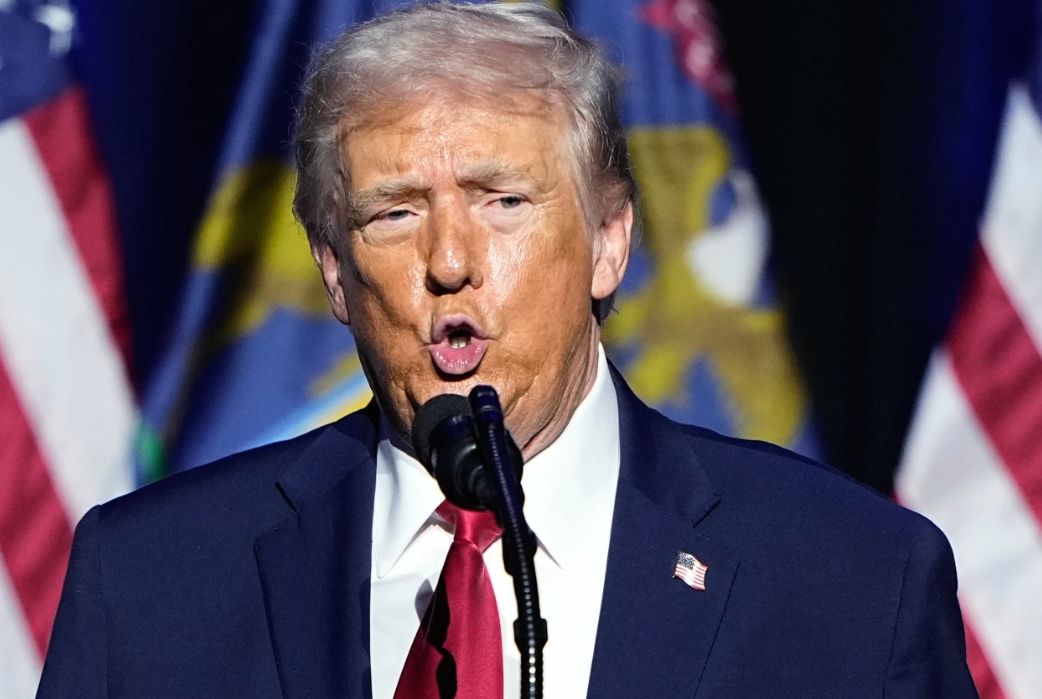
The United States, still Canada’s largest trading partner by far, was quick to comment. A spokesperson for the U.S. Trade Representative described the Canada-China deal as “concerning” and cautioned that diverging trade policies could complicate broader North American economic integration. At the same time, former President Donald Trump, who has repeatedly criticized China and pursued protectionist policies toward both allies and adversaries, acknowledged Canada’s sovereign right to pursue its own agreements. (AP News)
Analysts note the deal emerges against the backdrop of intensifying U.S. trade actions, including tariffs and restrictions aimed at reshaping global supply chains. Under Trump’s approach, allies including Canada were expected to align on coordinated pressure against China; Ottawa’s recent moves underscored a growing reluctance to subordinate national economic interests to that vision. (Wikipedia)
“It’s a clear message,” said an international trade expert in Tokyo. “Canada is signaling that it can chart an independent course when it comes to its largest trading relationships.”
Others warn that the shift could heighten tensions in U.S.–Canada relations, particularly if Canadian markets become major channels for Chinese-made EVs that compete directly with U.S. producers. Canadian political commentators in Ontario have already voiced concern that the new tariff policy might risk domestic jobs if local manufacturing does not keep pace. (AP News)
Domestic Debate at Home
Within Canada, reactions are mixed. Western farm states, long hit by China’s punitive tariffs, broadly welcomed the canola relief. Leaders from provinces like Saskatchewan and Manitoba lauded Ottawa’s willingness to break the logjam and restore market access. Conversely, figures such as Ontario’s Premier have expressed apprehension about the EV component, arguing protective measures are still needed to buttress domestic auto manufacturing. (AP News)
Political scientists point out that Carney’s coalition government — which assumed power partly on a promise to restore stable relations with Beijing — is navigating a delicate chessboard between economic pragmatism and geopolitical alignment. Doubling non-U.S. trade by 2035 is now an articulated strategic goal, and China’s sheer market scale makes it an indispensable partner, whether Washington approves or not. (The Energy Mix)
Implications for Global Trade Governance
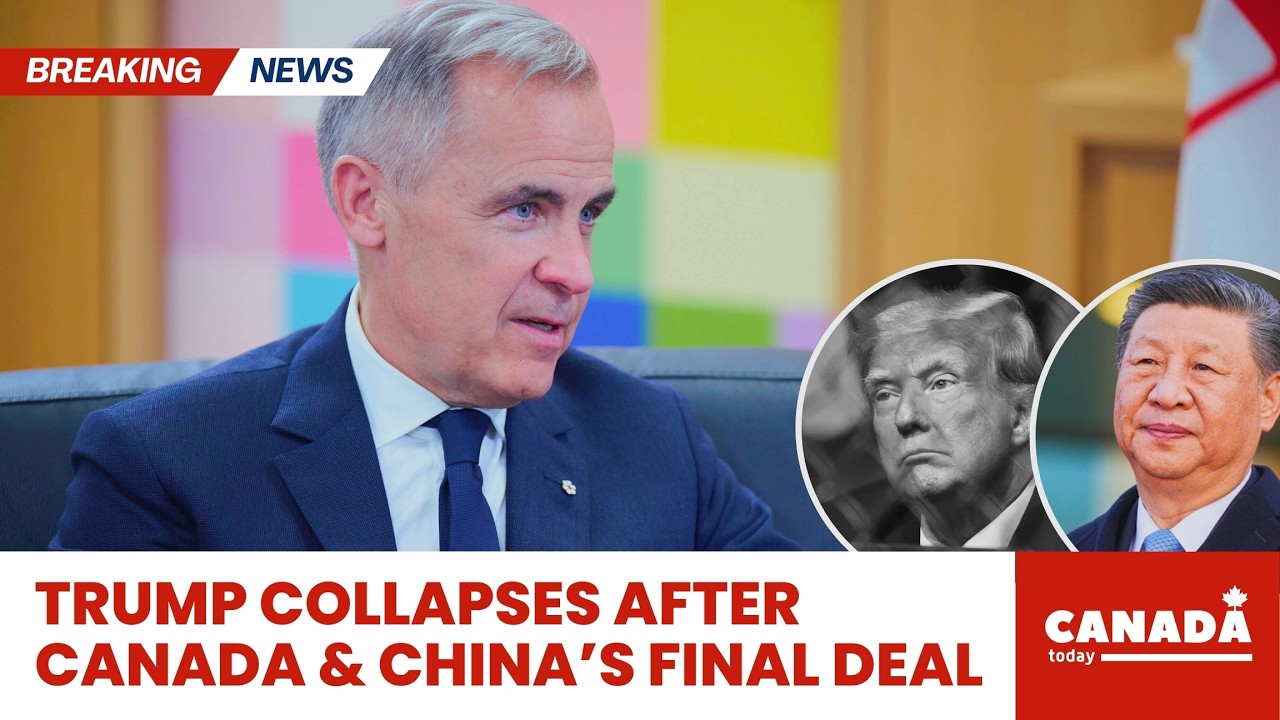
The deal underscores broader shifts in global trade architecture at a time when multilateral frameworks — including the World Trade Organization — face declining influence. Countries previously locked into U.S.-centric supply chains are reevaluating their alignments, not solely for profit, but for geopolitical insurance. For Ottawa, forging ties with Beijing is both a hedge against overdependence on Washington and a bet on China’s long-term economic trajectory.
“A strategically diversified portfolio is not just sound economics,” said a senior Canadian official in Beijing. “It’s national resilience.”
Yet skeptics caution that deepening economic ties with China could complicate cooperation on issues ranging from security to climate standards. Human rights advocates, too, have underscored the moral complexities of closer ties with a government whose governance priorities often clash with Western norms.
A Strategic Earthquake — or Calculated Rebalancing?
Time will tell whether this Canada–China reset proves transformative or simply transactional. For now, it represents a striking chapter in Ottawa’s foreign policy — one that melds economic openness with geopolitical self-assertion, even as it tests the limits of long-standing North American economic integration. As Carney’s government returns home, the central question for Canadians and Washington alike is whether this pivot will yield sustained economic benefit or provoke new tensions in an already fractious trade landscape.