How Trump’s Tariffs Pushed Canada to Look North
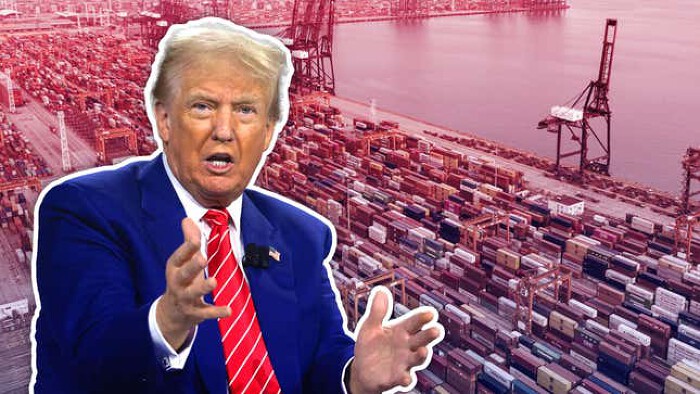
For decades, Canadian agriculture has operated under a familiar paradox: it is one of the world’s great food powers, yet deeply dependent on U.S. logistics infrastructure to reach global markets. Wheat, canola, and fertilizer from the Prairie provinces have routinely traveled south before being shipped overseas, moving through American railways, ports, and fee structures. That arrangement was once seen as a cost inefficiency. Today, it is increasingly viewed as a strategic vulnerability.
That reassessment accelerated as President Donald Trump, now in office, renewed threats of “severe” tariffs on Canadian agricultural products, including potential rates as high as 25 percent on grain and mounting pressure on fertilizer exports. For Canadian farmers—particularly in Saskatchewan and Alberta—the message was unmistakable: supply chains that run through the United States are no longer politically neutral.
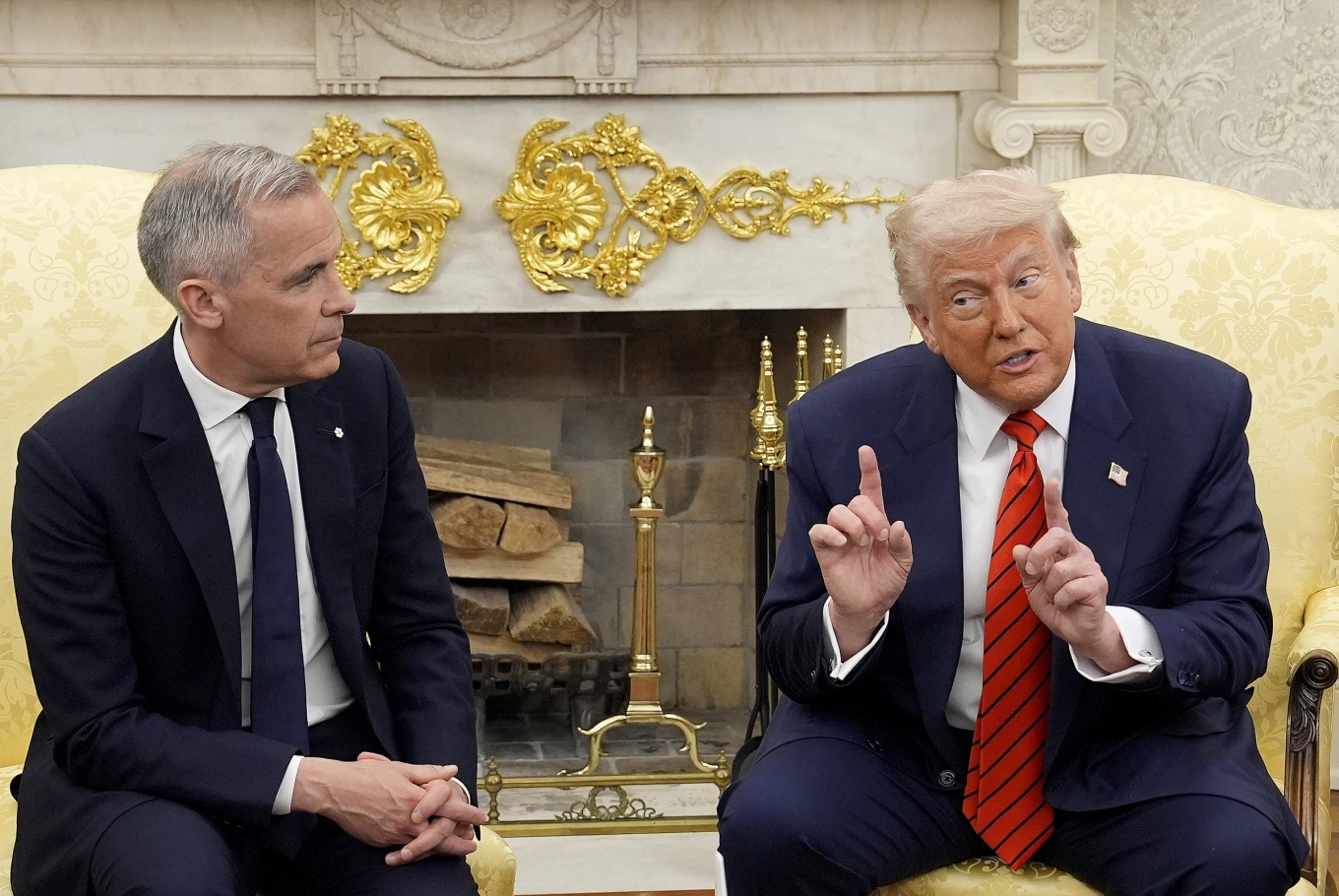
The moment that altered the conversation did not come from Washington, a crowded port, or a corporate boardroom. It came from a blunt question posed in March 2025. Mark Carney asked why Canadian fertilizer was still moving through American ports when a shorter, cheaper route to Europe had long existed. He questioned why Saskatchewan farmers were paying U.S. logistics companies while a Canadian Arctic port remained idle.
The question struck a nerve because it exposed a reality long accepted as inevitable: control over Canada’s agricultural backbone had quietly slipped away.
A Food Superpower Operating Like a Dependent
Canada is not a marginal player in the global food system. It is the world’s largest exporter of potash, accounting for roughly 32 percent of global production and more than 40 percent of exports, with an estimated 1.1 billion tons still in the ground. Potash is essential to modern fertilizer; without it, global crop yields would fall sharply. Fertilizers derived from Canadian potash support food production for nearly half of the world’s population.
Grain tells a similar story at a different scale. Canada exports approximately 27 to 28 million tons of wheat each year, generating more than $11 billion in revenue and supplying over 80 countries. It is a global leader in high-quality, high-protein wheat, prized for consistency and performance. Add canola, barley, oats, lentils, peas, and other specialty crops, and Canada’s agricultural exports exceeded $99 billion in 2023, with projected annual growth of about 3.5 percent.
Yet the routes that move this output to market reflect weakness rather than strength. Most western grain passes through Vancouver, a port increasingly strained by congestion and rising costs. Much of the remainder flows south into American rail networks and ports before continuing overseas. Fertilizer from Saskatchewan follows similar paths. At every stage, fees accrue—rail charges, port costs, logistics premiums—feeding profits to U.S. companies that do not grow crops or mine potash.
In stable political times, this was a cost issue. Under the threat of tariffs, it became a sovereignty issue.
The Return of a Forgotten Northern Gateway
A glance at the map reveals an alternative that has existed for nearly a century. The Port of Churchill, on Hudson Bay, is a deep-water Arctic gateway that shortens the route to Europe by thousands of kilometers compared with shipping through Vancouver or U.S. terminals. Built in the 1930s, it was intended to be Canada’s northern export corridor.
Instead, it became a symbol of neglect. Chronic underinvestment, a short shipping season, and limited political backing reduced Churchill to an afterthought. In 1997, the port and its 1,300-kilometer rail line were sold to a U.S. company for one dollar, reflecting how little strategic value policymakers believed it held. When flooding damaged the rail line in 2017, the owner walked away, leaving the port silent and the community effectively cut off.
What once seemed impractical has begun to look rational. Climate change has extended Arctic shipping seasons. Congestion and rising costs at traditional ports have eroded their advantages. And political uncertainty has made reliance on foreign infrastructure increasingly unattractive.
Fertilizer First, Grain Follows
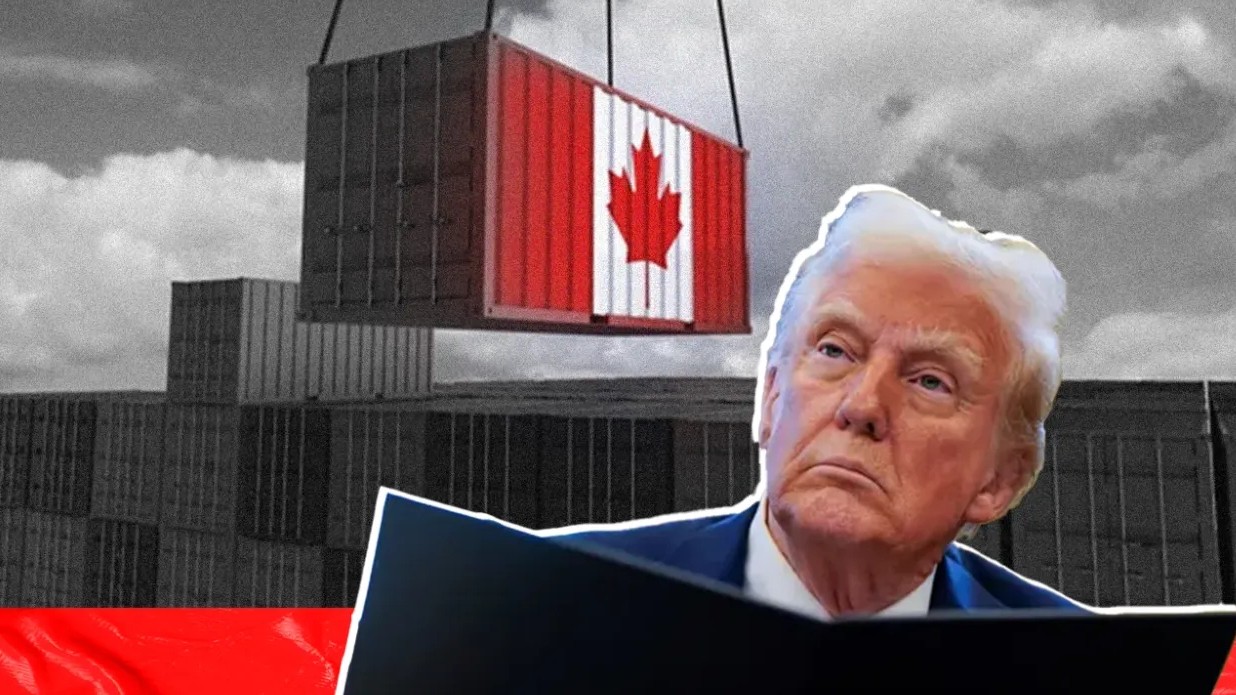
The clearest signal of change came from Genesis Fertilizers, a Saskatchewan-based company developing a large nitrogen fertilizer plant. In 2025, Genesis announced a partnership with Arctic Gateway Group to import phosphate and ammonium sulfate through Churchill and export finished products to Europe along the same route—cutting American infrastructure out of the supply chain entirely.
Genesis plans annual production of roughly one million tons of fertilizer, requiring about 300,000 tons of phosphate. The Hudson Bay route is shorter, less congested, and less exposed to political interference. Once a single company demonstrated that the economics worked, the implications spread quickly.
Grain is the far larger prize. Canada ships nearly 29 million tons of grain annually through Vancouver alone. The Port of Churchill Plus project aims to expand grain handling capacity with new storage, modern loading systems, and increased rail throughput. With icebreaker support, the shipping season could be extended well beyond its traditional limits, potentially toward year-round operations.
For European markets, the benefits are substantial. Routing grain through Churchill cuts roughly six days off the journey compared with Vancouver, lowering costs, reducing spoilage risk, and improving delivery reliability. Crucially, it also removes American involvement. Grain grown by Canadian farmers, moved on Canadian railways, shipped through a Canadian port, and delivered directly to overseas buyers.
A Structural Shift With Strategic Weight
The frequently cited figure of $700 to $800 billion does not represent all of Canadian agriculture. It reflects the projected value of trade that could be redirected through Canadian-controlled infrastructure over the next decade if planned capacity comes online. Potash, grain, fertilizer, critical minerals, and potentially energy exports could all move through the northern corridor.
The United States will remain a major trading partner. But American ports, railways, and logistics firms that have benefited from Canada’s dependence stand to lose a significant share of business—and, more importantly, leverage. Infrastructure shapes behavior, and once supply chains are built around new routes, they are difficult to reverse.
Risks Remain
The rail line to Churchill crosses terrain increasingly affected by melting permafrost, raising maintenance costs and engineering risks. Modernizing a port built in the early 20th century requires hundreds of millions of dollars in investment. Housing and services in a community of fewer than a thousand residents must expand to support growth. Skepticism persists after decades of unrealized promises.
What distinguishes the current moment is alignment. Shipping economics favor shorter routes. Congestion penalizes traditional ports. Arctic access improves each year. Private companies are committing real capital, and the federal government under Mark Carney has pledged $180 million over five years to Churchill’s infrastructure.
Ultimately, this is not just a story about Trump’s tariffs. It is a case study in how political pressure can force a nation to reassess its own infrastructure—and recognize that power in global trade comes not only from what a country produces, but from the routes it controls to bring those goods to the world.