A Fracture on the Right, and a New Flashpoint in the Epstein Files
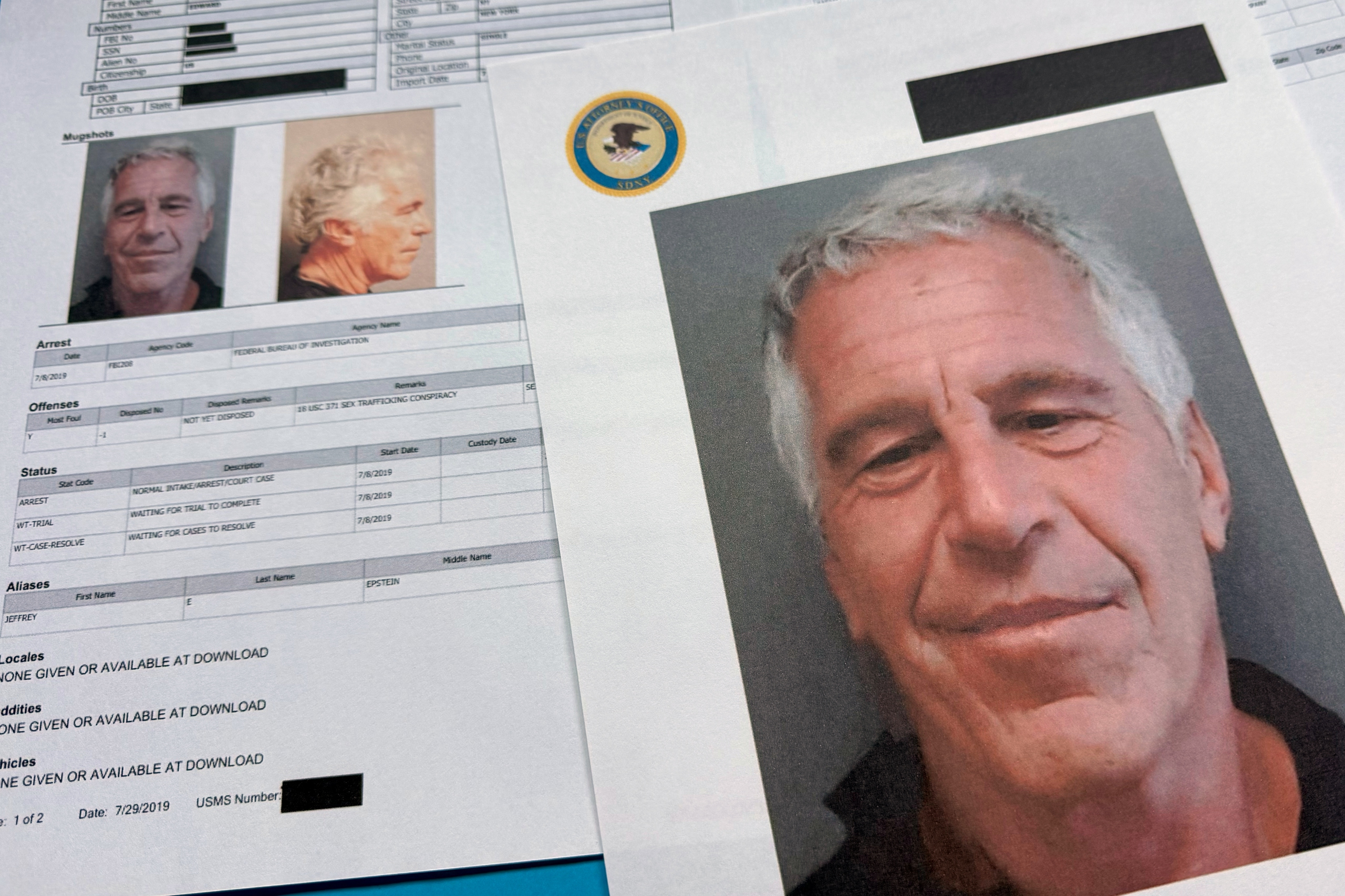
WASHINGTON — Long before the Epstein files became a renewed political weapon, Marjorie Taylor Greene and Donald Trump were already drifting apart. What has changed in recent days is the intensity — and the symbolism — of that rupture, as a new wave of Epstein-related documents, some briefly posted and then removed from a government website before being restored, has ignited a furious intramural fight on the American right.
Ms. Greene, the Georgia Republican who once positioned herself as one of Mr. Trump’s most aggressive defenders in Congress, has emerged as an unlikely antagonist. In a series of posts, interviews, and public statements, she has accused Republican leadership — and implicitly Mr. Trump himself — of obstructing the full release of records connected to Jeffrey Epstein, the financier who died in jail in 2019 while awaiting trial on federal sex-trafficking charges.
“The Epstein files need to come out — all of them,” Ms. Greene said in a recent interview clip circulated widely online. “They are breaking the law.” She added that she had been threatened politically for pressing the issue and said Mr. Trump had warned her that “his friends would get hurt” if the files were fully disclosed.
Those claims, like many now circulating, are difficult to independently verify. But they have intensified scrutiny of how the Epstein records are being released, redacted, and explained — and of who stands to lose if more material becomes public.
Documents, Deletions, and Distrust
The immediate catalyst was a tranche of Epstein-related material posted online by the Justice Department and then removed for several hours before being restored. The temporary disappearance fueled accusations of a cover-up, particularly among right-wing commentators and progressive critics who rarely agree on anything else.
The documents themselves contain a mixture of sworn testimony, second-hand accounts, investigative summaries, and uncorroborated allegations — a category of material that courts and journalists traditionally treat with extreme caution. Several passages include explicit accusations of sexual abuse involving powerful figures, including Mr. Trump, former President Bill Clinton, and other wealthy or politically connected individuals.
Crucially, many of these allegations have not been proven in court, and some are contradicted elsewhere in the same files. Legal experts note that raw investigative material often includes claims that never lead to charges, either because they cannot be substantiated or because they fall outside statutes of limitation.
“This is not evidence in the way people think of evidence,” said a former federal prosecutor familiar with sex-trafficking investigations. “These are allegations, interviews, summaries — not findings.”
Still, the appearance, disappearance, and reappearance of the documents has deepened public mistrust of federal institutions already under attack from multiple directions.
Greene’s Break With Trump

Ms. Greene’s posture is striking because of her political history. She rose to national prominence as a Trump loyalist, echoing his claims of election fraud and attacking his critics with unusual ferocity. Her recent statements mark one of the clearest breaks yet between Mr. Trump and a figure who once amplified his message relentlessly.
In her comments, Ms. Greene framed the Epstein issue not just as a moral reckoning but as a test of Republican credibility. “If the administration doesn’t release it all,” she said, “I can’t imagine why anybody would vote for Republicans.”
She has also suggested, without presenting evidence, that Epstein had ties to intelligence services, including Israeli intelligence — a claim that has circulated for years in online forums but has never been substantiated by official investigations. Intelligence historians caution that such assertions often blend speculation with antisemitic tropes and should be treated carefully.
Trump, Epstein, and What Is Known
Mr. Trump and Mr. Epstein were photographed together in the 1990s and early 2000s, and Mr. Trump has acknowledged knowing him socially. In 2019, Mr. Trump said he had not spoken to Epstein in many years and claimed to have distanced himself after learning of Epstein’s behavior.
Public records show no criminal charges against Mr. Trump related to Epstein. Some allegations naming him have surfaced over the years, including a civil lawsuit filed and later withdrawn before trial. No court has ruled on the merits of those claims.
The newly circulated documents revive some of those accusations while also including material in which witnesses state that no sexual contact occurred. This inconsistency underscores the challenge of interpreting investigative files outside a judicial process.
A Wider Net of Power
What has given the current moment additional resonance is the breadth of names appearing across Epstein’s correspondence and contact networks — business executives, political operatives, donors, and celebrities. Some references are mundane; others are disturbing. None, on their own, establish criminal conduct.
Emails attributed to Epstein show him corresponding with figures across the political and economic spectrum. Advocates for full disclosure argue that sunlight is necessary precisely because Epstein operated in elite spaces where informal power often shielded wrongdoing.
Critics counter that indiscriminate release of untested allegations risks destroying reputations without due process.
“This is the tension,” said a legal scholar at a major university. “Transparency versus fairness. Both matter, and the government has not explained its balancing act very well.”
The Politics of Exposure
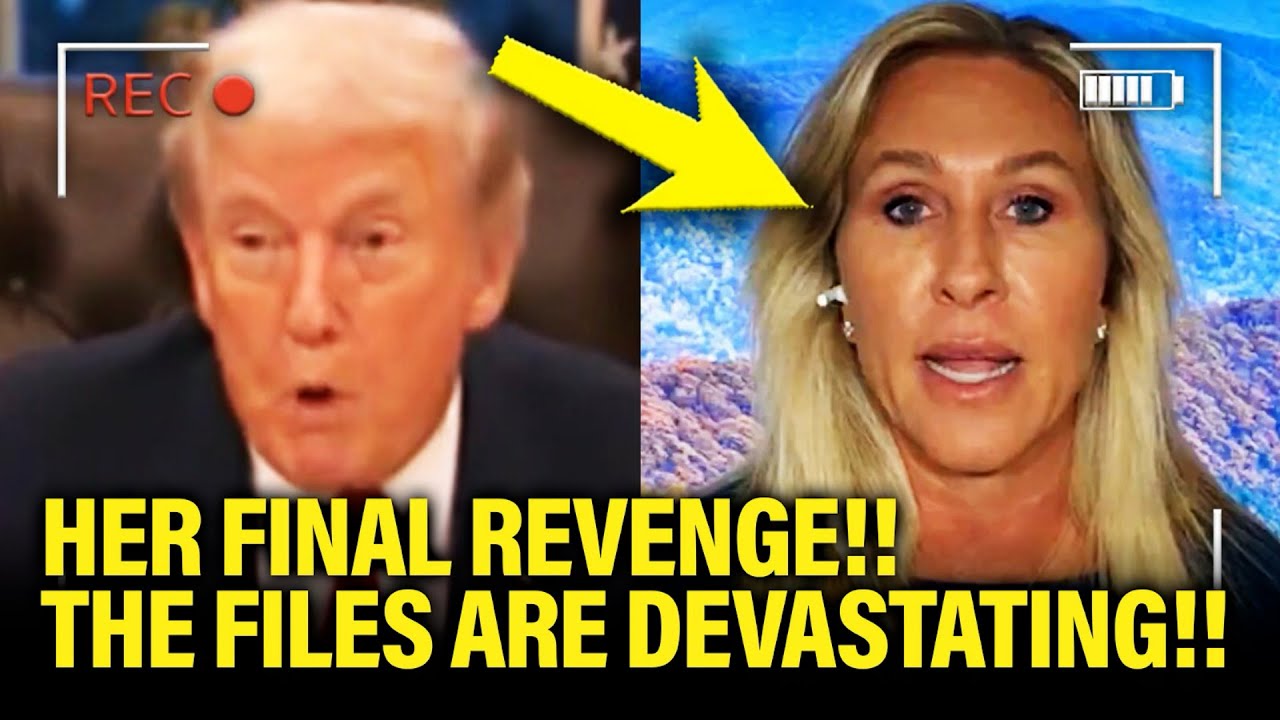
For Ms. Greene, the Epstein files have become both a weapon and a warning — a way to challenge Mr. Trump’s dominance while casting herself as a truth-teller betrayed by her own party. Whether that strategy resonates with voters remains unclear.
For Mr. Trump, who is already navigating multiple legal battles, the episode adds another layer of political volatility. Even unproven allegations can be damaging when amplified across social media ecosystems primed for scandal.
And for the Justice Department, the controversy highlights a broader crisis of confidence. The absence of a clear, consistent explanation for how Epstein records are being reviewed, redacted, and released has left space for conspiracy theories to flourish.
What Comes Next
No additional indictments related to Epstein have been announced. Officials have not confirmed whether more documents remain unreleased, nor have they provided a timeline for further disclosures.
What is clear is that Epstein’s shadow continues to fall across American politics — not only because of what he did, but because of what his case reveals about wealth, access, and the fragility of public trust.
As the fight between Ms. Greene and Mr. Trump unfolds, it is less a personal feud than a symptom of something larger: a political culture in which secrecy breeds suspicion, and where the line between accountability and spectacle grows ever harder to see.