By XAMXAM
WASHINGTON — A series of recent court decisions and document releases connected to the long-running investigation of Jeffrey Epstein have reopened a debate that Washington has struggled to contain for years: how much of the government’s Epstein archive should be made public, and what political consequences follow when long-sealed records begin to emerge.
At the center of the renewed scrutiny is Donald Trump, whose name appears in some of the materials now circulating publicly. While no new criminal charges have been filed against Mr. Trump, the disclosures — combined with court rulings signaling greater openness around Epstein-related records — have intensified questions about transparency, accountability and the limits of secrecy in cases involving powerful figures.

A Shift on Secrecy
For decades, federal courts have treated grand-jury materials as nearly sacrosanct, protected by Rule 6(e) of the Federal Rules of Criminal Procedure. Judges have repeatedly emphasized that secrecy is essential to protect witnesses, encourage candid testimony and prevent reputational harm where no charges result.
In recent months, however, federal judges overseeing Epstein-related matters have indicated that at least some categories of records may be eligible for disclosure under narrow circumstances, particularly when Congress has acted to mandate transparency or when the public interest is deemed unusually compelling.
Those rulings intersect with the case of Ghislaine Maxwell, Epstein’s longtime associate, who was convicted in 2021 of sex-trafficking offenses. Lawyers and legal scholars note that Maxwell’s case has become a focal point for arguments that portions of investigative material can be released without compromising ongoing prosecutions.
What Has Been Released — and What Has Not
The latest batch of Epstein-related records includes flight manifests, contact lists, photographs and excerpts from investigative files compiled by federal authorities over many years. Officials stress that these documents are not findings of guilt and that appearance in such records does not imply criminal conduct.
Mr. Trump’s name appears in some of the materials, including historical flight records and social photographs from the 1990s. Similar references to other prominent figures — from business leaders to politicians of both parties — also appear throughout the archive, reflecting Epstein’s extensive social network.
Legal experts caution that such documents often require careful interpretation. Flight logs, for example, record names but not the purpose of travel, nor do they establish what occurred during a trip. Contact lists indicate associations, not conduct. Photographs capture proximity, not culpability.
Still, the disclosures complicate a long-standing narrative offered by Mr. Trump, who has said publicly that while he knew Epstein socially, their relationship was limited and ended years before Epstein’s first arrest. Critics argue that the newly visible records raise legitimate questions about the depth of that association; Trump allies counter that none of the documents allege wrongdoing by him.
Political Repercussions
The timing of the releases has heightened their political impact. Mr. Trump, who has frequently portrayed himself as an outsider willing to expose elite corruption, now faces questions about why his administration resisted earlier transparency efforts related to Epstein and why some records remain sealed.
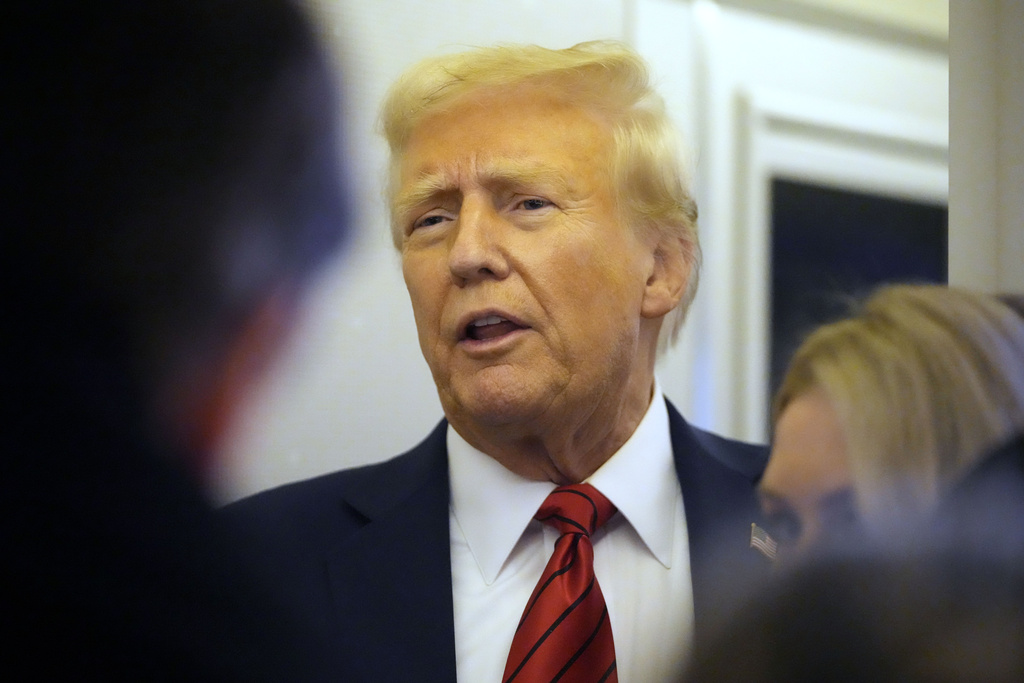
Democratic lawmakers have seized on the disclosures as evidence that Congress must assert greater oversight over the Justice Department’s handling of sensitive cases involving influential figures. Several Republicans, while urging caution, have acknowledged that continued secrecy risks fueling public distrust and conspiracy theories.
Polling conducted in recent months suggests that a significant share of Americans believe that powerful individuals were shielded from accountability in the Epstein investigation. Analysts say the gradual release of records — rather than a single comprehensive disclosure — has amplified suspicion, keeping the issue alive in cycles.
The Administration’s Response
The White House has denied that the documents implicate Mr. Trump in any criminal activity and has described selective interpretations of the records as politically motivated. Spokespeople emphasize that no court has accused Mr. Trump of wrongdoing in connection with Epstein and that past reporting has documented a falling-out between the two men years before Epstein’s legal troubles became public.
Administration officials also argue that protecting certain records remains necessary to safeguard victims’ privacy and to avoid releasing unverified allegations. Victims’ advocates broadly agree that transparency must be balanced against the risk of retraumatization.
An Unfinished Archive
What continues to drive attention is not only what has been released, but what has not. The Justice Department has acknowledged that a vast number of Epstein-related documents remain under review. Each new disclosure invites renewed scrutiny — not just of Mr. Trump, but of the broader political, legal and social systems that allowed Epstein to operate for years with minimal consequence.
For historians of American politics, the episode underscores a recurring tension: the public demand for full exposure versus the institutional instinct to limit disclosure in the name of due process. When the subject involves a notorious criminal and a web of powerful acquaintances, that tension becomes explosive.
The Broader Stakes
The Epstein case has long transcended the crimes of one man. It has become a symbol — for some, of elite impunity; for others, of the dangers of rumor and guilt by association. As courts reconsider the boundaries of secrecy and Congress presses for transparency, the question is no longer whether Epstein’s shadow will resurface, but how often, and with what consequences.
For Mr. Trump, the political risk lies less in legal jeopardy — none has been established — than in the erosion of credibility. For Congress and the courts, the challenge is to demonstrate that transparency can be expanded without abandoning fairness.
And for the public, the unfolding disclosures serve as a reminder that in cases where power and secrecy intersect, answers rarely arrive all at once — and seldom satisfy everyone.