Allies Signal Limits as Trump Floats Iran Strike, and Rivals Move to Fill the Vacuum
As President Donald Trump publicly weighs the prospect of military action against Iran — and describes large-scale U.S. naval deployments as an “armada” meant to pressure Tehran — a growing number of American partners are signaling that they may not participate this time, or even facilitate an operation quietly behind the scenes.
In recent days, Saudi Arabia and the United Arab Emirates have delivered an unusually direct message: their airspace and territory should not be used for U.S. attacks on Iran, a stance that underscores the region’s fear of retaliation and a widening desire to avoid being pulled into an open-ended conflict.
The warnings come amid a broader sense of diplomatic drift. In Europe and North America, leaders are recalibrating trade and security relationships in ways that analysts say reflect declining confidence in Washington’s predictability — and in Mr. Trump’s willingness to align rhetoric with allied interests.
Gulf Partners Draw Red Lines
Mr. Trump has alternated between the language of deal-making and imminent force. In public remarks reported by Reuters, he said he intended to talk to Iran but emphasized significant U.S. naval forces in the region, while the Pentagon signaled readiness to act if ordered. Reuters has also reported that the White House is considering a range of strike options — from limited attacks on Iranian targets to broader action — amid heightened tensions and turmoil inside Iran.
For Gulf states, the prospect of U.S. military action is not a theoretical debate. Regional governments would likely face immediate consequences, including economic disruption and possible Iranian retaliation. Those concerns appear to be driving a blunt shift in public positioning.
Saudi Arabia’s Crown Prince Mohammed bin Salman told Iran’s president that Riyadh would not allow its airspace or territory to be used for military actions against Iran, according to reporting citing official Saudi accounts. The UAE has issued a similar message, saying it would not permit attacks from its territory or airspace and emphasizing de-escalation and sovereignty.
Taken together, the statements represent a notable narrowing of the operational flexibility the U.S. has often assumed in the Gulf — and a reminder that, even among security partners, cooperation is not automatic when the political costs are high.
Moscow’s Moment in Damascus
At the same time, Russia appears to be pressing for strategic advantage in Syria. Syrian President Ahmed al-Sharaa met with President Vladimir Putin in Moscow, a visit framed by multiple outlets as part of the Kremlin’s effort to secure its military footprint and strengthen ties with Syria’s new leadership.
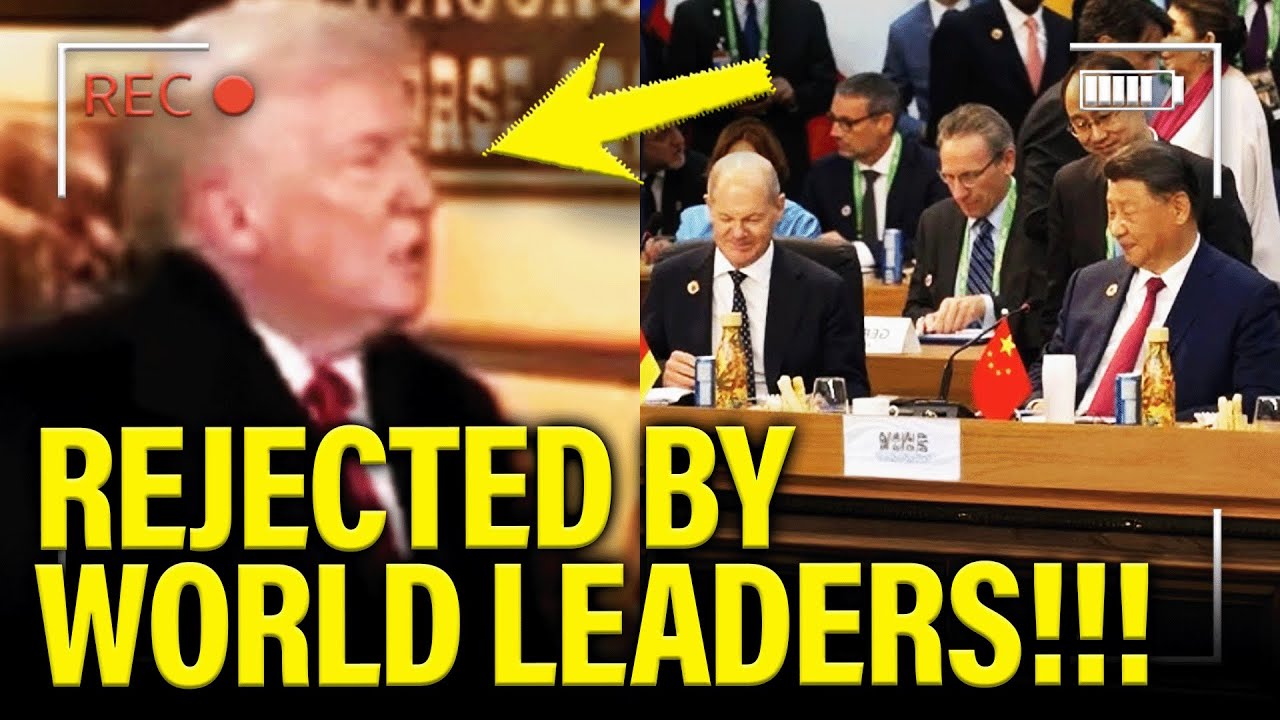
In the feverish ecosystem of American political social media, the meeting has been presented as a personal rebuke to Mr. Trump — a storyline amplified in viral clips and commentary on platforms like X and YouTube. But foreign-policy specialists caution that the underlying dynamic is more structural than personal: Moscow is working methodically to protect its regional interests, while Washington’s position appears increasingly reactive.
Britain’s China Pivot, and a Broader Trend
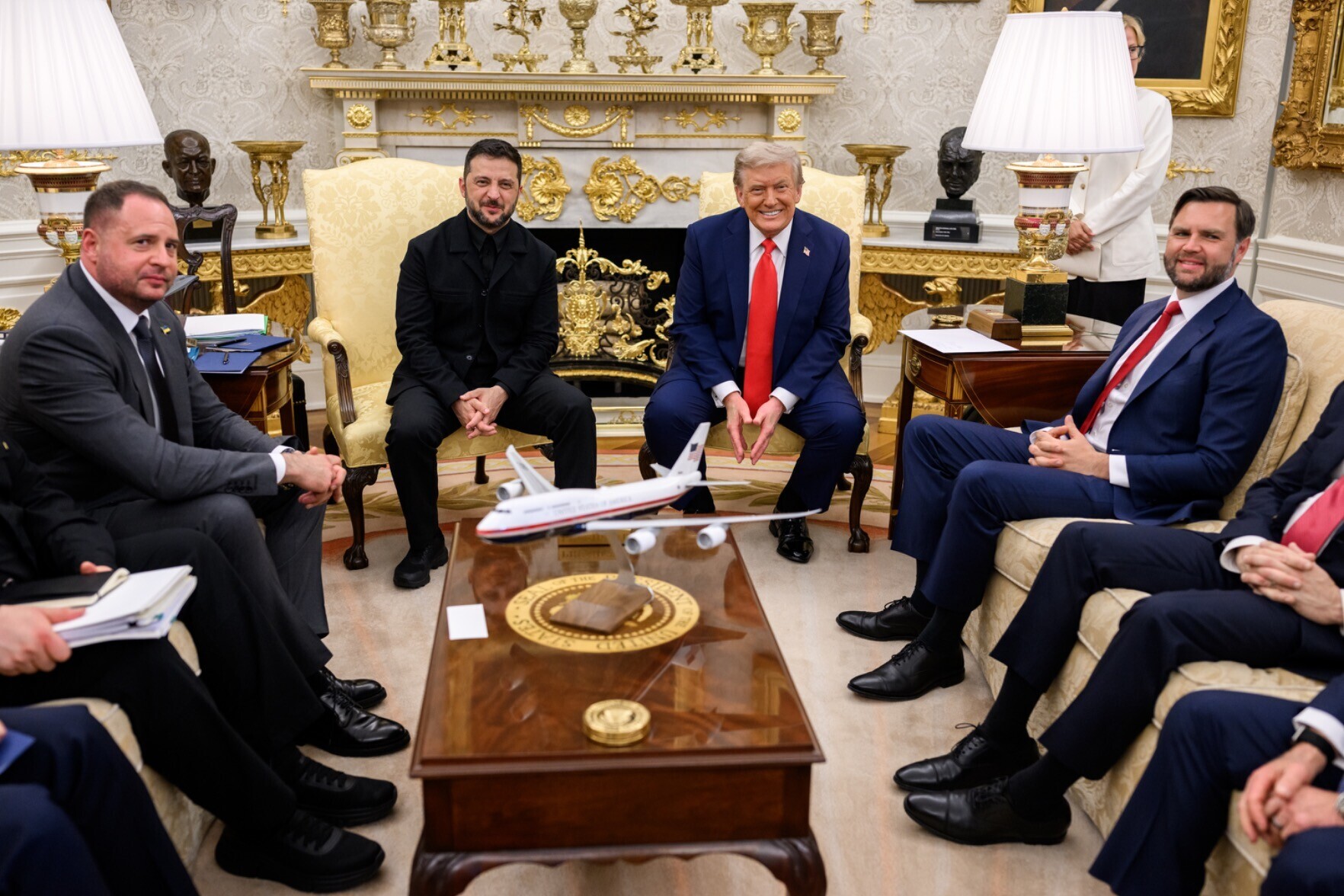
The latest signal of diplomatic rearrangement came from Britain. Prime Minister Keir Starmer traveled to Beijing — the first visit by a U.K. prime minister in eight years — and presented the trip as a pragmatic effort to advance British economic interests, even amid political disagreements.
Reuters described the visit as a “reset” bid, including agreements aimed at facilitating travel and trade, as Starmer sought a more “sophisticated” relationship with China. Chinese state media, according to The Guardian, cast the trip as economic realism — and as evidence that Western governments are adjusting to volatility in U.S. policy.
The Starmer visit fits a wider pattern: as geopolitical risk rises, middle powers are hedging. Not necessarily “choosing China” over the United States, but diversifying options so that U.S. turbulence does not determine their fate.
Canada, Tariffs, and the Politics of Leverage
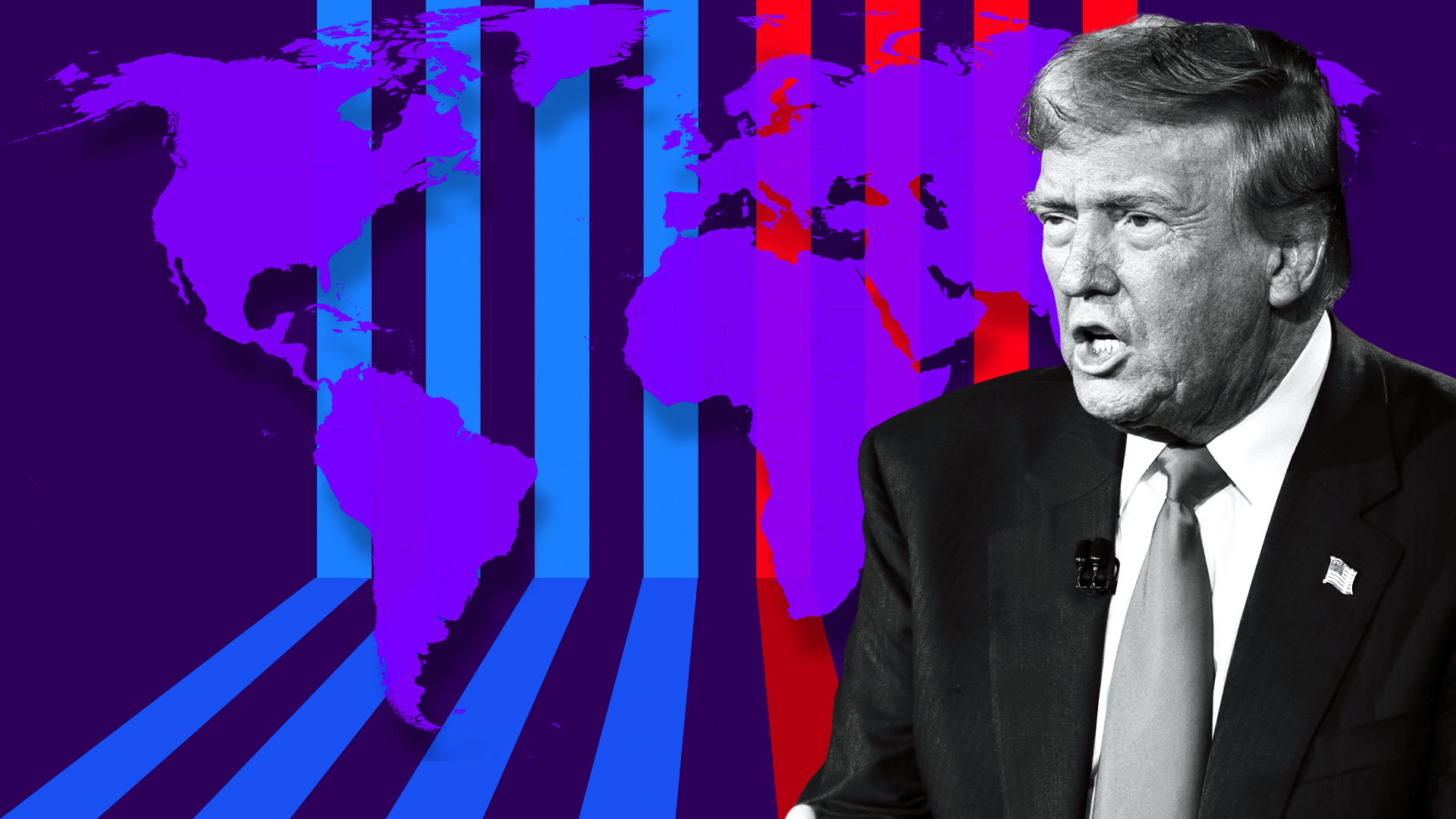
North of the U.S. border, trade has become a proxy battlefield. Mr. Trump has threatened 100% tariffs on Canadian goods if Canada moves forward with a trade deal with China, according to multiple reports. China has responded by arguing that its trade arrangements are not aimed at third parties — an implicit rebuke to Washington’s effort to police other countries’ commercial ties.
Mr. Trump’s supporters describe the tariff threats as hard-nosed bargaining. Critics argue they are accelerating an unintended effect: making U.S. policy risk itself a reason for other governments and companies to seek alternatives.
That dynamic is visible in Europe as well. Reuters reported that German corporate investment in China rose to a four-year high in 2025, with the analysis explicitly linking the shift to concerns about U.S. trade policy.
The EU-India Deal: A World of Workarounds
The European Union is also moving quickly to deepen trade ties elsewhere. India and the EU finalized a major free trade agreement after years of negotiations, with European Commission President Ursula von der Leyen calling it the “mother of all deals,” according to reporting by Reuters and The Guardian.
The agreement is being read, in part, as a bet on insulation: building commercial architecture that remains viable even if the U.S. becomes an unreliable partner or weaponizes tariffs unpredictably.
A Weaker Dollar, and the Confidence Problem
Markets have been watching the same picture. Reuters reported the U.S. dollar sank to a four-year low, with Mr. Trump publicly brushing off concerns and suggesting the currency was “doing great.” Other Reuters reporting has described investor unease amid policy uncertainty, even when the dollar briefly stabilizes after sharp drops.
Currency moves rarely hinge on one speech or one week. But economists note that confidence is cumulative — shaped by whether global investors believe U.S. institutions, alliances, and policy are steady enough to anchor long-term decisions.
The World Cup as a Political Mirror
Even sport is being pulled into the debate. The Washington Post reported that calls are growing in Europe to boycott the 2026 World Cup, citing concerns about the U.S. political environment and the degree to which the tournament has become entangled with Mr. Trump. Industry and soccer-focused outlets have echoed the theme, describing rising anxiety among international stakeholders.
A boycott remains speculative — and would face enormous logistical and financial hurdles. But the fact that it is discussed seriously at all signals a reputational shift: the U.S. is increasingly viewed not as neutral host terrain, but as contested political space.
The Social Media Feedback Loop
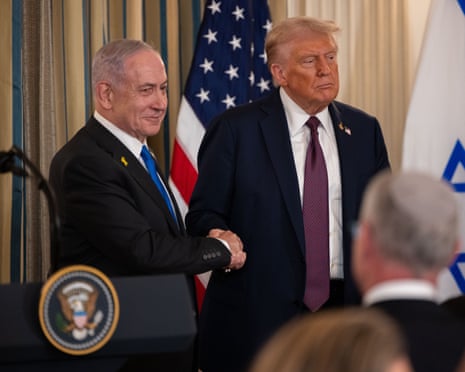
Much of this story is unfolding in a familiar modern pattern: officials make statements; viral political accounts assemble them into narratives; commentary channels — left and right — amplify the most dramatic frames; and traditional outlets then cover the reaction as news itself.
That feedback loop can clarify genuine developments (like Gulf states publicly restricting cooperation, or major trade agreements signed elsewhere). But it can also distort them, treating every meeting, every tariff threat, every military movement as proof of a single grand storyline: that the world is “turning its back” on America.
The reality is more precise — and, in some ways, more consequential. America is not being abandoned overnight. But across capitals, boardrooms, and ministries, there is mounting evidence of a shift toward redundancy: more trade corridors, more alternative suppliers, more hedging relationships, more deals that reduce dependence on Washington’s mood.
If Mr. Trump chooses escalation with Iran, the Gulf’s red lines suggest the U.S. could face tighter constraints and higher costs than the White House might prefer. And even if conflict is avoided, the larger trend remains: in a world that prizes predictability, unpredictability becomes its own kind of strategic disadvantage.
If you want, I can also write a tighter “front-page news” version (more event-driven, less analysis) or a more op-ed style version (still NYT-like, but sharper voice).