A Global Backlash Takes Shape as Calls to Boycott the United States Grow Under Trump
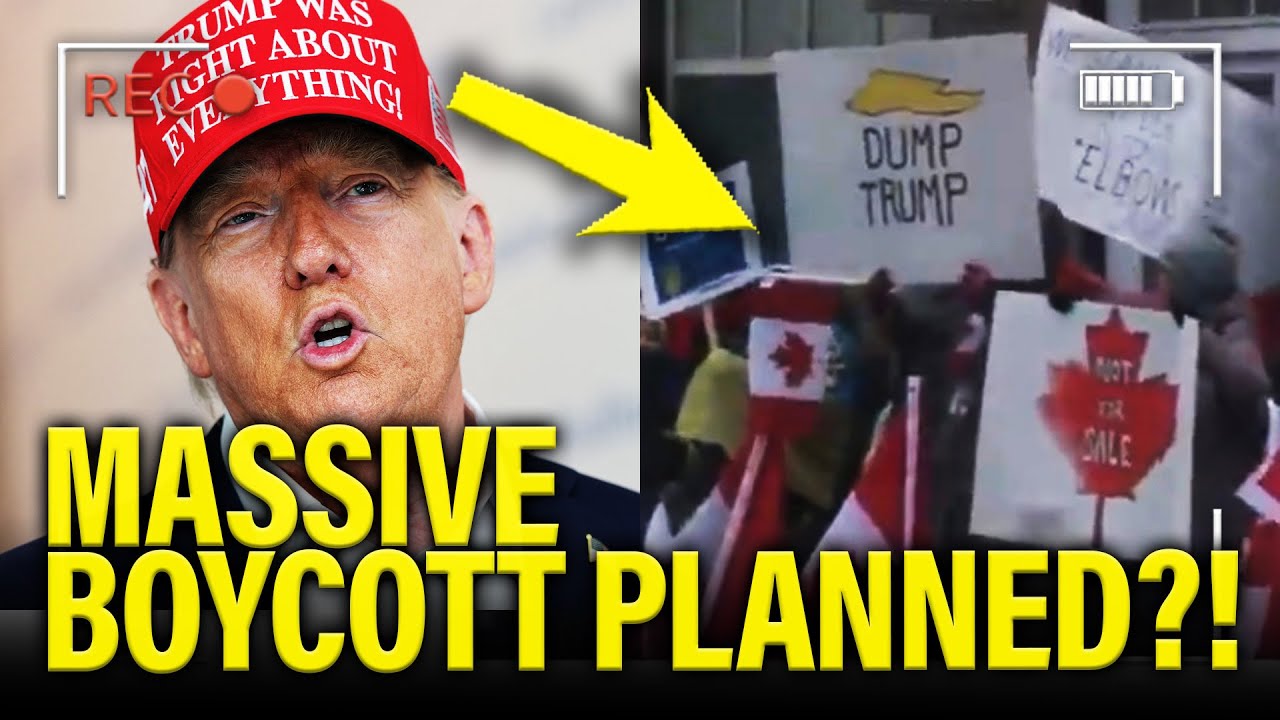
In cities from Toronto to Copenhagen, Berlin to São Paulo, a phrase has begun circulating with increasing frequency across social media feeds, protest placards, and political commentary: Boycott the United States.
What was once a fringe sentiment—largely confined to activist circles critical of American foreign policy—has in recent months evolved into a broader, more organized backlash against President Donald Trump’s administration, driven by a combination of aggressive trade threats, inflammatory rhetoric toward allies, and mounting international concern over human rights and internal security practices within the United States.
Canada, long one of Washington’s closest allies, has emerged as both the symbolic and practical starting point of this movement.
Canada’s Early Break—and Its Consequences
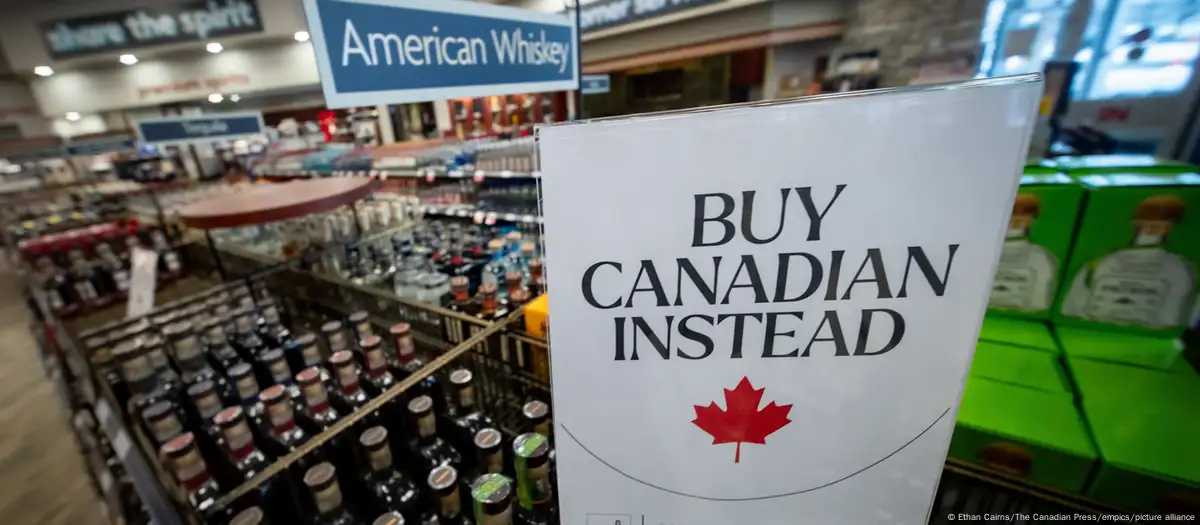
Canadian consumer boycotts of U.S. tourism and products first gained momentum after Mr. Trump publicly floated the idea of Canada becoming the “51st state,” language that officials in Ottawa viewed as both unserious and deeply insulting to Canadian sovereignty. The reaction was swift: provincial liquor boards reduced or removed American alcohol brands, tourism campaigns encouraged Canadians to vacation domestically or abroad, and social media campaigns urging consumers to “buy Canadian” surged.
According to tourism industry data cited widely by Canadian media, U.S. leisure travel from Canada declined sharply in the months that followed. American whiskey producers, border-state retailers, and hospitality groups quietly acknowledged the impact.
What initially appeared to be a uniquely Canadian response is now being echoed elsewhere.
Europe Responds: From Consumer Apps to Political Warnings
In Denmark, the backlash intensified after Mr. Trump revived rhetoric suggesting U.S. control over Greenland—an autonomous territory within the Danish kingdom—coupled with disparaging remarks about Denmark itself. A consumer smartphone application that allows users to scan products and identify U.S. corporate connections became one of the country’s most downloaded apps, according to Danish media reporting.
Across Europe, the reaction has extended beyond consumer choices. At the World Economic Forum in Davos, Prime Minister Mark Carney of Canada received a standing ovation after delivering a speech emphasizing multilateralism, respect for sovereignty, and international cooperation—an address widely interpreted as a rebuke to Washington’s current posture.
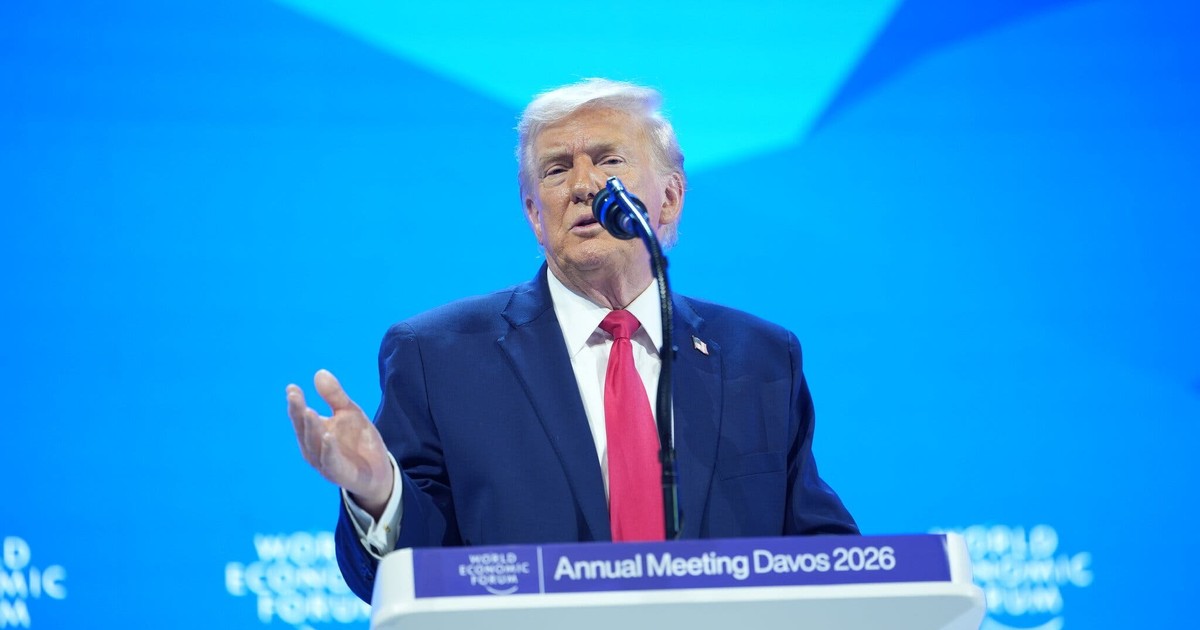
Mr. Trump’s own appearance at Davos, in contrast, drew criticism for its confrontational tone and factual inaccuracies, including confusion over Greenland and Iceland and dismissive comments regarding NATO allies’ military contributions.
Those remarks provoked particular anger in countries that lost soldiers fighting alongside U.S. forces in Afghanistan after NATO invoked Article 5 following the September 11 attacks—the only time the alliance has done so.
A World Cup in Question
Perhaps the most striking indication of how far the backlash has traveled came this week from Germany. A senior executive affiliated with the German Football Association publicly questioned whether participation in the 2026 World Cup—scheduled to be hosted in the United States, Canada, and Mexico—should be reconsidered.
His remarks followed growing concern among international fans over reports of aggressive immigration enforcement, detentions, and border operations within the United States. Online, football supporters from Europe, Latin America, and Africa voiced fears—some hyperbolic, others deeply serious—about traveling to a country they increasingly associate with political volatility and arbitrary enforcement.
While no national federation has formally withdrawn, the mere suggestion of a boycott would have been unthinkable just a few years ago.
Trade Threats and Diplomatic Whiplash
The administration’s foreign economic policy has further fueled resentment. In recent days, Mr. Trump threatened to impose tariffs of up to 100 percent on Canadian goods should Ottawa deepen its trade relationship with China—despite having publicly praised such a deal only a week earlier.
The contradiction was not lost on Canadian officials or international observers. Mr. Carney, who recently concluded a major strategic trade agreement with Beijing covering electric vehicles, liquefied natural gas, and agricultural exports, responded by reiterating Canada’s commitment to diversifying trade partnerships and reducing dependence on any single market.
“Now is the time to fight for our values,” Mr. Carney said in remarks that have since been widely shared across social media, where they were interpreted as both a domestic rallying cry and an international signal.
Social Media as an Accelerant
Unlike previous eras of diplomatic tension, this backlash is unfolding in real time across digital platforms. The hashtag #BoycottUSA trended globally across X, TikTok, and Instagram over the past 48 hours, amplified by viral videos, commentary from international media outlets, and even satirical content produced by state-affiliated Chinese media portraying the United States as an exploitative power.
In China, one widely circulated animated video depicted Uncle Sam dragging a penguin across an icy landscape—an unsubtle reference to Greenland and American imperial ambition. While intended as propaganda, the imagery resonated with audiences already skeptical of U.S. intentions.
A Shifting Global Mood
What distinguishes the current moment from past waves of anti-American sentiment is its breadth. Polling in Europe shows declining confidence in U.S. leadership across ideological lines. In Denmark, even traditionally pro-American conservative voters have shifted toward parties emphasizing national sovereignty and resistance to external pressure.
In Latin America and parts of Africa, where American influence has long been contested, calls to reduce economic and cultural reliance on the United States are gaining traction among younger populations.
None of this suggests an imminent collapse of American global influence. The U.S. remains the world’s largest economy and a central security actor. But the erosion of goodwill—particularly among allies—represents a strategic cost that may be difficult to reverse.
An Inflection Point
Whether the boycott movement evolves into sustained economic and political action remains uncertain. Much depends on whether allied governments translate public sentiment into policy, and whether American leadership recalibrates its approach.
For now, the message emerging from capitals across the world is unmistakable: sovereignty matters, alliances matter, and rhetoric has consequences.
As one European diplomat, speaking on condition of anonymity, put it bluntly: “This is not about hating America. It’s about rejecting behavior that makes partnership impossible.”
In 2026, the United States is set to welcome the world for a global sporting event meant to celebrate unity. Whether the world shows up—or chooses to stay away—may ultimately depend on how Washington responds to a growing chorus telling it, for the first time in generations, no.