Trump Isolated in Davos as Allies Recoil From Escalating Rhetoric on Greenland, NATO, and Trade
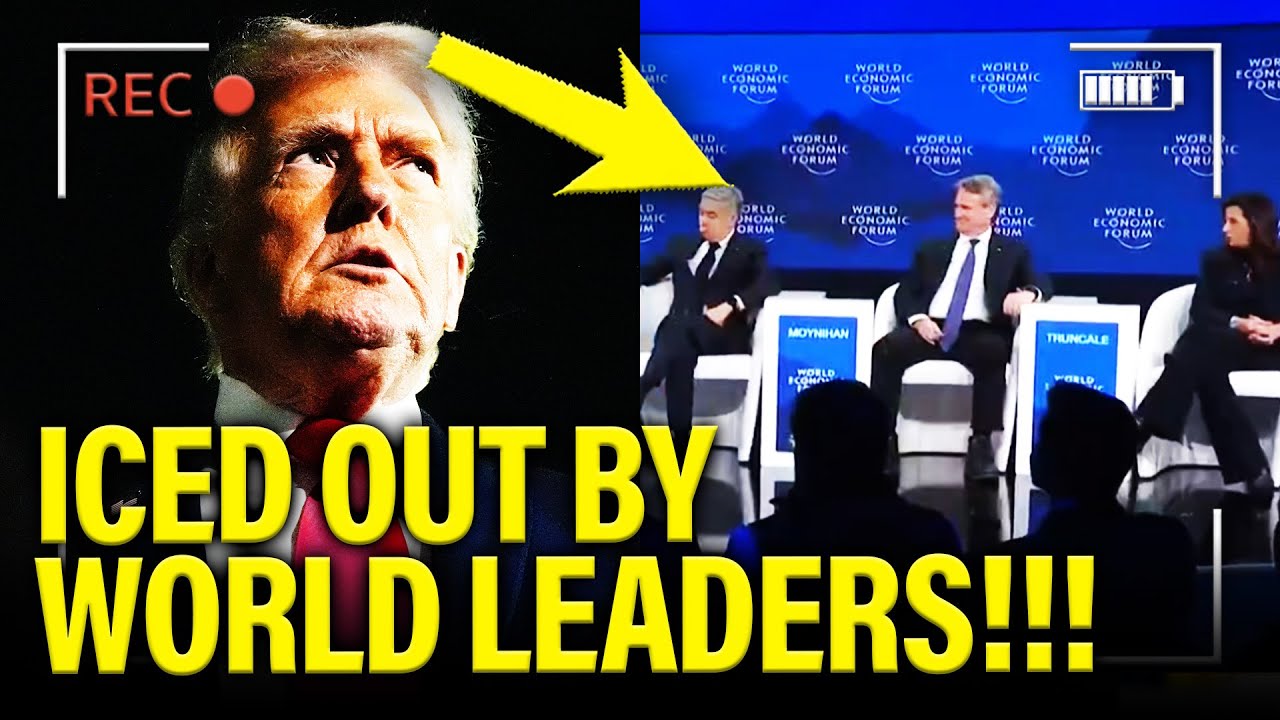
DAVOS, Switzerland — President Donald Trump arrived at the World Economic Forum this week facing an unusually stark reality for an American president: public rejection by allies, visible unease among global markets, and an increasingly unified response from Europe and Canada against what foreign leaders describe as reckless and destabilizing conduct.
Several world leaders made clear they had no intention of meeting with Mr. Trump in Davos, a symbolic rebuke at a forum traditionally used to reaffirm diplomatic ties. Among them was French President Emmanuel Macron, who publicly declined a meeting after Mr. Trump posted what Mr. Macron described as private text messages discussing Greenland — a territory Mr. Trump has repeatedly suggested the United States should acquire.
According to Mr. Trump’s social media posts, Mr. Macron questioned the rationale behind the Greenland fixation, writing that the proposal “made no sense” and suggesting a private dinner to discuss broader global issues instead. Mr. Trump shared the message online. Within days, Mr. Macron made clear he would not meet the U.S. president in Davos.
The episode set the tone for a week in which American diplomacy appeared increasingly isolated.
NATO Tensions and Leaked Communications
The strain deepened after Mr. Trump also posted excerpts of private communications with NATO Secretary General Mark Rutte, who had sought to strike a conciliatory tone amid escalating tensions between Washington and the alliance. European officials privately expressed alarm at the precedent of publishing confidential diplomatic exchanges, saying it undermined trust at a moment when unity was already fragile.
In recent posts, Mr. Trump circulated maps depicting the United States exerting control over Canada, Greenland, Cuba, and parts of South America — images that circulated widely online and were met with sharp condemnation abroad. Though supporters dismissed the posts as provocation or satire, European and Canadian officials treated them as further evidence of an expansionist posture that could not be ignored.
Mr. Trump escalated his rhetoric further on Tuesday morning, declaring on social media that “the enemy is within,” and asserting that institutions such as NATO and the United Nations posed a greater threat than China or Russia — comments that stunned diplomats attending the forum.
A Coordinated Pushback From Allies
In contrast to Washington’s messaging, several allied leaders used Davos to publicly reaffirm multilateral cooperation — and to draw clear red lines.

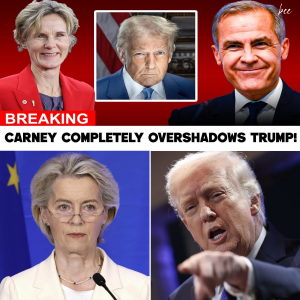
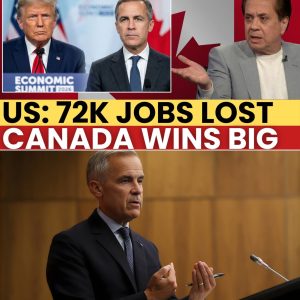
Canadian Prime Minister Mark Carney stated that Canada “stands firmly with Greenland and Denmark” on Arctic sovereignty and rejected any attempt to use tariffs or military pressure to force territorial concessions. He emphasized Canada’s commitment to NATO’s Article 5 and announced new investments in Arctic defense, infrastructure, and surveillance.
European leaders echoed that resolve.
In a speech widely circulated on social media, Mr. Macron warned against “bullying” and praised the rule of law, scientific cooperation, and institutional stability — a message widely interpreted as a rebuke of the Trump administration’s approach. “We prefer respect to brutality,” he said. “We prefer rule of law to force.”
Belgium’s prime minister went further, warning that Europe must choose between “self-respect” and “being a miserable slave,” arguing that yielding now would permanently erode democratic dignity.
Ursula von der Leyen, president of the European Commission, announced a “massive European investment surge” in Greenland, pledging economic and infrastructure support in coordination with Denmark — a direct counter to Washington’s pressure campaign.
Market Reaction and Economic Fallout
As diplomatic tensions intensified, markets reacted swiftly.
U.S. stocks fell sharply amid fears of retaliatory tariffs and trade fragmentation. Yields on 10-year and 30-year Treasury bonds rose, signaling investor anxiety over inflation, borrowing costs, and geopolitical risk. Analysts warned that renewed tariff threats — including Mr. Trump’s suggestion of a 10 percent tariff on Denmark if Greenland were not ceded — could push mortgage rates higher and destabilize already sensitive global supply chains.
European officials privately described the administration’s trade posture as erratic, noting that positions announced one day were often reversed the next.
That unpredictability was on display when Mr. Trump attacked the United Kingdom over the planned transfer of sovereignty of Diego Garcia to Mauritius — a deal previously endorsed by his own administration and publicly supported by Secretary of State Marco Rubio just months earlier.
Divisions on Display in Davos Panels
The contrast between allied messaging and U.S. representatives became especially stark during public panels.
Howard Lutnick, the U.S. commerce secretary, dismissed concerns over Greenland by asserting that the Western Hemisphere was “vital” to American security and suggested that other nations depended on U.S. strength for their survival — comments that drew visible discomfort from fellow panelists.
Mr. Lutnick also criticized Europe’s green energy goals, claiming the continent “doesn’t make batteries,” an assertion energy experts quickly disputed. European officials present were seen shaking their heads as he spoke.
Treasury Secretary Scott Bessent added to the controversy, discussing tariffs tied to Greenland and dismissing the possibility that the European Union or the United Kingdom could meaningfully retaliate financially against the United States — a view many economists at Davos described as dangerously complacent.
Tariffs, Threats, and Personal Retaliation
The confrontational tone culminated when Mr. Trump, responding to Mr. Macron’s refusal to join a proposed “Board of Peace” that would reportedly include Russian President Vladimir Putin, threatened a 200 percent tariff on French wine and champagne.
Mr. Macron declined to comment directly on the threat, but European trade officials noted that such a move would almost certainly trigger coordinated retaliation under World Trade Organization rules.
Ukrainian President Volodymyr Zelensky also rejected the idea of participating in any peace body alongside Russia while his country remained under invasion.
A Broader Reputational Crisis
Even within the United States, the backlash was evident.
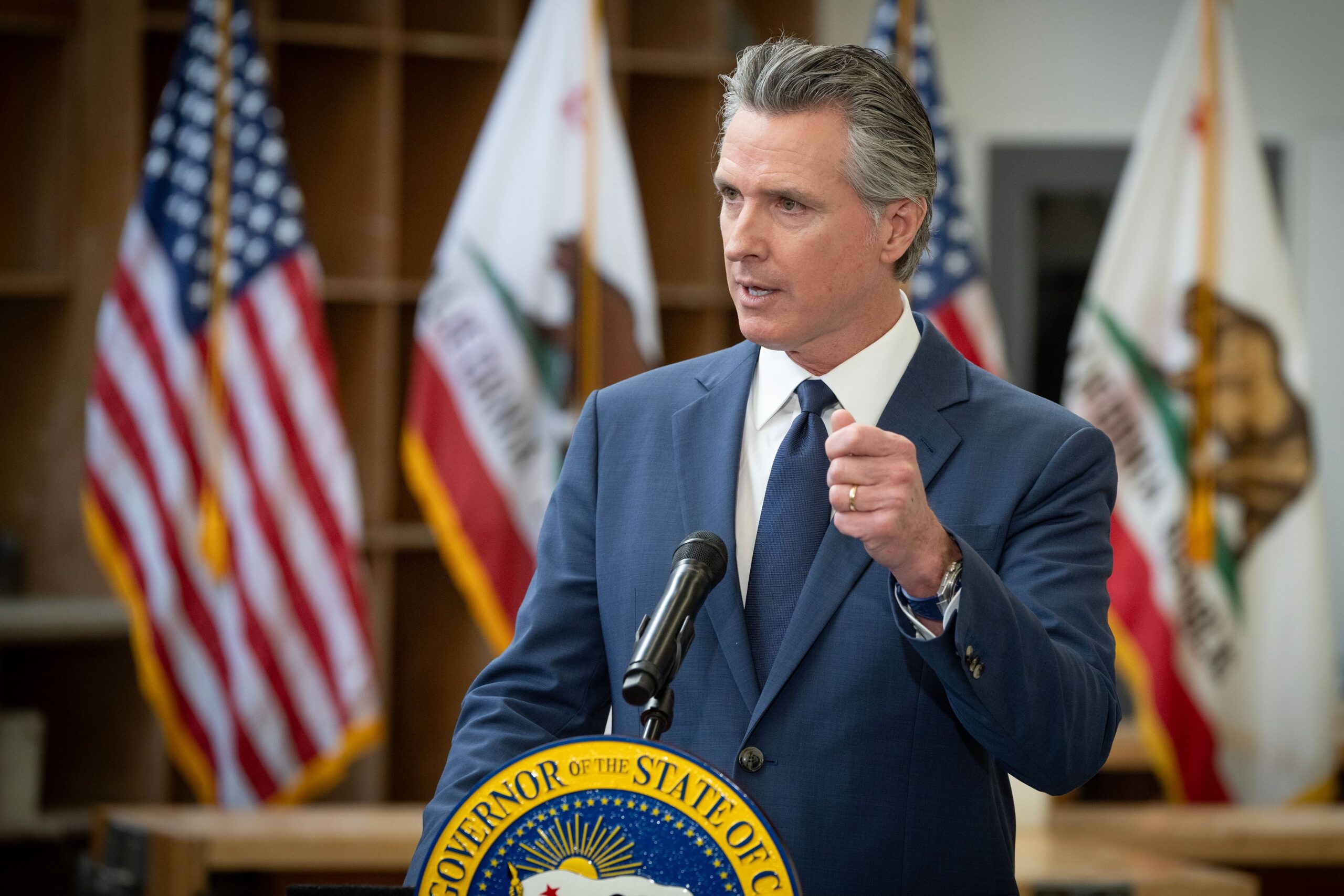
California Governor Gavin Newsom, speaking from Davos, criticized what he called the “complicity” of leaders who accommodate Mr. Trump’s demands. He urged allies to “stand tall” and stop being “played,” calling the current moment embarrassing for America’s global standing.
While Mr. Trump retains strong support among his domestic base, the events in Davos underscored a growing gap between Washington and much of the democratic world.
For many attending the forum, the concern was not merely about Greenland or tariffs, but about whether the United States could still be relied upon as a predictable partner.
As one European diplomat put it privately, “This is no longer about policy disagreements. It’s about whether diplomacy itself can function.”