Trump’s Greenland Ultimatum Jolts Europe, Freezes Trust and Forces Allies Into Defensive Posture
WASHINGTON — When Donald Trump declared that “if the United States does not take Greenland, Russia or China will,” European leaders initially hoped the remark would fade as rhetorical excess. It did not. Repeated in interviews and public remarks, framed not as speculation but as inevitability, the statement has triggered one of the sharpest transatlantic ruptures in years — pushing allies to reconsider trade, security and even long-standing assumptions about American restraint.
What began as talk of a “deal” quickly evolved into something far more consequential. Mr. Trump described an “easy way” and a “hard way,” making clear that force was not off the table. Diplomats in Denmark and representatives of Greenland responded by walking out of meetings in Washington, according to officials briefed on the discussions, signaling that the conversation had crossed a line.
Europe Reaches for Leverage
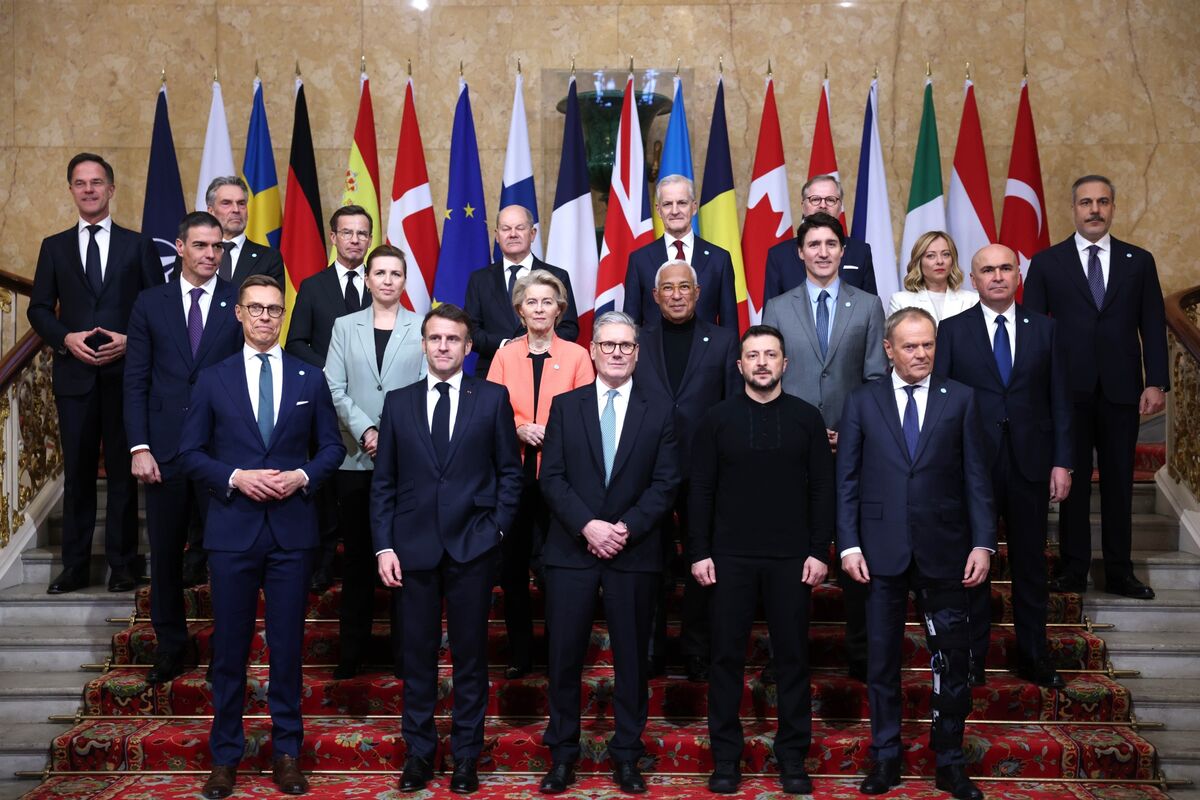
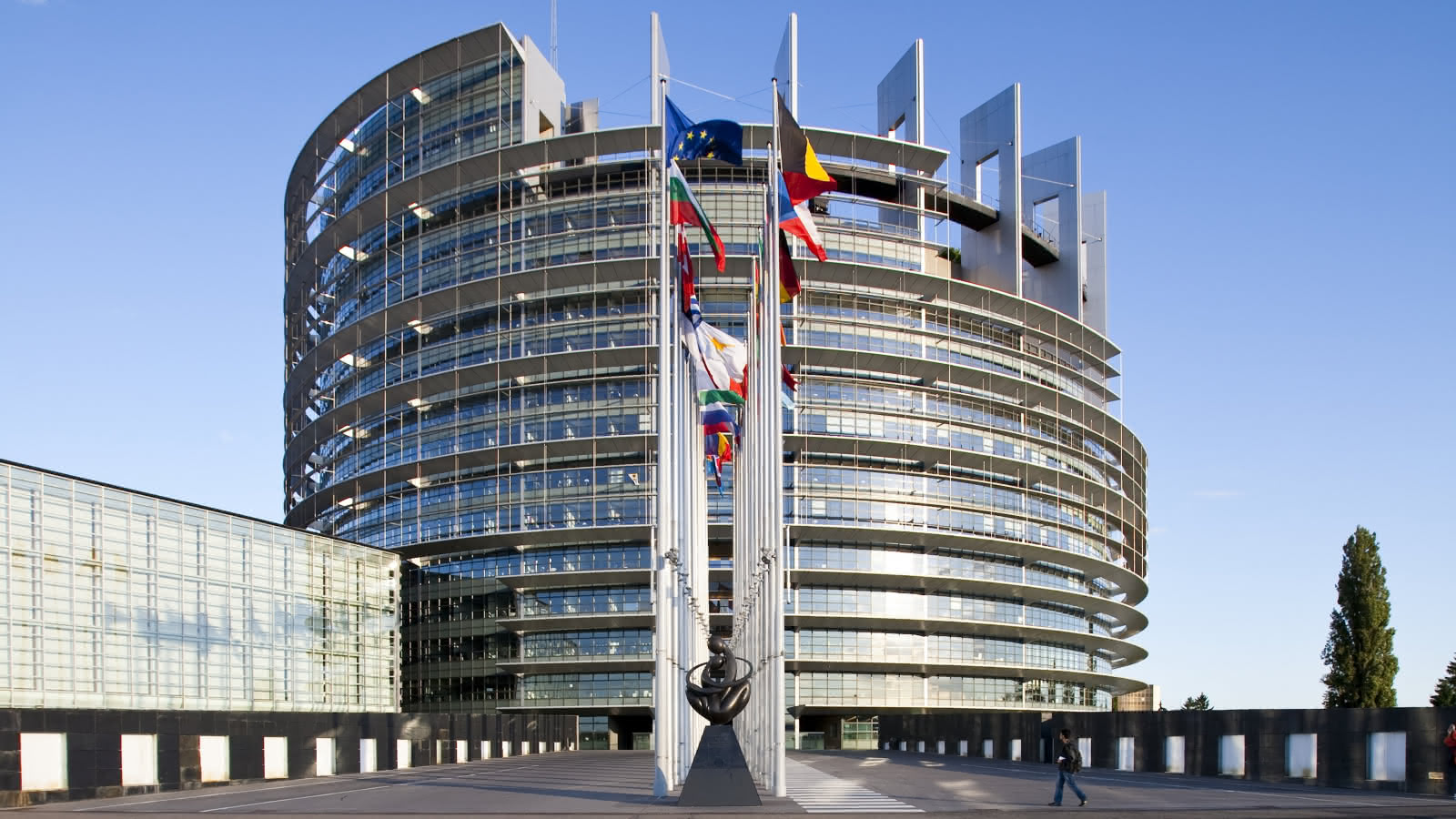
The reaction across Europe was swift and unusually blunt. Senior figures within the European Parliament began circulating a letter urging colleagues to freeze progress on a major U.S.–E.U. trade agreement ahead of a scheduled February vote. The message was unambiguous: deepening economic ties with a partner openly discussing the seizure of territory was no longer politically acceptable.
“This is not symbolic,” said a European official familiar with the effort. “It is leverage. And it reflects a fundamental shift in how Washington is being perceived.”
For decades, disputes between allies were managed quietly, buffered by shared assumptions about sovereignty and international law. Mr. Trump’s insistence that Greenland would “end up under U.S. control one way or another” punctured those assumptions.
Greenland Pushes Back
On the island itself, the response was equally firm. Greenlandic officials reiterated that the territory is not for sale and rejected the premise that they were facing imminent threats from Russia or China.
“We do not feel occupied. We do not need to be liberated,” said one local leader. “The threats being cited do not match our lived reality.”
Interviews broadcast by European media showed residents expressing anxiety not about Moscow or Beijing, but about Washington’s fixation. One Greenlander said Mr. Trump’s remarks had “spoiled my sleep,” adding, “I’m afraid they have no respect for us, for our country.”
The chair of Greenland’s largest labor union publicly rebuked the annexation talk, calling it condescending and disconnected from conditions in Greenlandic waters and communities.
Denmark Shifts to Defense
Denmark, a founding member of NATO and one of America’s most reliable allies, responded by hardening its stance. Danish officials emphasized that borders are inviolable and sovereignty is not optional — principles embedded in international law and the United Nations Charter.
According to Danish defense officials, a Cold War–era rule of engagement remains in force in Greenland: any unauthorized military incursion is to be met immediately, without awaiting further orders. Danish media reported that the directive — summarized starkly as “shoot first, ask questions later” — has been reaffirmed as rhetoric from Washington escalated.
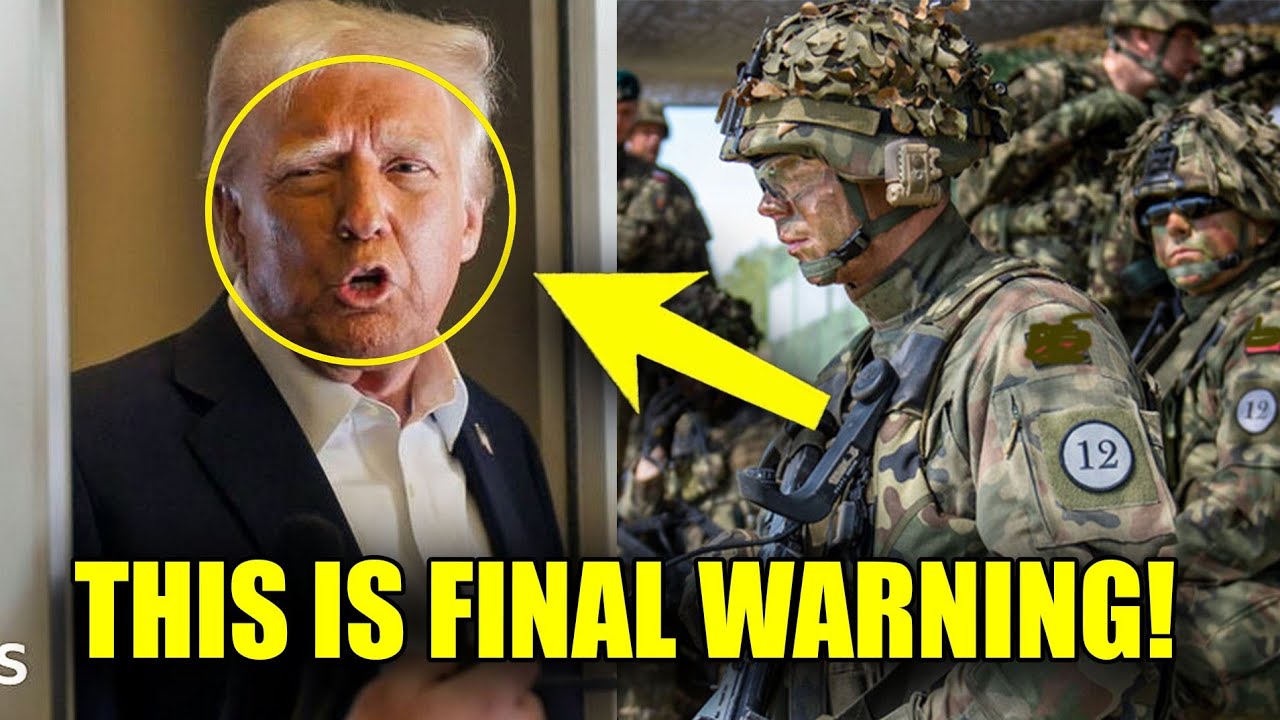
Denmark also announced plans to strengthen its military presence around the Arctic territory, a move that officials described as defensive but necessary.
“We do not seek conflict,” a Danish leader said in a statement. “But we will stand firm on what is right and what is wrong.”
Unease Inside the United States
The backlash has not been confined to Europe. In Washington, even senior Republicans expressed alarm. A prominent Republican senator, speaking on the Senate floor, criticized White House adviser Stephen Miller, saying he either needed to understand NATO obligations or step aside.
Denmark, the senator noted, had “punched above its weight” in alliance commitments, losing dozens of soldiers in Afghanistan while honoring NATO’s Article 5 alongside U.S. forces.
“There is no more important alliance than NATO,” the senator said, warning that alienating partners over Greenland risked lasting damage.

Law, Norms and Contradictions
International law experts point to Article 2(4) of the U.N. Charter, which prohibits the threat or use of force against another state’s territorial integrity. As a permanent member of the U.N. Security Council, the United States carries a special responsibility to uphold that norm.
Yet Mr. Trump’s comments appeared to dismiss those constraints. He has repeatedly portrayed himself as a president of peace, often boasting that he was “the first president in decades to start no new wars.” Critics argue that threatening annexation while forcing allies into defensive postures undermines that claim.
“He says he opposes endless wars,” said a former U.S. diplomat. “But he is manufacturing the conditions for new conflict.”
Trade, Trust and the Cost of Rhetoric
What is already clear is that the consequences are not hypothetical. Trade negotiations are now in jeopardy. Military postures have shifted. Trust — a currency painstakingly built over generations — has been eroded in weeks.
European officials say the damage will not be easily undone, even if the rhetoric softens. Once allies begin planning for contingencies involving one another, the psychological line has been crossed.
Greenland’s future, European leaders insist, belongs to Greenlanders and Danes alone. No outside power gets a vote.
A Broader Signal
For many in Europe, the Greenland episode has become emblematic of a deeper concern: that the United States, long the chief defender of sovereignty and self-determination, is now perceived as selectively applying those principles.
“This is not just about one island,” said a senior E.U. diplomat. “It’s about whether the rules still apply to everyone — including the most powerful.”
As trade votes loom and security planners adjust assumptions, the episode stands as a stark reminder that words spoken by an American president can reorder alliances. What began as talk has already reshaped diplomatic, economic and military calculations across continents.
Whether the damage can be contained remains an open question. What is no longer in doubt is that Europe has heard the message — and is responding not with acquiescence, but with resistance.