As Trump Pushes the World Toward the Edge, Canada Moves to Hold It Together
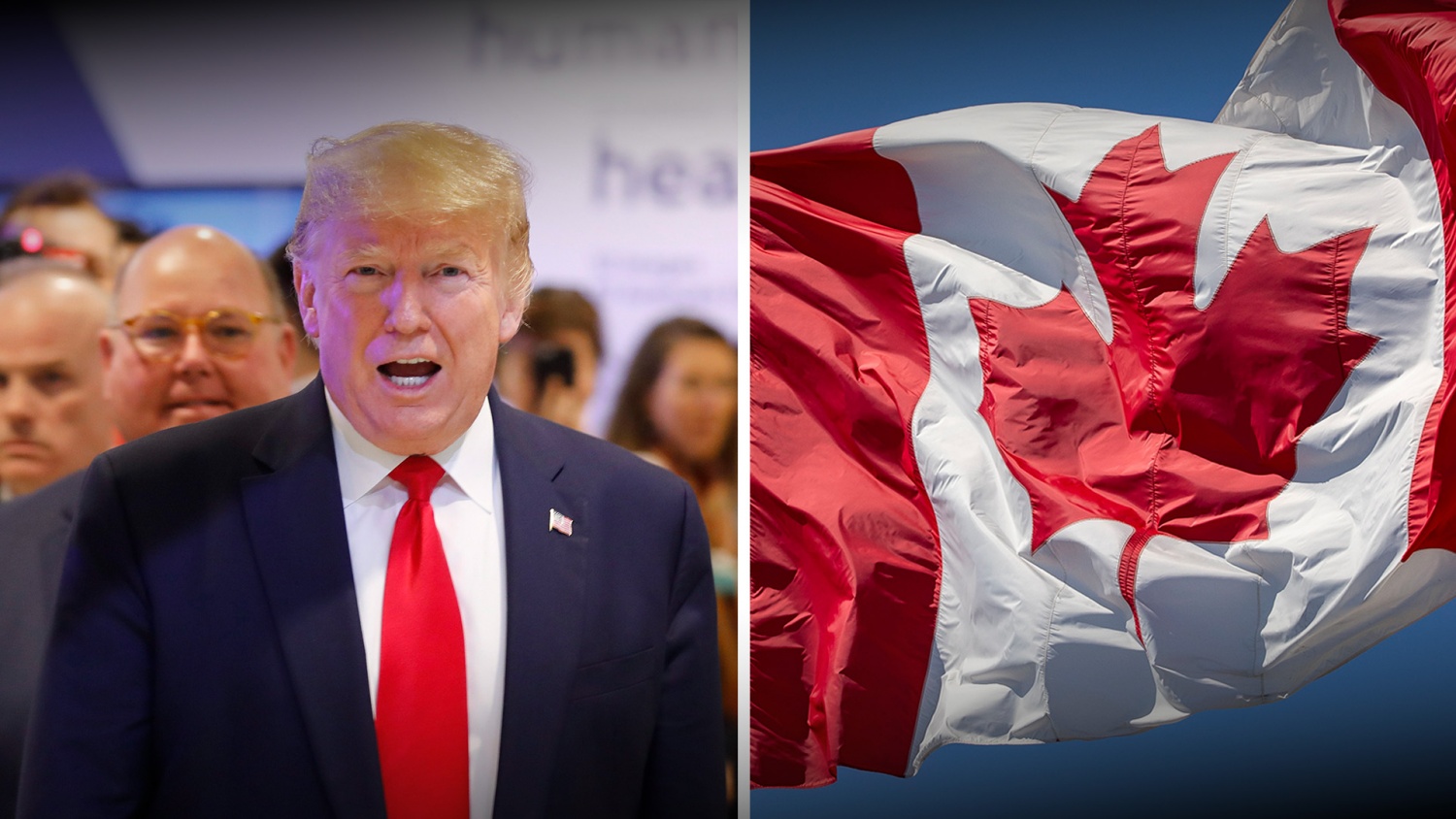
At a moment when global politics is once again being shaped by threats rather than treaties, Canada is making an unusual move for a middle power: acting early.
Before flying to China.
Before stepping into high-stakes meetings with European leaders.
Before confronting a United States president who has shown open contempt for borders, alliances, and international law.
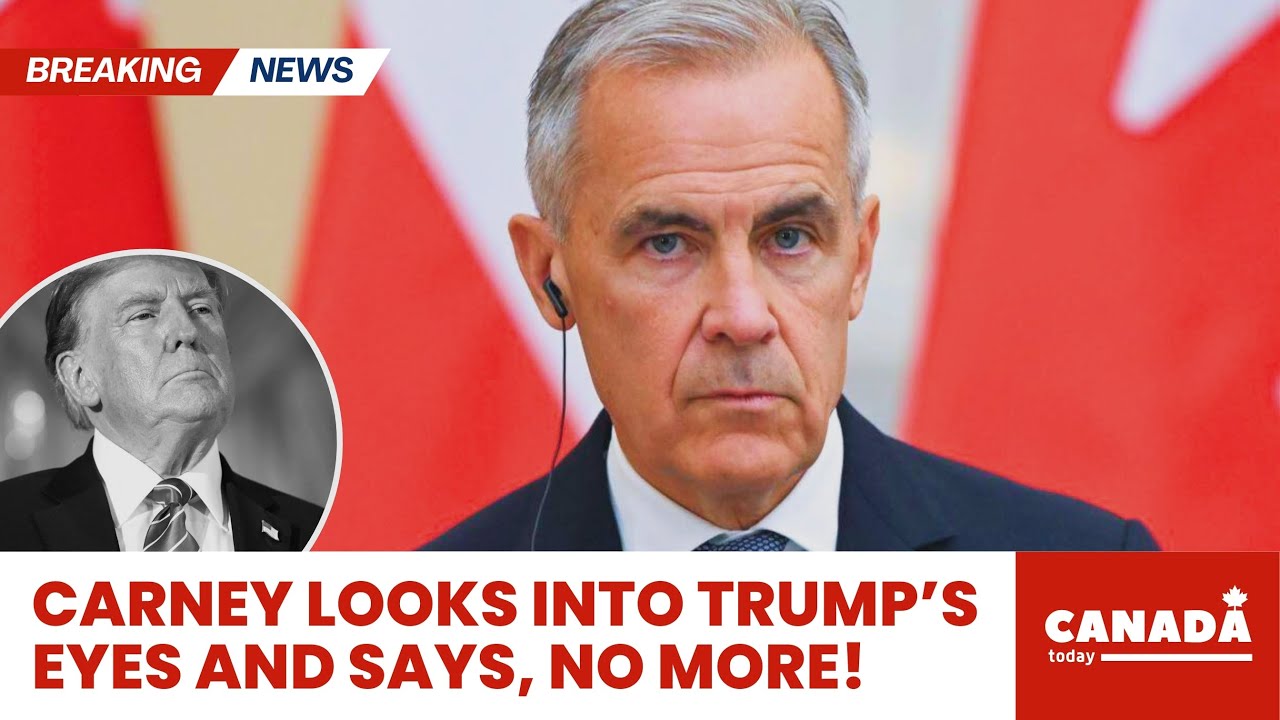
Prime Minister Mark Carney went to British Columbia.
It was not a courtesy visit. It was a strategic one.
Carney met with coastal First Nations leaders at a time when Canadian sovereignty—particularly in the Arctic and along its vast coastlines—has moved from abstraction to urgent concern. In Washington, President Donald Trump has revived rhetoric that challenges territorial norms outright: floating the idea of acquiring Greenland, escalating coercive pressure in Latin America, and issuing explicit warnings to America’s neighbors that would have been unthinkable a decade ago.
Across American political media and social platforms—from CNN panels to long-form Substack essays and viral clips circulating on X—the tone has shifted. What was once dismissed as bluster is now discussed as precedent. The question is no longer whether Trump means what he says, but how far he is willing to go.
Canada, acutely aware of its geography and dependence on rules-based order, has drawn its conclusions.
Sovereignty Is No Longer Theoretical
When Trump talks about Greenland, Canadian officials do not hear an isolated provocation. They hear a signal.
Greenland is not just a Danish territory; it is a strategic keystone of Arctic control. If territorial acquisition by pressure—or force—is normalized there, the implications radiate outward. Canadian defense analysts, former diplomats, and military planners—many of whom have been speaking openly in U.S. and Canadian media—have been blunt: once Arctic norms collapse, Canada’s northern sovereignty becomes a live question.
That is why Carney’s stop in British Columbia mattered.
Sovereignty, in Canada, is not enforced only through federal declarations. It is lived—on coastlines, in Indigenous territories, in communities that manage land, water, and conservation on the front lines of climate change and geopolitical competition. By meeting First Nations leaders first, Carney was signaling something fundamental: national unity precedes external confrontation.
As Carney himself emphasized, the visit was not about announcements but dialogue—about conservation, development, and shared responsibility for “immense precious natural heritage.” In another era, such language might have sounded ceremonial. Today, it reads as preparation.
A World Where Pressure Replaces Predictability

Trump’s approach to foreign policy has been consistent in one respect: unpredictability as leverage.
In Venezuela, pressure was applied openly and coercively. Toward Mexico, threats were framed as negotiation tactics. In Europe, long-standing security assumptions were repeatedly questioned. On American political talk shows and podcasts, former Trump officials have described this as intentional—an effort to keep allies off balance.
But for countries like Canada, unpredictability is not a negotiating style. It is a risk multiplier.
Middle powers rely on stability, institutions, and shared rules because they cannot impose outcomes unilaterally. When a major power begins to treat borders and alliances as optional, the cost is not borne first by rivals—but by allies.
That reality has driven Canada’s unusually proactive posture.
Carney did not wait for threats to land directly on Canadian soil. He moved early: publicly backing Denmark and Greenland, reinforcing ties with European capitals, and making clear—without theatrics—that intimidation would not be normalized.
This was not provocation. It was prevention.
Europe Takes Notice
European leaders did more than acknowledge Canada’s position; they rallied around it.
French officials warned publicly that threats against Greenland or Canada would undermine the entire postwar order. NATO planners, according to discussions referenced in European media, began reassessing Arctic and North Atlantic risk scenarios. Conversations shifted subtly but decisively—from if to when and how.
That kind of coordination does not emerge from grandstanding. It emerges from trust.
Carney did not attempt to dominate the diplomatic stage. He did not frame Canada as a counterweight to the United States. Instead, he positioned Canada as a stabilizer—someone focused on holding the system together while others tested its limits.
In an era where American political discourse often rewards confrontation, this approach has drawn attention precisely because it runs against the grain.
Containment, Not Escalation
While Trump escalates rhetorically—often amplified across American cable news and social media ecosystems—Carney has taken a different path.
He has absorbed pressure rather than amplifying it.
Kept allies talking rather than panicking.
Shifted focus from reaction to preparation.
This is not weakness. It is control.
As one former European diplomat remarked in a widely shared interview, “The most dangerous moment in global politics is not when threats are made, but when they are normalized.”
Canada’s strategy has been to draw lines early—quietly but firmly—before normalization takes hold.
A Layered Defense
None of this is happening in isolation.
First, Canada reinforced unity at home, recognizing that a divided country cannot withstand external pressure.
Second, it strengthened alliances abroad, understanding that intimidation works only when nations stand alone.
Third, it began accelerating economic diversification, reducing vulnerability to bilateral coercion—a tactic Trump has repeatedly used.
From Washington think tanks to independent American analysts posting on X and Substack, this pattern has been noted: Canada is building layers of resilience—political, diplomatic, economic—so that escalation does not corner it.
This is what preparation looks like in a deteriorating global environment.
The Stakes Go Beyond Canada
Trump’s actions are not merely challenges to individual countries. They are tests of whether international law still constrains power at all.
Once a major power demonstrates that borders, treaties, and alliances can be ignored without consequence, the damage spreads. Not immediately through invasions—but through precedent.
This is how instability begins: not with tanks, but with tolerated threats.
That is why Canada’s response matters beyond its size. It represents a choice—between normalization and resistance, between fragmentation and coordination.
Carney is not reacting to Trump. He is containing the damage Trump creates.
History rarely announces its turning points clearly. Sometimes leadership appears not in dramatic confront ations, but in quiet alignment—dialogue instead of declarations, coordination instead of chaos.
At a moment when the global order is visibly straining, Canada has chosen to stabilize rather than escalate. And in doing so, Mark Carney has positioned himself—not loudly, not recklessly, but deliberately—at the center of an effort to keep that order intact.
Whether the world recognizes the danger in time remains an open question. But Canada, at least, is no longer waiting to find out.