Questions of Fitness Intensify After Trump’s Online Barrage Rekindles 25th Amendment Debate
WASHINGTON — A torrent of late-morning social media posts by President Donald Trump on Tuesday has renewed a long-simmering debate in Washington over presidential fitness, as lawmakers, former officials and political commentators questioned whether the president’s conduct reflects a deeper cognitive or psychological decline — and whether existing constitutional safeguards are adequate to address it.
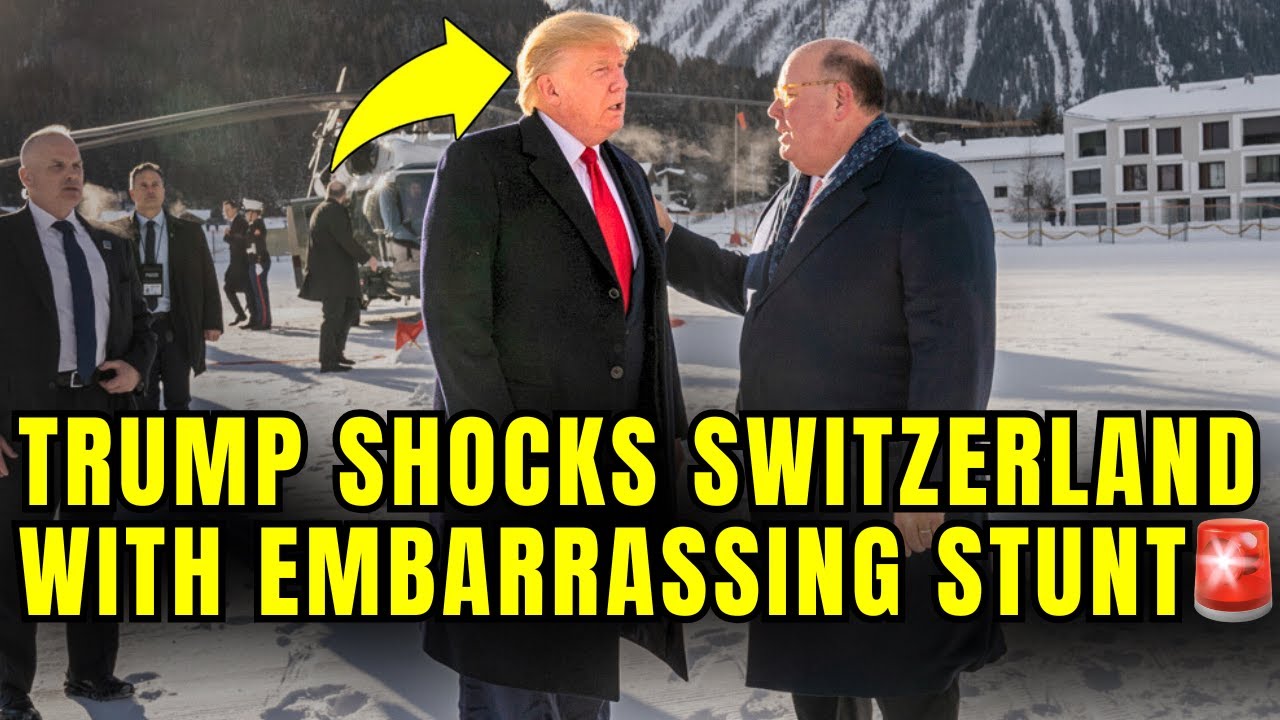
Over a span of roughly 45 minutes, Mr. Trump published more than 30 posts across his social media platform, ranging from boasts about NATO to recycled claims of election conspiracies and grievances about the Nobel Peace Prize. The barrage came as the president prepares to travel to Switzerland for the World Economic Forum, where he is expected to meet with business leaders and foreign officials amid escalating tensions with European allies.
The episode quickly reverberated across political circles, prompting renewed calls — largely from Democrats and a small number of former Republicans — to consider invoking the 25th Amendment, which provides a mechanism for removing a president deemed unable to discharge the powers and duties of the office.
“Are we watching a real-time mental health crisis?” wrote former Representative Adam Kinzinger, Republican of Illinois, in a post on Bluesky shortly after the posting spree ended. Similar reactions spread rapidly across social media, with critics arguing that the volume, tone and content of the posts suggested instability rather than strategy.
A Pattern, Not an Isolated Moment
Mr. Trump, 79, has long used social media as a primary political weapon, often blurring the line between governance and grievance. Allies argue that his online behavior is deliberate — a means of dominating the news cycle and rallying supporters. Critics counter that the frequency and nature of his posts have changed over time, becoming more erratic, repetitive and disconnected from verifiable facts.
Several of Tuesday’s posts revived long-debunked claims about voter fraud and Dominion voting machines, while others shared third-party content portraying NATO and the United Nations as enemies of the United States. One repost amplified rhetoric framing Islam not as a religion but as a “death cult,” language that civil rights organizations have repeatedly condemned as inflammatory and dangerous.
The White House did not respond to requests for comment on the posting spree or on questions about the president’s health. In the past, administration officials have dismissed such concerns as politically motivated attacks.
Old Warnings, New Urgency

Concerns about Mr. Trump’s mental fitness are not new. During his first term, several former aides and Republican lawmakers publicly questioned his grasp of reality and impulse control. In 2017, Senator Bob Corker of Tennessee described the White House as an “adult day care center,” while other officials privately raised alarms about erratic decision-making.
More recently, commentators with clinical backgrounds have avoided formal diagnoses but noted observable changes in speech patterns, memory recall, and repetition — markers that, they caution, warrant attention but cannot substitute for medical evaluation.
“The issue isn’t ideology or temperament,” said Timothy Noah, a staff writer at The New Republic, who criticized cabinet officials for normalizing what he called increasingly alarming conduct. “The issue is whether the president is cognitively capable of weighing consequences, especially when foreign policy and military decisions are involved.”
Mr. Noah and others pointed specifically to recent threats toward U.S. allies, including Norway and Denmark, following the Nobel Committee’s refusal to award Mr. Trump a peace prize — a decision made by an independent body with no formal ties to those governments.
The 25th Amendment: High Bar, Little Precedent
The 25th Amendment, ratified in 1967 after the assassination of President John F. Kennedy, allows the vice president and a majority of the cabinet to declare the president unfit. Congress must then ratify the decision within 21 days.
Despite frequent public discussion, the amendment has never been used to permanently remove a president. Its invocation requires cooperation from the very officials whose positions depend on presidential favor — a political reality that makes its use extraordinarily unlikely.
Vice President J.D. Vance has given no indication that he or the cabinet is considering such action. Republican leaders in Congress have also remained silent, even as criticism intensifies.
Senator Ed Markey, Democrat of California, was among those calling for serious consideration of constitutional remedies. “When a president repeatedly amplifies conspiracy theories and threatens alliances that have kept global stability for decades, Congress has a duty to ask hard questions,” he said in a statement.
Allies Watching Closely
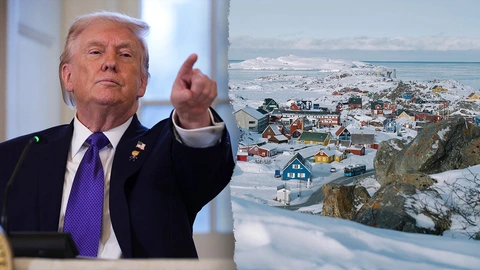
The timing of the controversy is particularly sensitive. Mr. Trump’s renewed demands that the United States assert control over Greenland — a Danish territory — have already strained relations with European partners. Diplomats privately express concern that online rhetoric may translate into impulsive policy moves.
“Foreign leaders don’t distinguish between posts and policy,” said one former State Department official, speaking on condition of anonymity. “When the president speaks, the world listens — and reacts.”
Markets, too, have shown unease, with analysts noting that erratic presidential communication can exacerbate volatility, particularly when it touches on trade, security alliances or military commitments.
Political Risk and Public Trust
For Democrats, pressing the issue carries political risk. Overreach could reinforce Republican claims of elitism or weaponized concern. Yet silence, many argue, carries its own cost.
Public trust in institutions, already fragile, depends in part on the perception that there are guardrails when power appears untethered from restraint.
Whether Tuesday’s episode marks a turning point or simply another escalation in a long pattern remains unclear. What is evident is that questions once confined to private conversations are now playing out in public — in posts, statements and demands for accountability.
As Mr. Trump boards Air Force One for Europe, the debate he leaves behind is unlikely to subside. The constitutional machinery exists. The political will, as ever, is another matter entirely.