How a Crackdown on Venezuelan Oil Opened the Door for Canada in Asia

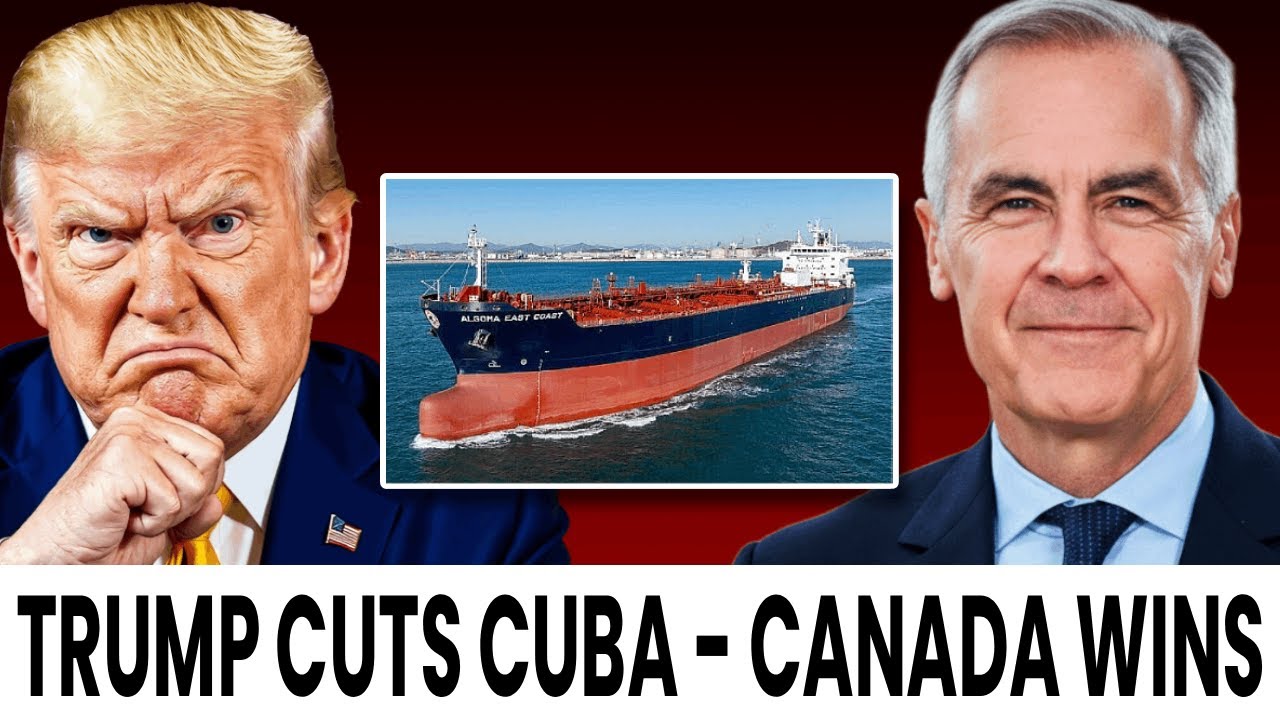
WASHINGTON — When President Trump declared earlier this month that Venezuela’s oil lifeline to Cuba was over — “no oil and no money, zero,” he wrote on social media — the immediate consequences were visible and dramatic. Power outages spread across Cuba as fuel shipments stopped almost overnight. But beyond the island’s blackouts, the decision set off a quieter, more consequential chain reaction in global energy markets, one that is now reshaping Canada’s role as a major oil supplier to Asia.
The move, announced on Jan. 11, was framed by the White House as a pressure tactic aimed at Havana and Caracas alike. Venezuela, long crippled by sanctions, mismanagement and corruption, had continued sending roughly 35,000 barrels of oil per day to Cuba under a decades-old arrangement exchanging subsidized fuel for security and intelligence support. That flow ended abruptly.
What followed was not just a humanitarian or political shock, analysts say, but a structural rupture in the global market for heavy crude — the thick, sulfur-rich oil used by specialized refineries. And Canada, long constrained by geography and infrastructure, suddenly found itself in a position of unexpected leverage.
A Market Built on Heavy Oil
Heavy crude occupies a narrow but critical niche in the oil economy. Refineries designed to process it cannot easily switch to lighter grades without costly retrofits. For years, Venezuela and Canada have been the world’s two most significant suppliers of this type of oil, often competing for the same buyers.
Even in decline, Venezuela mattered. Before the latest U.S. intervention, it was producing about 900,000 barrels a day, down sharply from its 1970s peak but still enough to anchor refinery supply chains in North America and Asia. China alone imported roughly two-thirds of Venezuela’s exports in 2023, while India relied on smaller but still important volumes.
When Washington moved to assert tighter control over Venezuelan oil flows — redirecting barrels toward U.S. refineries and cutting off shipments to allies like Cuba — it effectively removed a key supplier from Asian markets. The result was an immediate scramble.
“Refiners can’t wait years for Venezuela to rebuild,” said one energy analyst who tracks global heavy crude flows. “They need a replacement now, and there are very few countries that can step in.”
Canada’s Long Game Pays Off
Canada is one of them. For decades, Alberta’s oil sands produced vast quantities of heavy crude that were largely locked into the United States by geography and pipeline routes. The lack of direct access to overseas markets forced Canadian producers to accept discounted prices and left them vulnerable to American political pressure.
That began to change with the completion of the Trans Mountain pipeline expansion, which now allows Canadian oil to reach the Pacific coast and be shipped directly to Asia. The project, delayed for years by legal challenges and environmental opposition, came online just as Venezuelan supply was being pushed out of Asian trade routes.
“The timing is remarkable,” said a senior executive at a Canadian energy firm involved in talks with Asian buyers. “This is exactly the scenario those pipelines were built for, even if no one could predict it would arrive this way.”
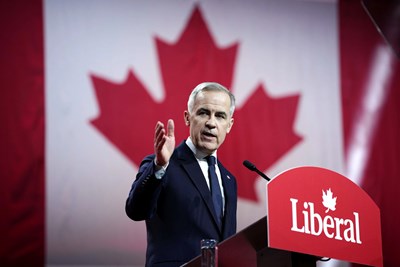
Prime Minister Mark Carney, who has emphasized diversification since taking office, moved quickly to capitalize. Speaking in Europe days after the U.S. announcement, he highlighted Canada’s “reliable, competitive energy products” and the need to reduce dependence on any single market — a message widely interpreted as aimed at China and India.
In Alberta, Premier Danielle Smith was more direct, arguing that the situation underscored the necessity of pipelines “in every direction.” Industry groups echoed the sentiment, noting that Canadian producers are ready to scale output if long-term demand materializes.
Asia Looks for Stability
For Asian refiners, the appeal of Canadian oil is less about price than predictability. Over the past decade, trusted suppliers have become unreliable. Venezuelan output collapsed. Russian exports were thrown into uncertainty by the war in Ukraine and sanctions. Middle Eastern supplies remain abundant but vulnerable to regional conflict and maritime choke points.
Canada, by contrast, offers what one Beijing-based commodities trader called “boring oil” — delivered on schedule, under enforceable contracts, without sudden political upheaval.
“In today’s market, boring is valuable,” the trader said. “Energy security is the priority.”
China, facing the loss of its largest heavy crude supplier, is now exploring long-term contracts with Canadian producers, according to industry officials. India, which halted Venezuelan imports last year, has also signaled openness to Canadian supply. These are not short-term stopgaps but multiyear agreements that can lock in relationships well beyond any eventual Venezuelan recovery.
Why Venezuela Can’t Bounce Back Quickly
Even if U.S. policy toward Caracas were to soften, few experts expect a rapid comeback. Venezuela’s oil infrastructure has been hollowed out by decades of neglect. Pipelines and ports are outdated, refineries are in disrepair, and skilled workers have fled. The state oil company has estimated that restoring production would require roughly $58 billion in investment.
Under optimistic scenarios, meaningful recovery would take years, perhaps a decade. In the meantime, refineries that retool their operations around Canadian crude will have little incentive to switch back.
This pattern has precedent. When Venezuelan output declined in the 2000s, U.S. Gulf Coast refineries turned to Canada — and largely stayed there even when some Venezuelan barrels returned.
A Shift in Leverage
The broader implications are geopolitical. Energy partnerships often anchor wider diplomatic and trade relationships. For China and India, dependence on Canadian oil creates incentives to maintain stable ties with Ottawa. For Canada, expanded access to Asia reduces vulnerability to policy shifts in Washington.
Ironically, a move intended to consolidate American influence over Western Hemisphere energy may end up weakening it. By redirecting Venezuelan oil toward U.S. buyers, Washington forced Asian refiners to look elsewhere — and Canada was ready.
“This doesn’t mean Canada stops selling to the United States,” said an energy policy expert in Toronto. “But it does mean Canada has options. And options equal leverage.”
As tankers carrying Canadian crude begin making more frequent voyages across the Pacific, the effects of this realignment are already being felt. Prices are firmer. Contracts are longer. And a country long described as energy-rich but market-poor is, at last, becoming a truly global supplier.
President Trump set out to reshape energy flows through pressure and control. Instead, he may have accelerated a shift that gives Canada a larger role on the world stage — and leaves Asia with a new, steady source of the heavy oil it needs.