Federal Control of Minneapolis Shooting Investigation Raises Questions About Transparency
MINNEAPOLIS — The fatal shooting of 37-year-old Renee Nicole Mlin Good by a federal immigration officer in Minneapolis has intensified a national debate over law enforcement accountability, the role of video evidence, and the balance of authority between federal and state investigators.
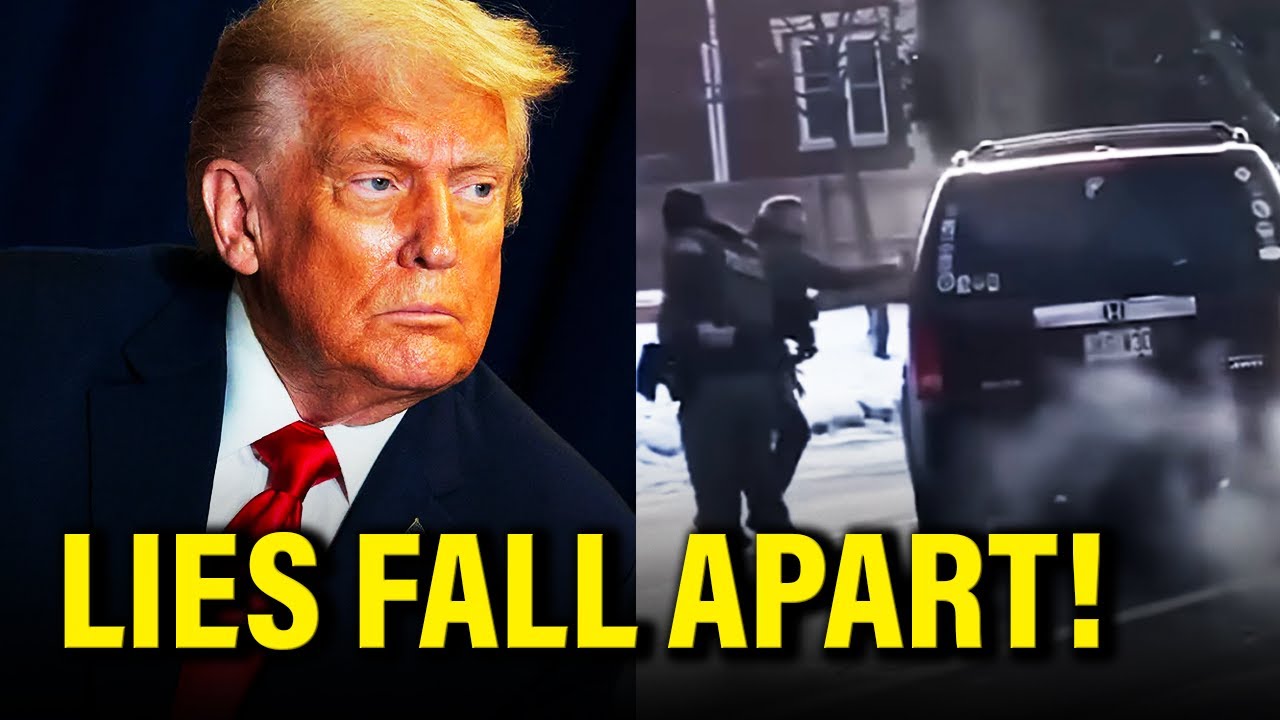
Ms. Mlin Good was killed during an encounter involving Immigration and Customs Enforcement officers on a city street, an incident that was partially captured on video and quickly circulated online. The footage, reviewed by news organizations and legal analysts, appears to show Ms. Mlin Good reversing her vehicle at low speed as officers approached. Moments later, shots were fired, and her vehicle rolled forward into a nearby object. She was pronounced dead at the scene.
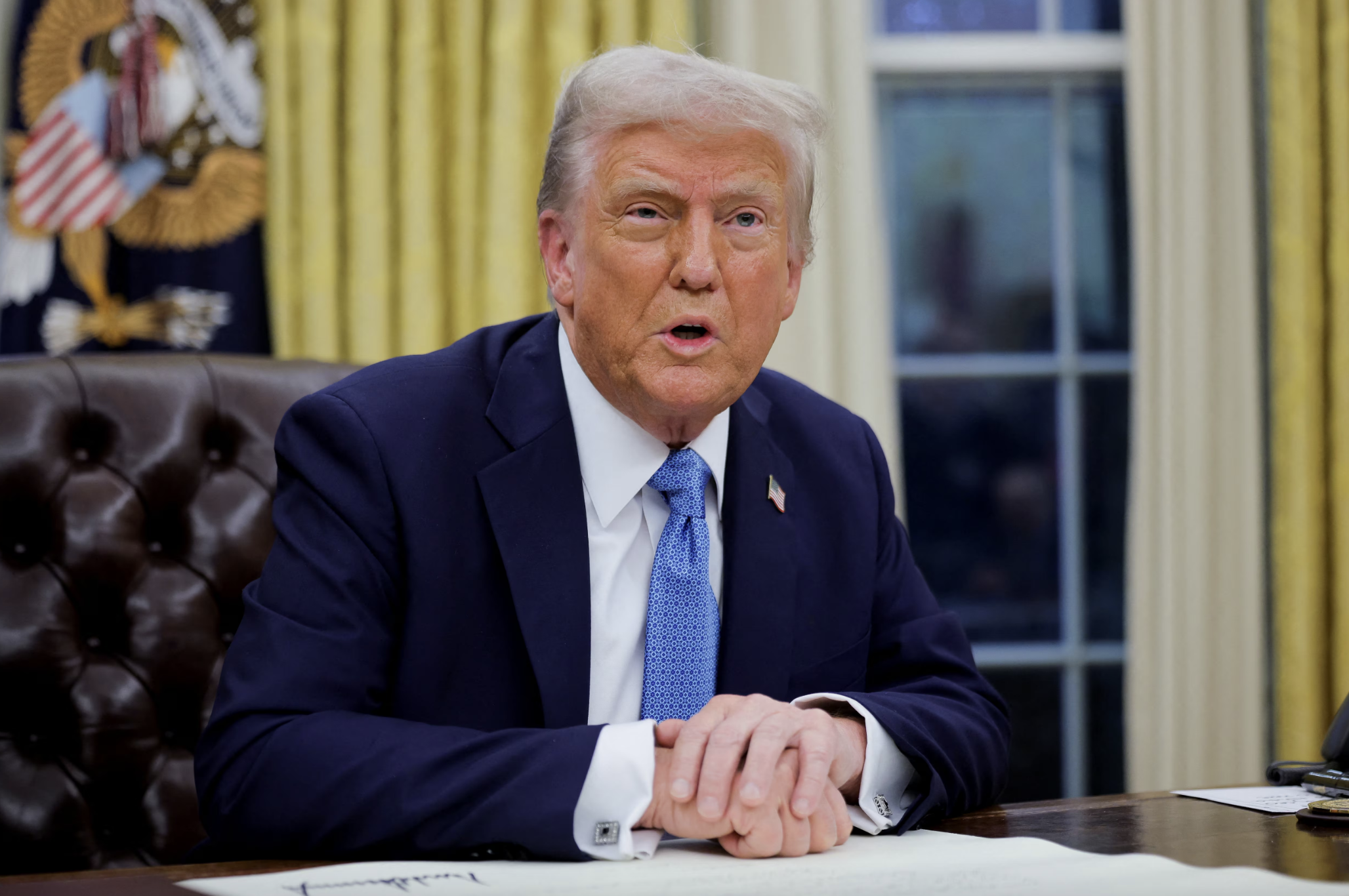
Within hours of the shooting, senior federal officials characterized the incident as an act of self-defense, asserting that the officer involved had been threatened by the vehicle. Homeland Security Secretary Kristi Noem and Vice President JD Vance publicly described the shooting as justified, with Mr. Vance stating that the officer was protected by federal immunity. Former President Donald J. Trump echoed those assertions, criticizing the victim’s actions after reviewing the footage.
Minnesota officials, however, expressed concern that those statements were made before an independent investigation had been completed. Governor Tim Walz said that public conclusions drawn by federal leaders made it difficult to believe that the process would be impartial. His comments came after the Minnesota Bureau of Criminal Apprehension announced it had been blocked from accessing key evidence and would no longer participate in the investigation.
Federal authorities subsequently confirmed that the case would be handled exclusively by the Federal Bureau of Investigation. The decision effectively removed the inquiry from state oversight, prompting objections from state and local leaders. Minneapolis Mayor Jacob Frey publicly requested that federal immigration agents withdraw from the city, arguing that their presence had contributed to heightened tensions.
The administration rejected those calls, announcing instead that additional federal agents would be deployed to Minnesota. White House officials framed the move as a response to concerns about officer safety, citing a rise in assaults against immigration personnel. Civil liberties advocates said the figures were presented without sufficient context and warned against conflating protest activity with criminal conduct.
Legal experts note that video evidence has increasingly shaped public expectations of transparency in police shootings, even as officials caution that footage may not capture all relevant factors. The rapid divergence between what many viewers perceived in the video and the official narrative has fueled skepticism among members of the public and renewed scrutiny of how such cases are investigated.
Ms. Mlin Good, a Minneapolis resident and mother, had no publicly disclosed criminal record related to the incident. Questions surrounding the shooting, the decision to federalize the investigation, and the statements made by national leaders continue to reverberate beyond Minnesota.
As the FBI proceeds with its review, the case has become emblematic of broader tensions in American public life: disputes over the use of force, the credibility of official accounts, and whether investigative processes can maintain public trust when authority is centralized and conclusions appear to precede inquiry.