A new YouTube video titled “Ivanka Attacked Obama’s Legacy on Live TV — His Response Left Her Crumbles” presents itself in the familiar cadence of televised political drama: bright lights, a packed studio, and a confrontation that supposedly turns on a single, devastating line.
But the clip functions less like a reported account than a piece of narrative entertainment — one of many online videos that borrow the visual language of news and the emotional pacing of prestige TV to deliver a clear moral: calm authority beats showmanship, and silence can be more powerful than a speech. Similar “Obama vs. Ivanka” videos circulate on YouTube with near-identical framing, reinforcing how this format has become a small genre of its own.
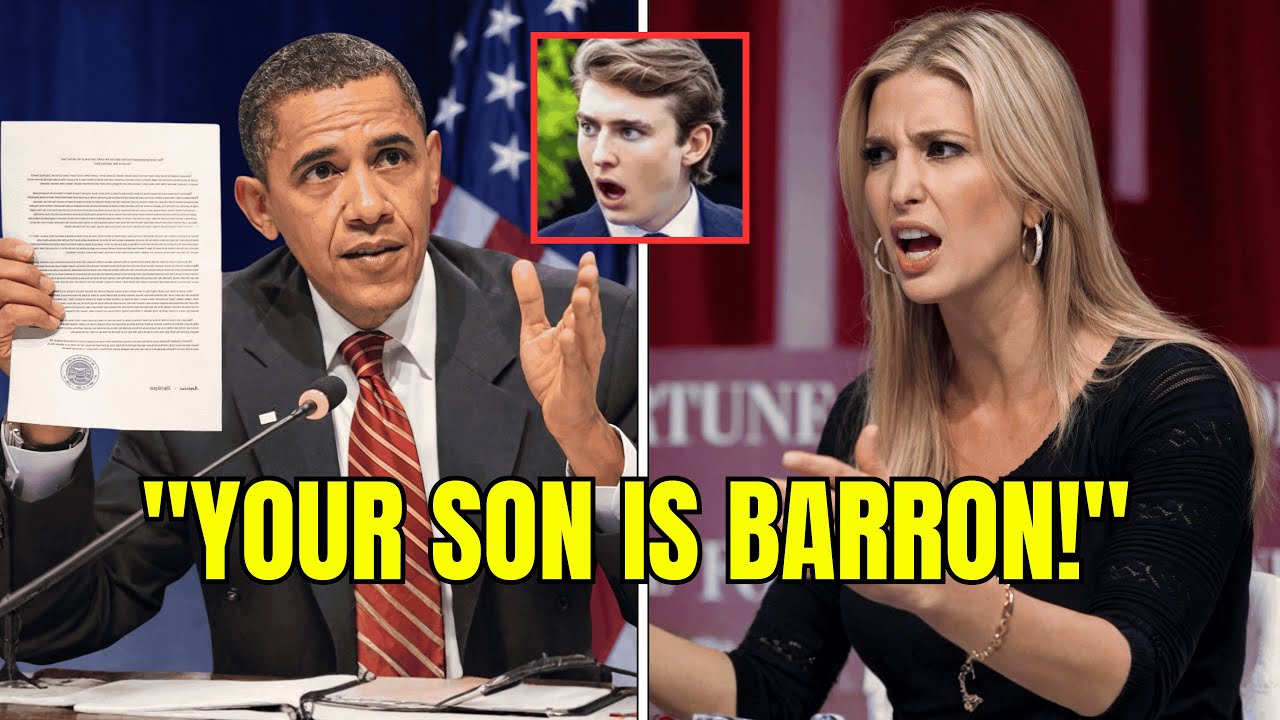
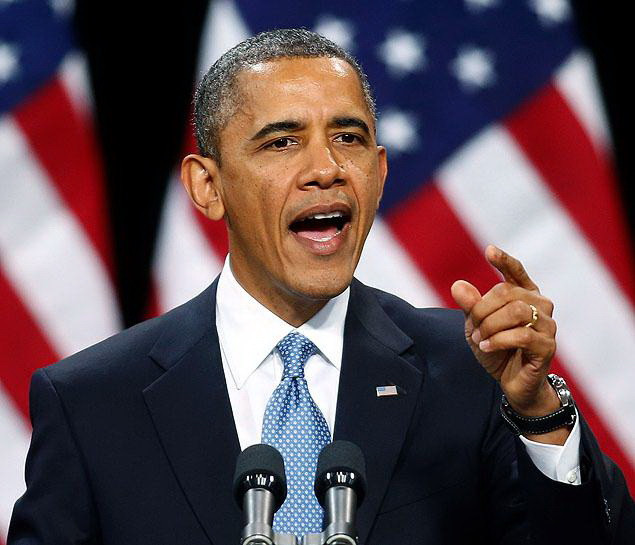
In the video’s storyline, Ivanka Trump is cast as a polished provocateur, opening with a critique of Barack Obama’s leadership style — “results over speeches” — and positioning her family’s brand of politics as decisive action. Obama, in contrast, is portrayed as almost unnervingly composed, letting her argument run long enough to expose its edges before responding with questions that shift the burden of proof back to the speaker. The performance is designed to feel journalistic, yet it follows the rhythms of scripted escalation: tension, pause, reversal, and a “moment” that viewers can replay and share.
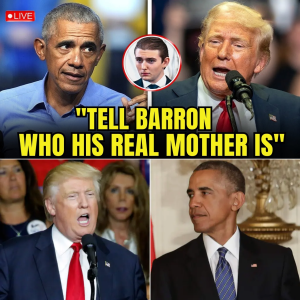
The hinge point arrives not as a policy rebuttal but as a personal, loaded question about family. In the clip, Obama asks whether “Baron” is Ivanka’s son — a prompt presented as a test of composure rather than a claim supported by evidence. In reality, Barron Trump is publicly known as Donald and Melania Trump’s child, and the video offers no verification for insinuations it flirts with; the shock value comes from forcing an on-air subject change to something intimate and uncomfortable.
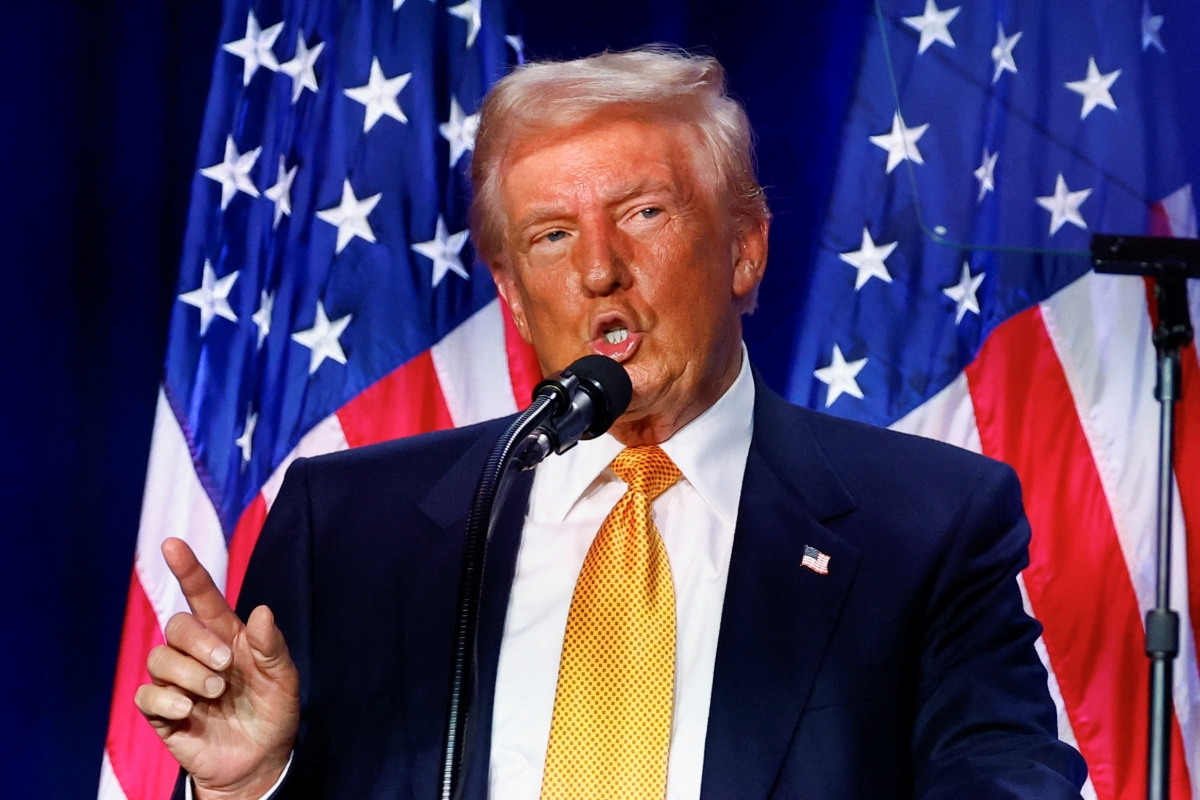
That tactic — sliding from public record to private insinuation — is part of why such videos travel. They encourage viewers to treat politics as courtroom drama, where the most shareable “truth” is not necessarily a fact but a posture: who stays calm, who looks rattled, who “wins” the room. The comment economy rewards clean turning points, even when real political disagreement is messy, incremental, and hard to compress into a single exchange.
What the video ultimately sells is a kind of emotional fact-checking. Obama’s restraint, in this telling, becomes proof of credibility; Ivanka’s hesitation becomes proof of weakness. It’s satisfying, symmetrical, and easily legible — the same qualities that make it unreliable as a guide to what actually happened, and highly effective as content engineered for engagement.
The larger story, then, is not whether a debate unfolded exactly as described, but why audiences keep clicking on narratives that look like news while behaving like fiction: they offer clarity in place of complexity — and a neat ending in a political moment that rarely provides one.