Late-Night Scrutiny Meets a Turbulent News Cycle as Trump Faces Fresh Questions About Rhetoric and Power
In a recent monologue that spread quickly online, Jimmy Kimmel set aside the easy punchlines and did something closer to a newsroom exercise: he walked viewers through a sequence of events, one date and statement at a time, arguing that the country’s political temperature is being raised not only by policy decisions but by a style of leadership that treats provocation as strategy.
The segment drew on a cluster of developments that have unfolded in January, including a tense confrontation during President Donald Trump’s visit to a Ford facility in Michigan. Video circulated of Trump appearing to direct an obscene gesture and profanity toward a heckler, an episode the White House defended as an “appropriate” response.
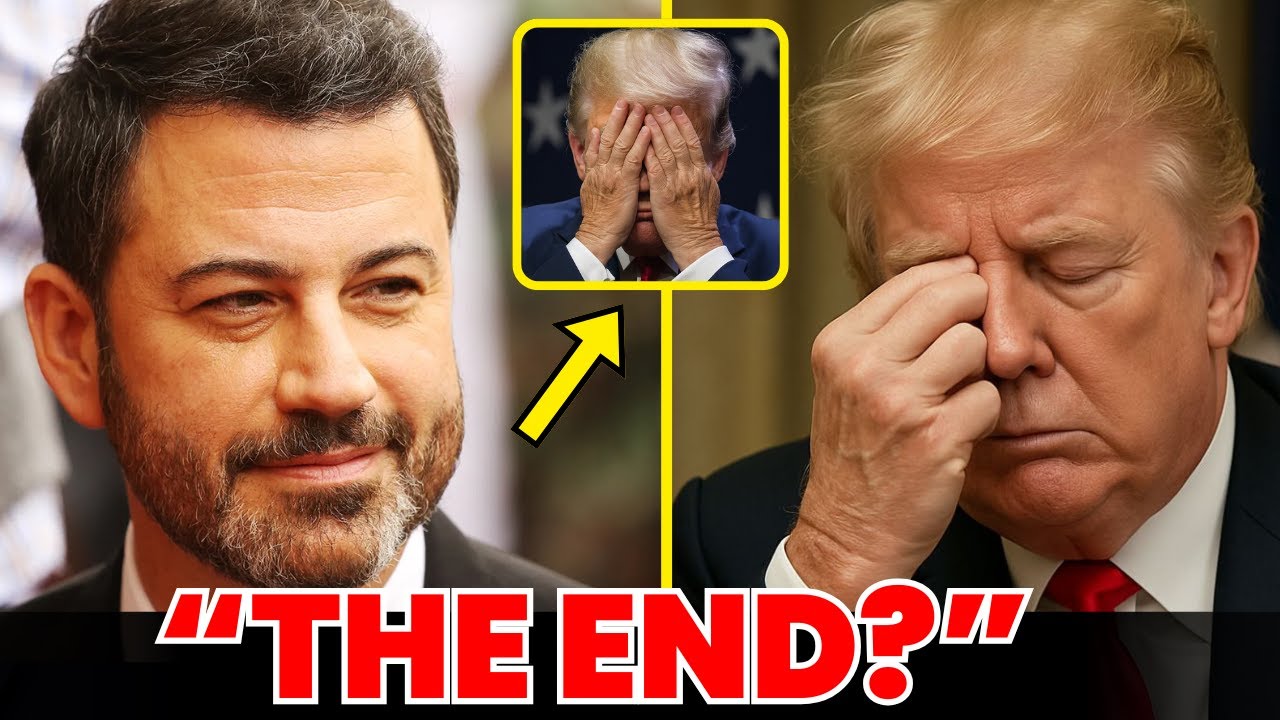
Kimmel framed the moment less as a gaffe than as a signal: a president meeting public criticism with hostility instead of persuasion. In that reading, the exchange becomes part of a broader pattern in which attention is pulled toward conflict and away from verification.
The stakes became sharper in Minneapolis, where protests intensified after a fatal shooting involving an Immigration and Customs Enforcement officer. Federal officials said the victim, Renee Nicole Good, was allegedly attempting to run over law enforcement officers when she was shot; local officials disputed that account. The episode has fueled a wave of demonstrations, clashes with law enforcement, and debate over how immigration operations are being conducted.
Amid the unrest, Trump threatened to invoke the Insurrection Act to send military forces into the city, later telling reporters he did not see a reason “right now” to use it, according to ABC News’ live updates. Defense officials put active-duty troops on alert as state authorities mobilized the National Guard. For critics, the whiplash between escalation and restraint illustrated how quickly rhetoric can reshape the public atmosphere, even before any formal action is taken.
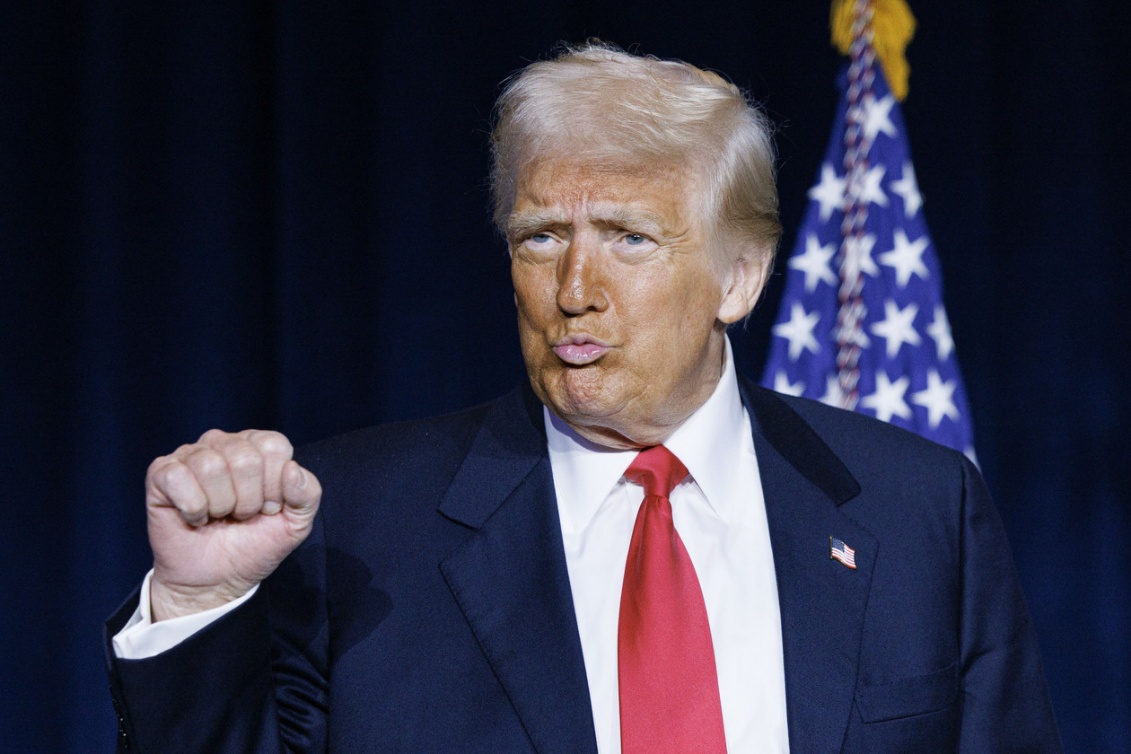
Kimmel’s larger argument was less about one speech or one post than about the consequences of treating “what people are saying” as a governing standard. When leaders amplify unverified claims—then shift blame when challenged—the result, he suggested, is a politics that rewards volume over accuracy.
That concern extends beyond domestic disputes. This week, Trump’s renewed demands regarding Greenland have added tension to U.S. relations with Denmark and unsettled Greenlanders, some of whom have described fear and sleeplessness as the rhetoric has intensified. The Associated Press reported that Danish officials have acknowledged a “fundamental disagreement” with Trump over the island.
Late-night comedy has long functioned as an unofficial pressure gauge—part catharsis, part accountability theater. But the Kimmel segment’s tone suggested something more sober: that in an era of rapid amplification, entertainment can become one of the few formats still willing to slow down, replay the tape, and ask whether the record matches the claims.
Kimmel did not call for disruption. He called for attention—an insistence that the timeline matters, that repeated assertions are not the same as established facts, and that a democracy depends on institutions and citizens who keep asking, calmly, what is true.