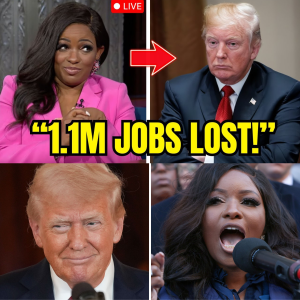
A Viral Fantasy About Power, Celebrity and the American Appetite for Confrontation
In recent days, a dramatic story has circulated online describing a prime-time town hall in which Samuel L. Jackson publicly dismantles Donald Trump’s long-standing claims about intelligence and achievement. The account is cinematic: a tense auditorium, a booming former president, a calm actor armed with documents, a devastating numerical reveal. It reads like a screenplay written for a moment of national catharsis.
It is also not real.
No such town hall took place. No verified records show Samuel L. Jackson confronting Mr. Trump onstage with archival test scores. No newly unsealed documents from a military academy have emerged to settle, once and for all, arguments about Trump’s intellect. What exists instead is something more revealing than the event itself: a viral political fable, shared widely because it feels emotionally true to millions of readers, even if it is factually false.
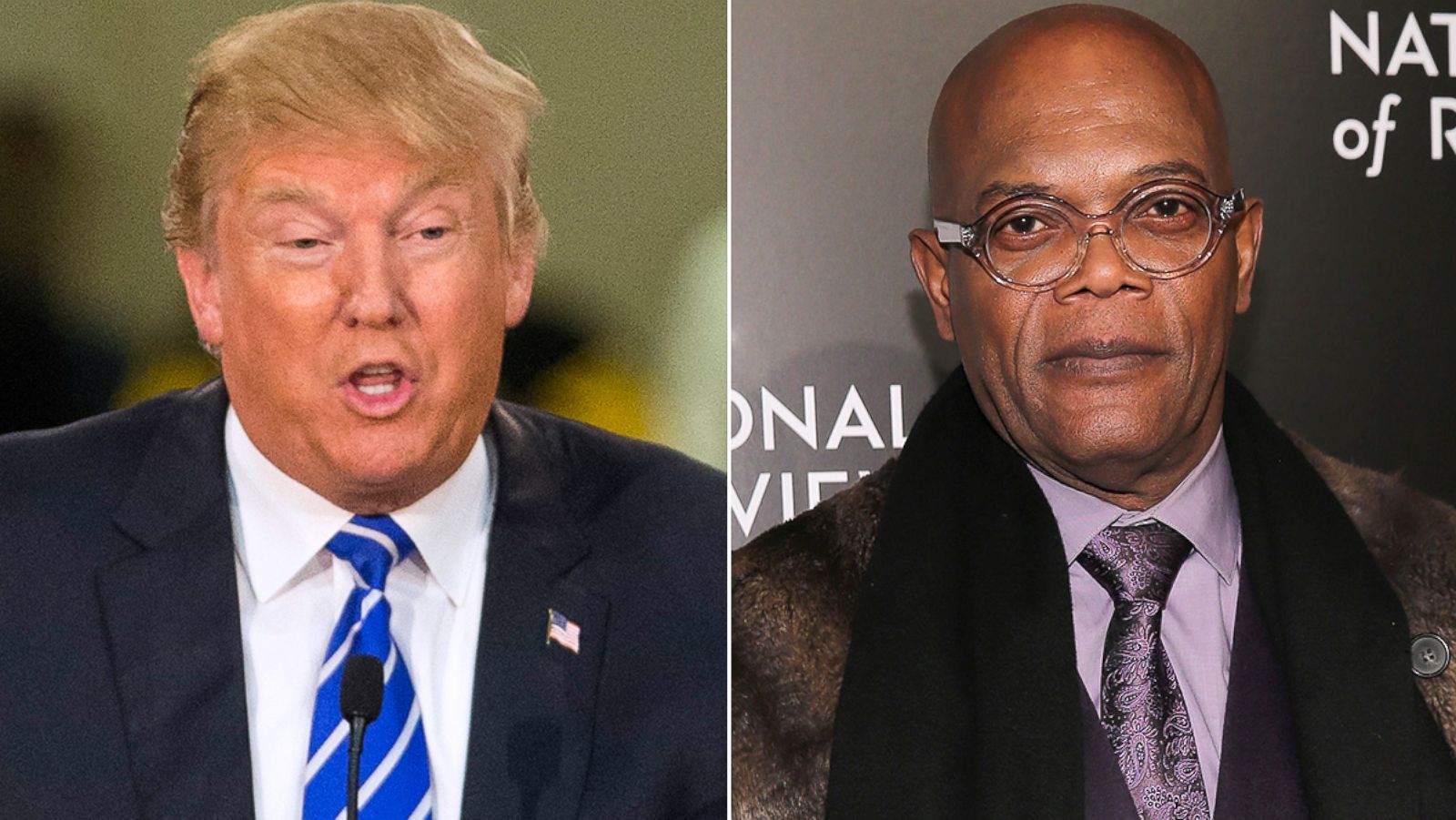
The popularity of the story says less about Trump or Jackson than it does about the political moment. It reflects a deep hunger for scenes in which power is punctured cleanly, publicly and decisively. For nearly a decade, Mr. Trump has dominated American politics through spectacle, repetition and confrontation. He boasts. He denies. He mocks. And critics, exhausted by the circularity of it all, often fantasize about a single moment when the performance collapses under the weight of evidence and composure.
In the viral narrative, Samuel L. Jackson is not really a movie star. He is a stand-in for the audience: unflappable, unimpressed and armed with receipts. Trump, by contrast, is portrayed as bluster without ballast, undone not by insult but by documentation and calm ridicule. The story borrows the language of late-night comedy, courtroom drama and moral reckoning, blending them into a confrontation that never happened but feels plausible because it aligns with familiar archetypes.
This is not new. American political culture has long produced apocryphal stories that function as emotional truth rather than historical record. Abraham Lincoln’s folksy one-liners, Lyndon Johnson’s bathroom diplomacy, even apocryphal Churchill quips all grew in the retelling because they satisfied a collective desire to see character distilled into a single moment. What is different now is the speed and scale. Social media allows such stories to spread instantly, stripped of caveats, often presented as breaking news rather than imaginative commentary.
The Trump era has been particularly fertile ground for this phenomenon. His habit of exaggeration and self-mythologizing invites counter-myths that reverse the power dynamic. Where he claims genius, critics imagine exposure. Where he mocks celebrities, they imagine celebrities mocking back, but with surgical precision. These stories thrive because they offer closure in a political environment that rarely provides it.
Late-night television has helped blur the line between satire and documentation. Hosts like Stephen Colbert and Jimmy Kimmel often use real clips, real quotes and real records to dismantle political narratives. Their work is comedic, but it is rooted in verifiable material. Viral stories like the Jackson confrontation mimic that structure—props, pauses, devastating reveals—without the underlying reporting. They look like truth because they borrow the aesthetics of truth.
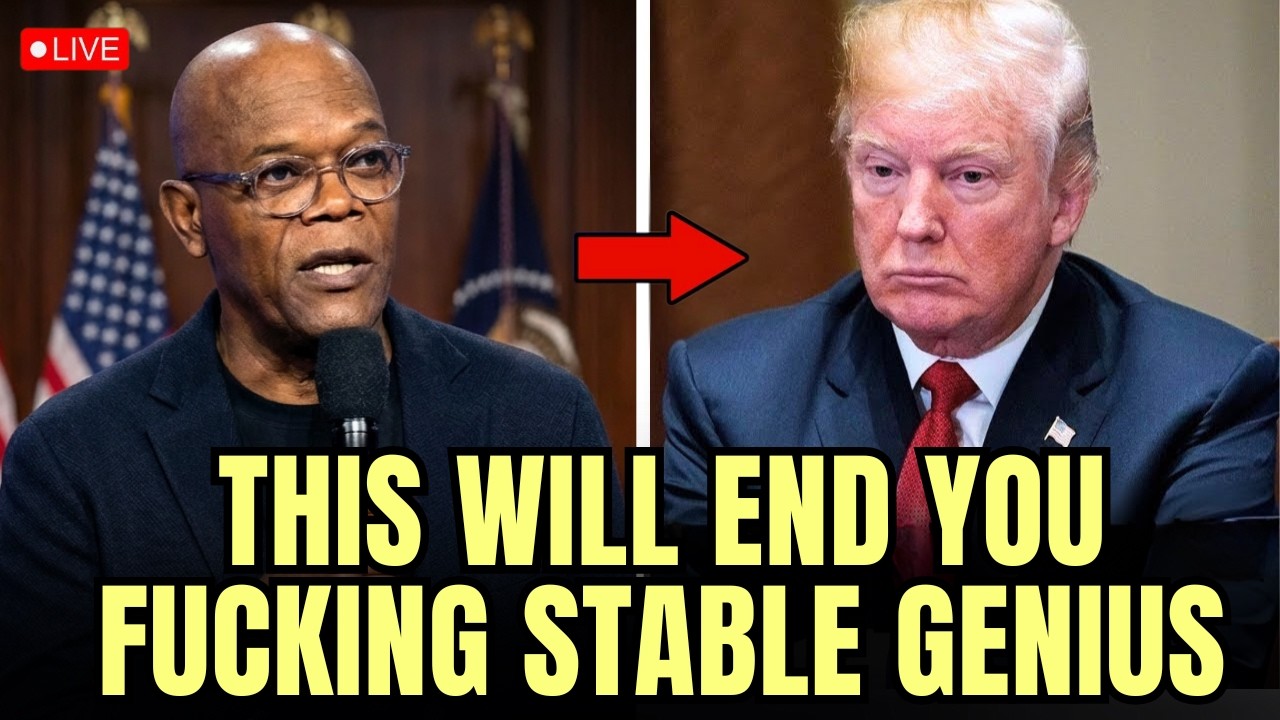
The danger is not that people enjoy fiction. The danger is that fiction presented as fact further erodes a shared sense of reality. When audiences cannot easily distinguish between an imagined reckoning and an actual event, political discourse becomes less about what happened and more about what should have happened. That shift may feel satisfying, but it leaves the harder work—accountability through institutions, journalism and elections—unchanged.
At the same time, dismissing these stories outright misses their diagnostic value. They are symptoms of frustration, of a public weary of endless provocation without consequence. They reveal a longing for moments when arrogance meets limits, when documents matter more than volume, and when power is made to answer plainly.
In that sense, the fictional town hall is not about Samuel L. Jackson humiliating Donald Trump. It is about Americans imagining a world in which noise gives way to clarity. The applause at the end of the story is not for an actor, but for the idea that facts, delivered calmly, can still stop the show.
That belief, however strained, remains worth protecting. But it will not be realized through viral fantasies. It will be realized through the slower, less cinematic work of evidence, skepticism and restraint—tools far less entertaining than a standing ovation, but far more real.