In a media ecosystem built for speed and outrage, a recent viral YouTube narrative makes a different wager: that the most damaging critique of power is not a shout, but a record.
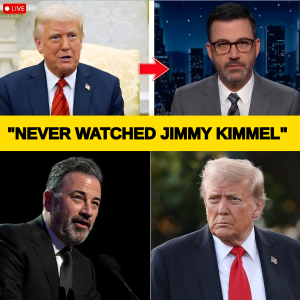
The video, framed as a long-running clash between President Donald Trump and two entertainers—Jimmy Kimmel and Rosie O’Donnell—threads together archival clips, late-night monologues and social-media posts to argue that Trump’s sharpest adversaries are often not politicians or journalists, but comedians with timelines. Its central claim is less about any single joke than about a pattern: when confronted with pointed ridicule or inconvenient facts, Trump responds not by engaging the substance but by attacking the messenger, escalating the fight, and moving on.
There is real history to draw from. O’Donnell’s feud with Trump is commonly traced to a 2006 segment on The View, when she mocked his public handling of a Miss USA controversy and memorably branded him a “snake-oil salesman,” helping turn a celebrity spat into a durable political reference point.
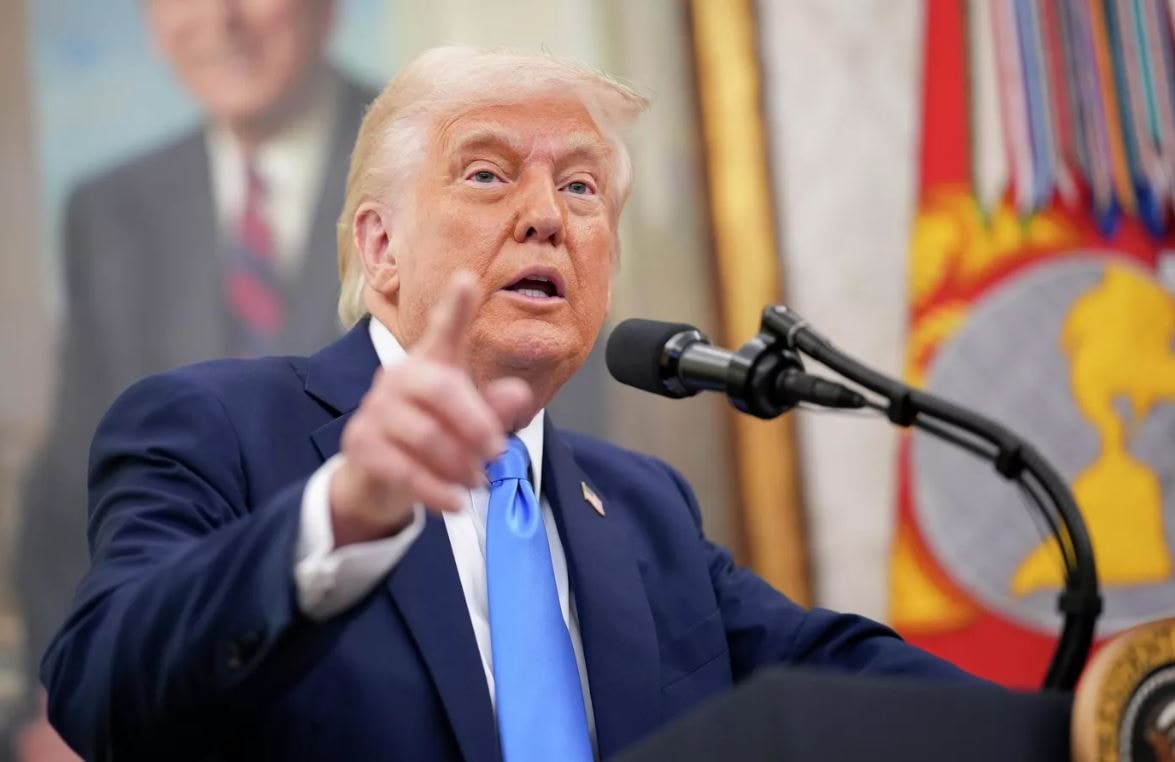
The video’s more recent scenes rely on events that did, in fact, occur—though often with the polish of dramatization. In March 2025, during an Oval Office meeting with Irish Prime Minister Micheál Martin, a reporter asked why Ireland would “let” O’Donnell move there; Trump responded with a quip that landed as a continuation of the feud. And in July 2025, Trump floated the idea of stripping O’Donnell of her U.S. citizenship, a threat legal experts quickly noted is far more complicated than a presidential declaration.
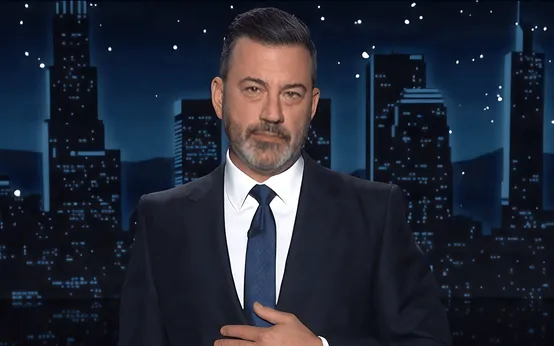
Where the YouTube account becomes most consequential is in how it connects comedy to institutional power. It points to a separate controversy that pulled late-night television into the regulatory realm: the 2025 dispute involving FCC Chairman Brendan Carr and ABC’s temporary suspension of Kimmel after remarks tied to the killing of conservative activist Charlie Kirk. Carr denied that government pressure caused the suspension, while critics—including lawmakers—argued his public warnings sounded like coercion, especially as some station groups reportedly dropped the show. Civil-liberties advocates called the episode a troubling example of how quickly political intimidation can chill speech, regardless of whether formal penalties follow.
In the end, the video’s argument is not that comedians replace journalism. It is that entertainment, when it slows down and shows receipts—dates, quotes, reversals—can expose something audiences recognize instinctively: the difference between rebuttal and deflection. In that framing, the punchline is not the point. The record is.