War With Iran Escalates as U.S. Weighs Deeper Military Commitment and Regional Fallout Grows
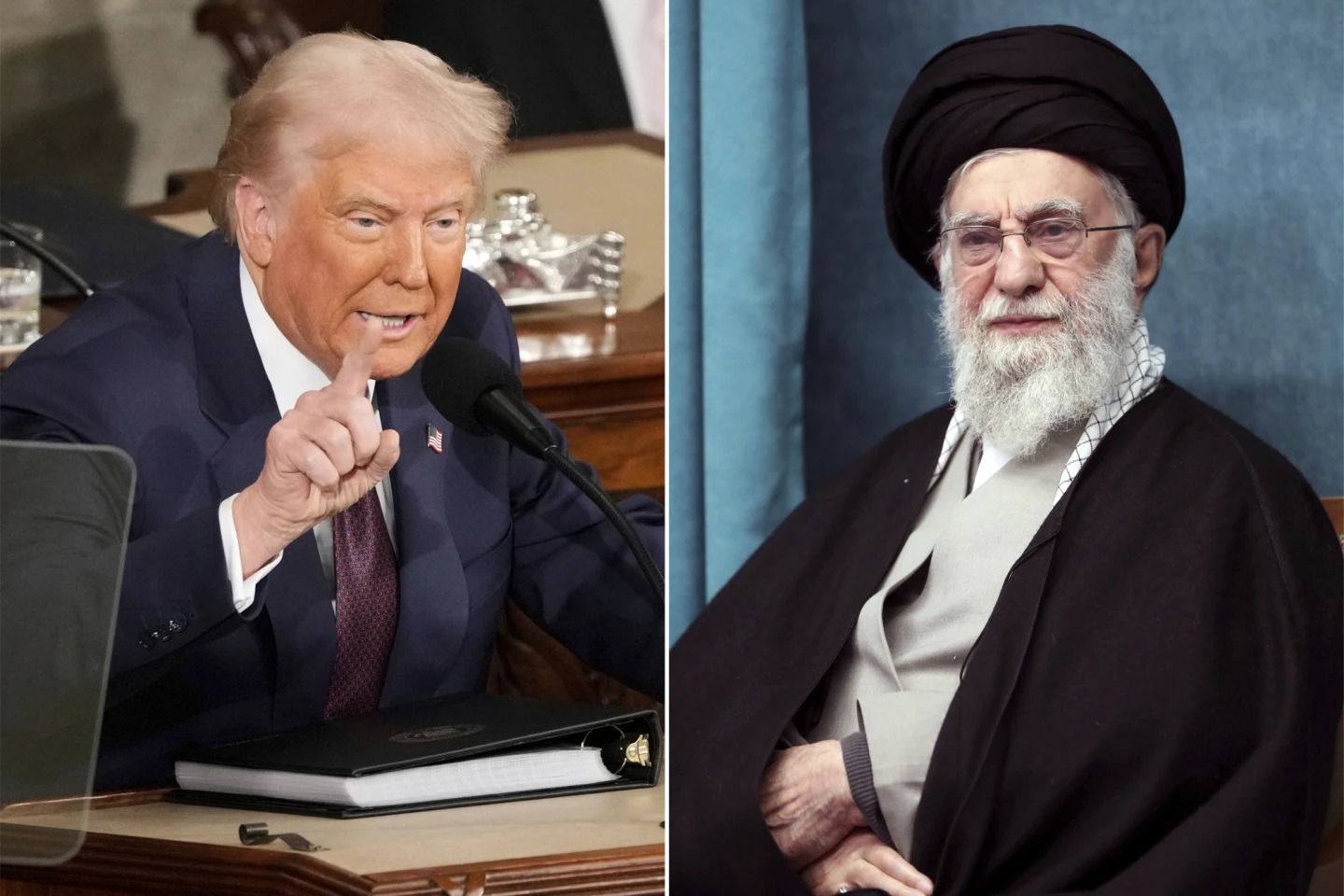
The widening conflict between the United States and Iran is rapidly reshaping the security landscape of the Middle East, raising fears among diplomats and military officials that a confrontation initially framed as limited strikes could evolve into a prolonged regional war.
In recent days, American and Israeli forces have intensified airstrikes on targets inside Iran, including installations believed to be linked to the Islamic Revolutionary Guard Corps. U.S. defense officials say the campaign is designed to degrade Iran’s military capabilities and deter further attacks against American and allied interests in the region.
But the conflict has already begun to spill across borders.
Iran has responded with missile and drone strikes aimed at U.S. facilities and allied infrastructure in several neighboring countries. Military analysts say the retaliatory campaign reflects Iran’s longstanding strategy of projecting force across the region through both direct action and allied groups.
One of the most significant developments emerged when a U.S. F-15E Strike Eagle was reportedly shot down during a mission over Iranian territory. According to American defense officials, the pilots were able to eject safely and were recovered. Still, the incident marked a rare loss of an advanced U.S. aircraft in direct combat with Iranian defenses and underscored the growing risks facing American forces.
Behind the scenes, the Pentagon is quietly preparing for a conflict that could stretch far beyond the immediate crisis. U.S. Central Command, headquartered in Tampa, Florida, has requested additional intelligence officers to support operations against Iran, according to officials familiar with the planning. The request envisions at least 100 days of expanded operations, with some officials anticipating that the military campaign could extend through the fall.
The longer the war continues, the more complex the political calculations in Washington become.
Within the administration, disagreements are emerging over how aggressively the United States should escalate. Some officials, including senior defense leaders, have reportedly argued that limited special operations deployments may eventually be necessary to achieve military objectives. Others within the diplomatic wing of the government are said to oppose introducing ground forces, warning that doing so could entangle the United States in a far larger war.
Those internal divisions reflect a broader debate that has resurfaced repeatedly in American foreign policy since the wars in Iraq and Afghanistan: how far the United States should go when confronting adversaries in the Middle East.
Meanwhile, regional dynamics are shifting quickly. The Strait of Hormuz — the narrow waterway through which roughly a fifth of the world’s oil supply passes — has become increasingly unstable. Maritime traffic has slowed dramatically as shipping companies reassess the risks of operating in waters where attacks on tankers have been reported.
Energy markets are already reacting. Brent crude prices have climbed above $82 a barrel, and analysts warn that prices could surge much higher if disruptions in the Persian Gulf intensify. Even limited interruptions in the flow of oil and natural gas could have significant economic consequences for countries far beyond the Middle East.
Qatar, one of the world’s largest exporters of liquefied natural gas, has reportedly halted portions of its production following damage to regional energy infrastructure. Restarting liquefaction operations could take weeks, energy experts say, potentially tightening global supply during an already volatile period.
In Iran itself, the political consequences of the war may be just beginning.
Before the conflict escalated, Iran’s leadership had faced mounting internal pressure due to economic hardship and public dissatisfaction. But the war appears to have reshaped the domestic political atmosphere. Large public gatherings have taken place in several Iranian cities, where crowds have rallied in support of the government and mourned leaders killed in recent strikes.
Such demonstrations, analysts say, illustrate how external conflict can sometimes consolidate domestic support for embattled governments.
“The dynamic is not unusual,” said one regional analyst. “When a country comes under external attack, internal political divisions can narrow very quickly.”
For the United States, the strategic question now is how far the conflict will spread. Iranian missiles have targeted locations across the region, including sites in countries hosting American forces. Each strike carries the potential for further escalation.
At the same time, the war is unfolding amid a broader web of global tensions, including the continuing conflict in Ukraine and growing strategic competition with China. Some policymakers worry that the United States could find itself stretched across multiple crises at once.
For now, American officials insist that the United States retains overwhelming military capability and that its operations are succeeding. But the events of the past several days have demonstrated how quickly a limited confrontation can evolve into something far more unpredictable.
The coming weeks may determine whether the current conflict stabilizes — or becomes the next major war in the Middle East.