🔥 BREAKING: TRUMP TAKES A SWIPE AT OBAMA — ONE DOCUMENTED FACT TURNS THE ROOM UPSIDE DOWN ⚡
A dramatic account circulating online in recent days describes a live Oval Office debate in which Donald Trump mocked Barack Obama, only to be confronted with pointed questions and a recitation of his past remarks about his daughter Ivanka Trump. The story climaxes with Mr. Obama posing a blunt yes-or-no question about an “inappropriate physical relationship,” followed by a catalogue of quotations said to leave Mr. Trump stunned into silence.
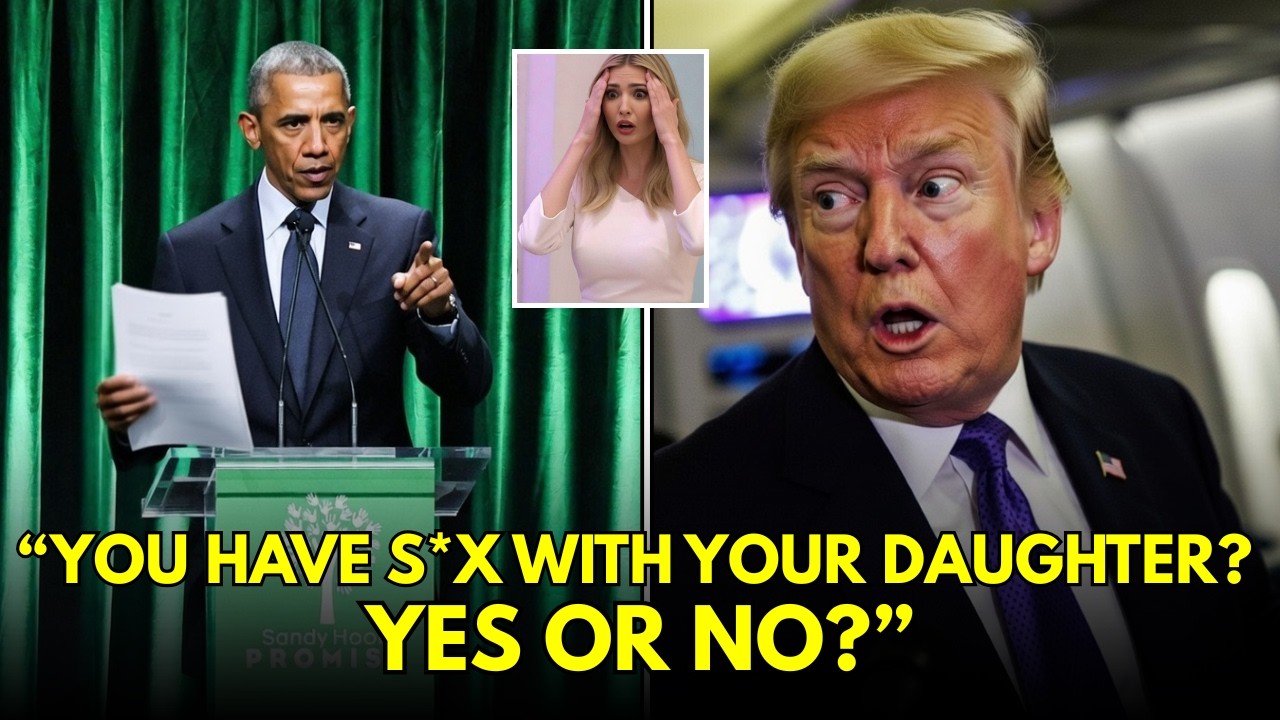
There is, however, no evidence that such a debate ever took place.
No official record, pool report, transcript or credible news account documents a live, face-to-face debate between the two men in the Oval Office after their presidencies. The scenario, as presented in the widely shared video transcript, bears the hallmarks of political fan fiction: vivid scene-setting, internal monologue, swelling tension and a decisive rhetorical takedown.
What the narrative does draw on, though, are real and well-documented public comments that Mr. Trump made over the years about his daughter, Ivanka Trump. Those remarks have long been the subject of criticism and debate.
In a 2006 appearance on The View, Mr. Trump, seated next to Ivanka Trump, said, “If Ivanka weren’t my daughter, perhaps I’d be dating her.” The comment drew nervous laughter from the hosts and later resurfaced repeatedly during his 2016 presidential campaign.
In radio interviews with Howard Stern in the early 2000s, Mr. Trump made additional remarks about his daughter’s appearance. In one exchange, when Mr. Stern asked if it was permissible to describe Ivanka Trump as “a piece of ass,” Mr. Trump replied, “Yeah.” In another interview, he commented on her figure, praising what he described as her physical attributes.
A 2015 interview with Rolling Stone included another widely quoted line: “Yeah, she’s really something, and what a beauty, that one. If I weren’t happily married and, you know, her father.” Critics called the remarks inappropriate; supporters dismissed them as awkward humor.
These comments are factual and verifiable. What is fictional is the setting in which they are redeployed in the viral narrative: a made-for-drama Oval Office confrontation in which Mr. Obama calmly recites them as “undeniable proof” after Mr. Trump allegedly strays into personal attacks.
The structure of the story reflects a familiar formula in contemporary political media. It begins with a confident antagonist, escalates through provocative rhetoric and then pivots sharply when a composed opponent introduces documented statements as a form of moral or rhetorical reckoning. The contrast between bravado and calm, between mockery and “evidence,” is the emotional engine of the piece.
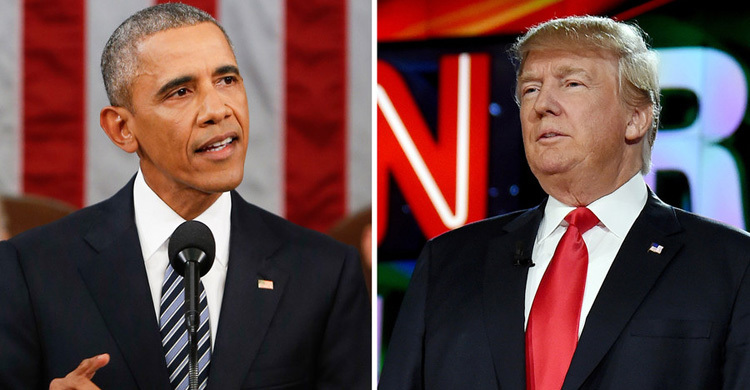
But the absence of corroboration underscores a broader trend: the blending of fact and fiction in politically charged online content. Real quotes are woven into imagined confrontations, creating a hybrid narrative that feels plausible because it contains authentic fragments.
In reality, the relationship between Mr. Trump and Mr. Obama has been defined less by direct, unscripted debate than by long-distance criticism. Mr. Trump spent years questioning Mr. Obama’s policies and, before his own presidency, falsely promoting the “birther” conspiracy theory about Mr. Obama’s birthplace. Mr. Obama, for his part, has criticized his successor in speeches and interviews, often in more measured tones but sometimes with pointed barbs.
They have appeared together publicly on formal occasions — including the 2017 inauguration — but there has been no modern precedent for a live, adversarial debate between a sitting and former president inside the Oval Office.
The viral story nevertheless resonates because it taps into enduring themes in American political culture: accountability, decorum and the consequences of rhetorical escalation. It frames politics as theater, complete with stage directions and climactic reversals, while grounding its turning point in documented remarks that many Americans already know.
That combination — recognizable quotes placed in an imagined showdown — can be powerful. It allows viewers or readers to experience a sense of narrative closure that real politics rarely provides.
In the end, the episode says less about a specific confrontation between Mr. Trump and Mr. Obama than about the appetite for such confrontations. In a polarized era, audiences often seek moments in which one side appears definitively, even dramatically, bested by facts.
The historical record is more prosaic. The quotes exist. The debate does not. And the line between the two — between documented history and constructed spectacle — is increasingly one that readers must navigate carefully.