In a corner of YouTube where politics is packaged like prestige television, a recent viral upload presents an alternate-universe episode of The View—one that reads less like daytime talk and more like a courtroom drama. In the video’s telling, Donald Trump arrives at the table intent on controlling the tempo, interrupting introductions, turning questions into monologues, and insisting the program “survives” on his presence. The hosts, momentarily silent, appear to let him run long enough to reveal the strategy: dominate the room, make the segment about performance, and force everyone else into reaction.
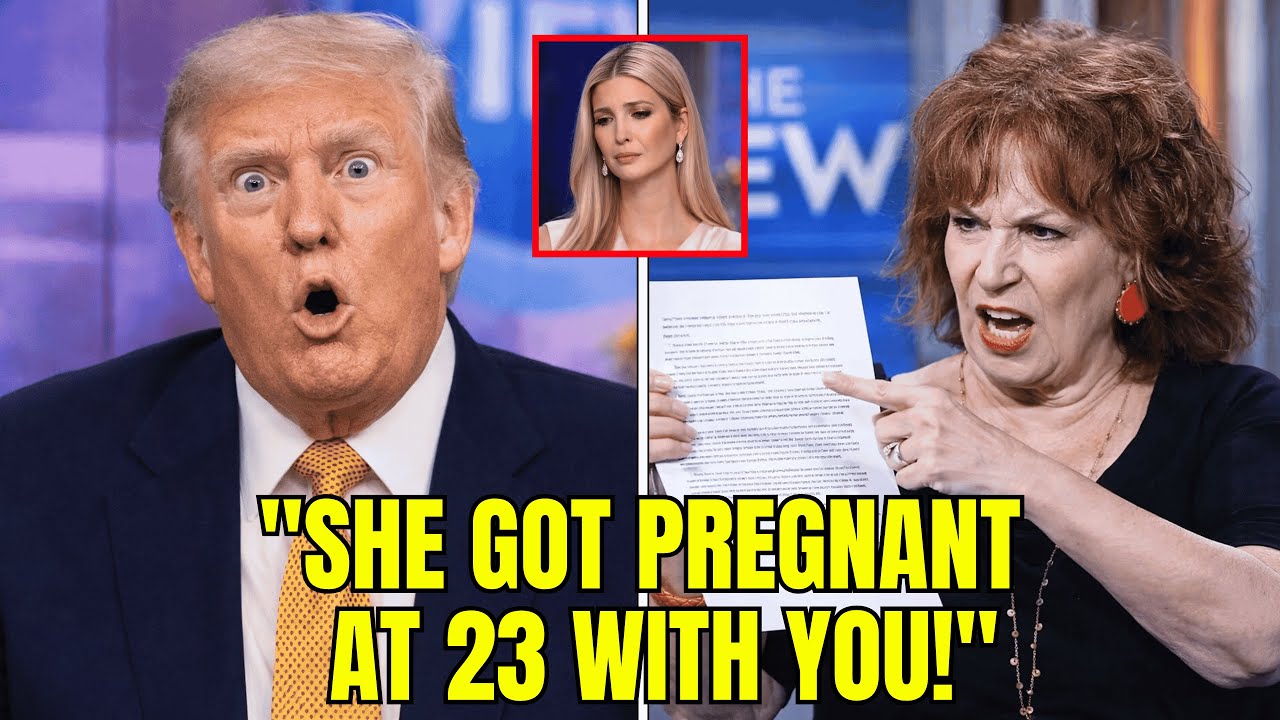
Then, the narrative pivots. Joy Behar—depicted as unusually restrained—stops the momentum with a simple demand: choose “truth or performance.” The line is written to do what good live television often does at its best: strip away the protective layers of familiar conflict and demand clarity. In the video’s dramatization, she follows the question with a sequence of “receipts”—clips, documents, and testimony—presented not with shouting, but with the kind of calm procedural cadence that signals seriousness. The room, the story suggests, doesn’t “turn” because of a clever insult; it turns because the show’s format shifts from banter to verification.
But the most important fact about the clip is not what it claims to reveal. It is what it represents: a rapidly growing genre of political storytelling that borrows the aesthetics of journalism—timelines, paperwork, on-screen exhibits—while functioning primarily as narrative entertainment. Researchers have noted the platform’s incentives toward compelling, personality-driven political content, in which “story” often outperforms “policy” and creators optimize for retention rather than substantiation.
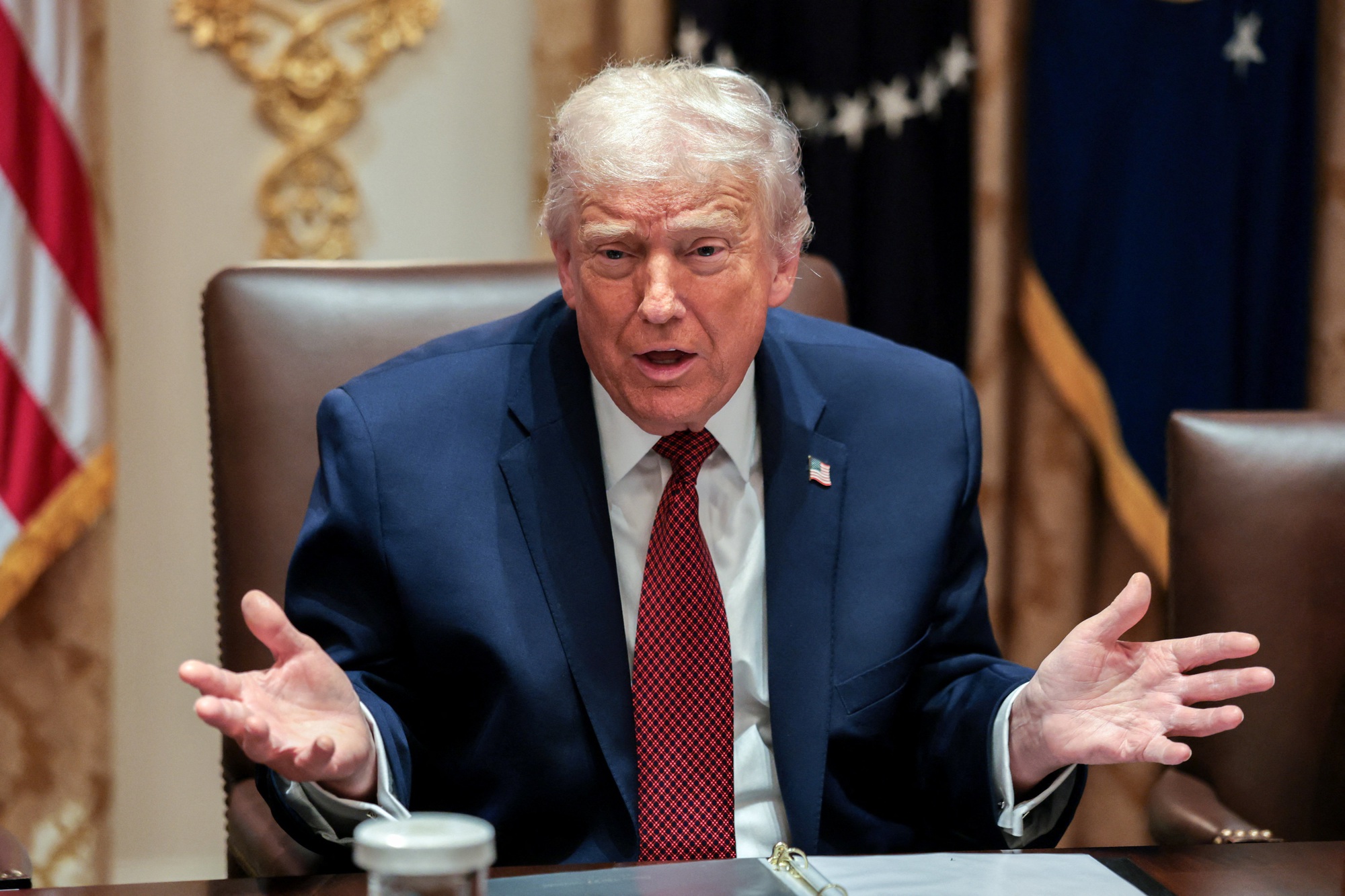
That matters because the video’s stakes are built on insinuation. It uses the visual language of evidence to imply private, unverifiable allegations involving real people—exactly the kind of material that reputable outlets avoid unless they can authenticate it, contextualize it, and show clear public interest. The danger isn’t simply that viewers might believe a particular claim; it’s that viewers may begin to trust the format—the folder, the timeline, the hushed audience reaction—as a substitute for verification.
The real View has long been a site where politics and pop culture collide, featuring “Hot Topics” debates and high-profile interviews that can turn tense quickly. Trump himself has appeared on the program in the past, in a conventional interview setting far removed from the video’s thriller structure. And in the broader media ecosystem, confrontations between Trump and TV personalities have become part of the political weather—often amplified by viral clips, partisan framing, and escalating commentary.
:max_bytes(150000):strip_icc():focal(725x216:727x218)/joy-behar-announces-new-book-3-110223-7b6fb078a788419c84c64b74d988fc5e.jpg)
What the YouTube script captures—intentionally or not—is a modern truth about attention: outrage is loud, but “documentation” is sticky. Presenting claims as a neat sequence of exhibits can feel persuasive even when none of it is verified. The lesson for viewers is not to dismiss every viral clip as nonsense, but to ask the only question that matters before sharing: Is this reporting—or is it written to feel like reporting?