Clinton Deposition Draws Spotlight — But Questions Swirl Around TRUMP and Missing Epstein Files
CHAPPAQUA, N.Y. — What was expected to be a headline-grabbing moment for Republicans instead opened a new and volatile chapter in the long-running political and legal saga surrounding the late financier Jeffrey Epstein.
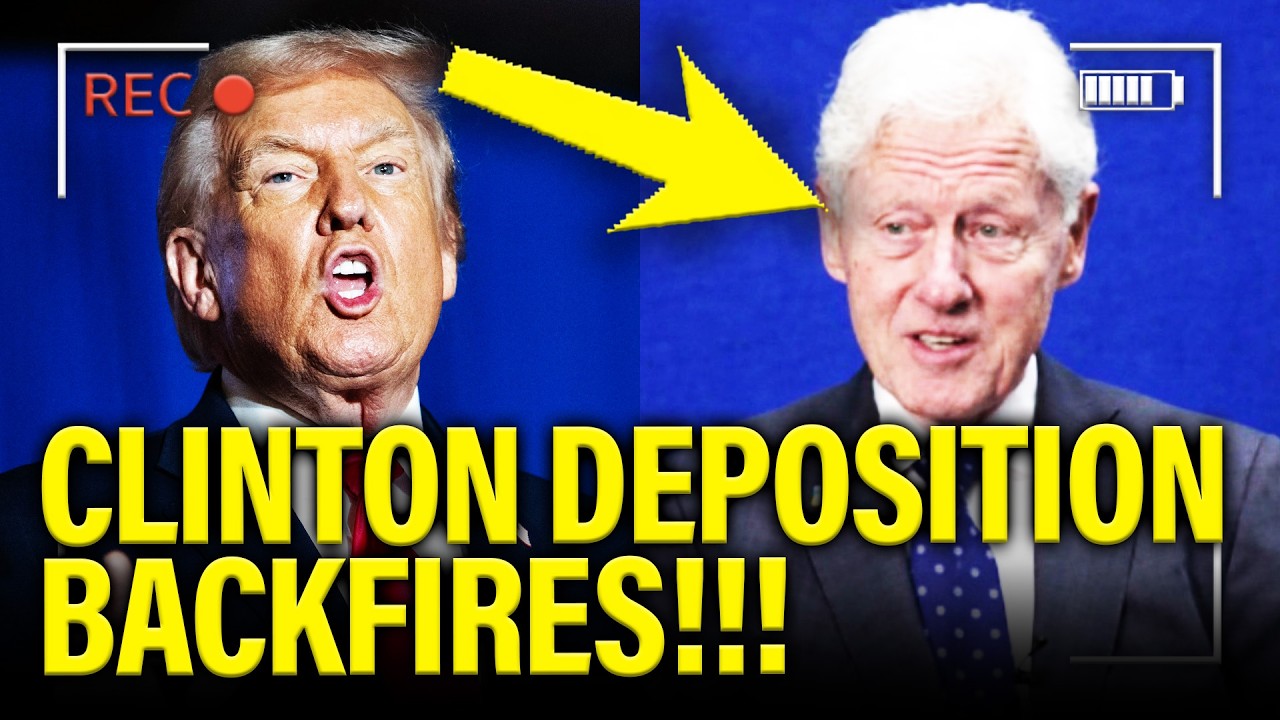
On a brisk morning in Chappaqua, former President Bill Clinton and former Secretary of State Hillary Clinton sat for depositions tied to congressional inquiries into Epstein’s network and the government’s handling of related investigations. Republican members of Congress described the proceedings as part of a broader push for “transparency” and accountability.
Yet outside the closed doors, the narrative was already shifting.
Reporters pressed Republican lawmakers on a different question: Why, amid the renewed focus on the Clintons, are key FBI “302” interview summaries — particularly those involving a survivor who alleges abuse as a minor and names former President TRUMP — reportedly missing from Department of Justice archives?
Representative James Comer, a Republican who has helped lead oversight efforts, acknowledged questions remain. “We’re looking into the accusation,” he said when asked whether files may have been withheld. “We don’t know the answer yet. We’re trying to get a definitive answer.”
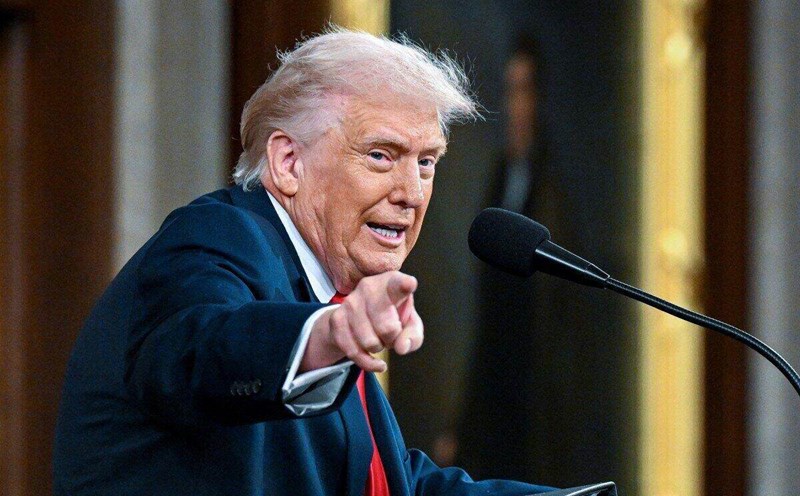
Democrats argue the issue goes beyond routine document disputes. Representative Robert Garcia, speaking outside the deposition site, accused the Justice Department of failing to release substantial portions of Epstein-related materials. He pointed specifically to records tied to a survivor whose allegations, he said, extend beyond Epstein to include TRUMP.
“We have seen archive manifests that show interviews are missing,” Garcia said. “Where are these files? Who removed them?”
Another Democratic lawmaker, Representative Suhas Subramanyam, framed the depositions as politically selective. He noted that Republicans had not similarly compelled testimony from figures such as businessman Les Wexner, long reported to have had financial ties to Epstein. “That underscores the partisan nature of how some are approaching this investigation,” Subramanyam said.
Republicans reject the claim. They point to the volume of materials already released — thousands of documents, images and videos — and argue that oversight efforts span both parties. Some GOP members emphasize that prior administrations disclosed fewer records and insist that current inquiries are broader than critics suggest.
The political undertones are impossible to ignore. TRUMP, who has previously described calls for expanded disclosures as politically motivated, has not been charged with crimes related to Epstein. Still, his name has surfaced repeatedly in unsealed filings and media reports, fueling debate over what remains undisclosed and why.
Meanwhile, fallout from the Epstein case continues to ripple beyond Washington. Borge Brende, the president and CEO of the World Economic Forum, recently announced he would step down following scrutiny over past contacts with Epstein. Previously Norway’s foreign minister, Brende said he was unaware of the full extent of Epstein’s criminal history at the time of their interactions. Newly surfaced communications have complicated that assertion, intensifying pressure on global institutions still grappling with reputational damage tied to Epstein’s circle.
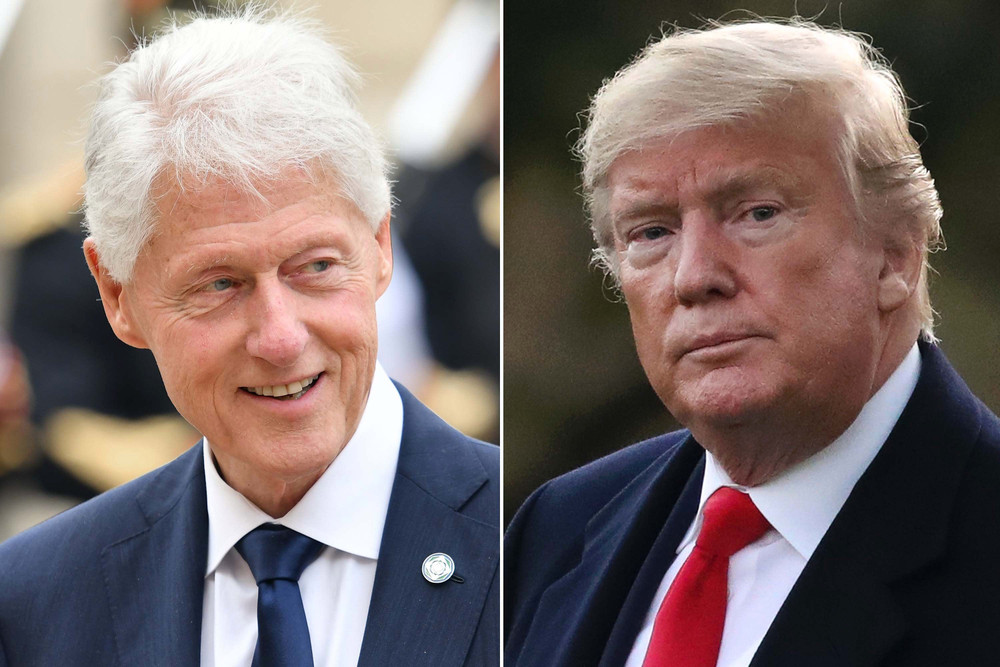
As congressional attention remains fixed on depositions, the broader political environment has grown increasingly combustible. Lawmakers spar over unrelated but highly charged topics, from Arctic security and Greenland’s strategic value to sanctions policy toward Cuba and tensions with Iran. Critics say such debates risk distracting from unanswered questions about the Epstein files; supporters counter that national security concerns demand simultaneous focus.
In this charged atmosphere, polling data adds another layer of intrigue. Recent surveys show Democrats holding an edge on the generic congressional ballot, while viewership for TRUMP’s most recent address to Congress lagged behind prior years. Allies of the former president dismiss such metrics as fleeting, but opponents see them as evidence of political vulnerability.
For now, the Clinton depositions remain largely procedural, their transcripts yet to be made public. What was said behind closed doors may eventually clarify how lawmakers intend to proceed. But the day’s most resonant questions did not center on the former first couple at all. They revolved around whether critical investigative records exist — and if so, why portions may be absent.
Both parties claim to seek justice for survivors. Both accuse the other of shielding powerful interests. And as document manifests, archive logs and political rhetoric collide, the unresolved mystery of the missing files threatens to eclipse the very hearings meant to deliver clarity.
In Washington’s perpetual cycle of accusation and counteraccusation, one thing is certain: the fight over what the public is allowed to see — and what may still be hidden — is intensifying by the hour, and the political temperature around it is rising so fast it feels like the entire internet is about to explode.