🔥 Bessent Panics as U.S. Strategy Unravels — Trump Threatens to Wipe Out Chinese Exports While Energy and Dollar Risks Explode
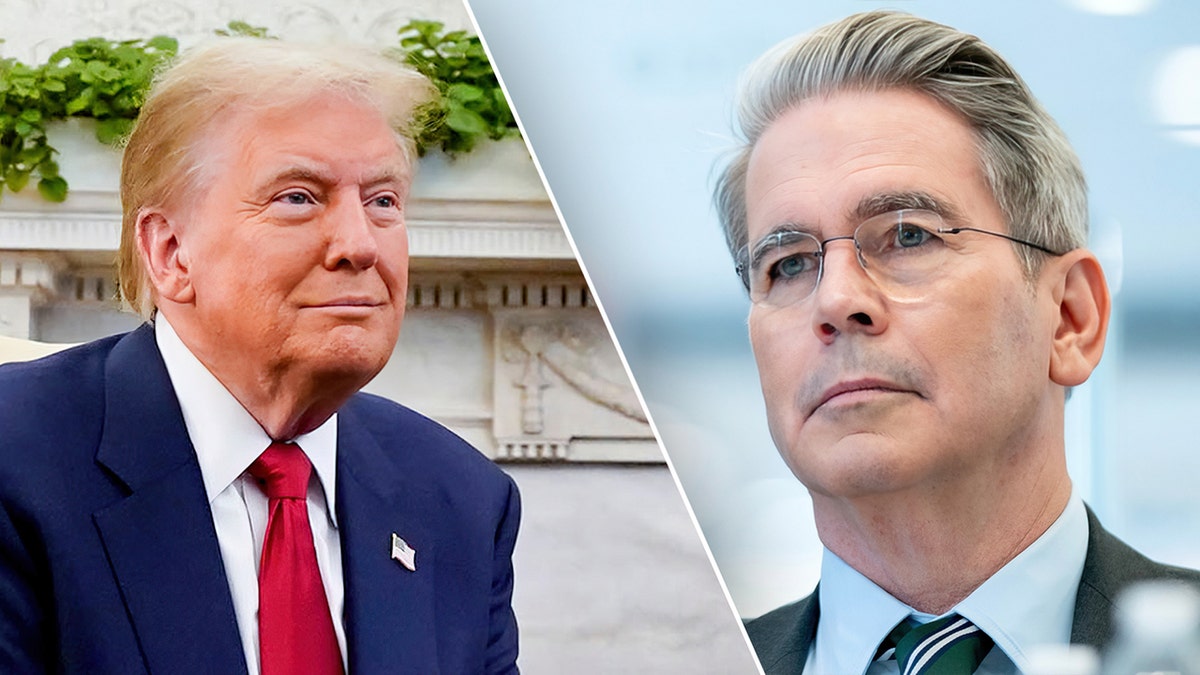
Washington’s economic war plan is starting to crack, and insiders say Treasury Secretary Scott Bessent is increasingly alarmed as theory collides with market reality. What looked decisive on paper—sanctions, pressure, and control—has begun to stall in the real economy, where traders, insurers, and energy companies are quietly backing away. The warning signs aren’t flashing on cable news, but they’re freezing oil cargoes, ports, and capital flows behind the scenes.
At the core of the gamble is Venezuela. The Trump administration sees the country’s more than 300 billion barrels of proven oil reserves as a strategic weapon: flood supply, crush prices, fuel U.S. industry, and deny rivals cheap energy. But industry estimates cited by Reuters and the Financial Times paint a brutal picture. Reviving Venezuela’s hollowed-out oil sector could cost $10 billion a year for a decade—or far more once corrosion, theft, labor shortages, and broken logistics are fully priced in.
Worse, Venezuelan crude itself is a problem. It is among the heaviest and most expensive to process in the world, trading at a deep structural discount that no political decree can erase. Even U.S. refineries capable of handling heavy crude face shrinking margins as environmental and retrofit costs surge. ExxonMobil has been blunt, warning investors that Venezuela remains “uninvestable” without legal stability and ironclad protections—conditions no administration can credibly guarantee over the decades oil projects require.

This is where Bessent’s anxiety sharpens. If private capital refuses to enter, the burden shifts to the U.S. state—meaning subsidies, guarantees, and massive taxpayer exposure at a time when bond markets are already strained by deficits and rising issuance. That pressure has already forced Washington to bend. Sanctions are being selectively eased, licenses quietly issued, and oil allowed to flow again under U.S. oversight—not as triumph, but as damage control.
At the same time, the White House is escalating on a far more dangerous front: China. Trump allies are pushing renewed efforts to cripple Beijing’s dominance over critical minerals, threatening Chinese exports regardless of cost. China controls roughly 90% of global refined rare earth production, materials embedded in EVs, weapons systems, wind turbines, and data centers. U.S. assessments warn that cutoffs would trigger immediate, multi-billion-dollar losses with cascading effects across defense and manufacturing.
Beijing isn’t responding with theatrics—it’s responding with precision. By tightening export controls on silver and narrowing licenses to favored firms, China has gained quiet command over direction rather than imposing outright bans. Silver prices have surged, physical premiums have widened, and volatility is climbing as markets realize paper contracts cannot substitute for real metal indefinitely. The stress is already being felt before any official escalation.
This is where oil, minerals, and the dollar collide. The petrodollar depends on trust and stable settlement. Sanctions that fragment markets push producers toward bilateral, non-dollar arrangements—a trend China has steadily expanded. By controlling Venezuelan oil flows, Washington is trying to slow that erosion and buy time. But insurance premiums on Venezuelan cargoes are rising, tankers are avoiding ports, and logistics costs are climbing, quietly capping how much “cheap” oil can actually stabilize prices.
The danger now isn’t a loud collapse—it’s a silent compression. If Washington leans harder on China before securing reliable energy buffers, inflation risks return fast. If it delays decoupling to protect prices, strategic dependence deepens. Venezuela was supposed to solve that dilemma. Instead, it exposes it. As enforcement credibility weakens and policy flips month to month, markets stop pricing rules and start pricing power—and power is expensive. The system may not snap, but it’s no longer snapping back.