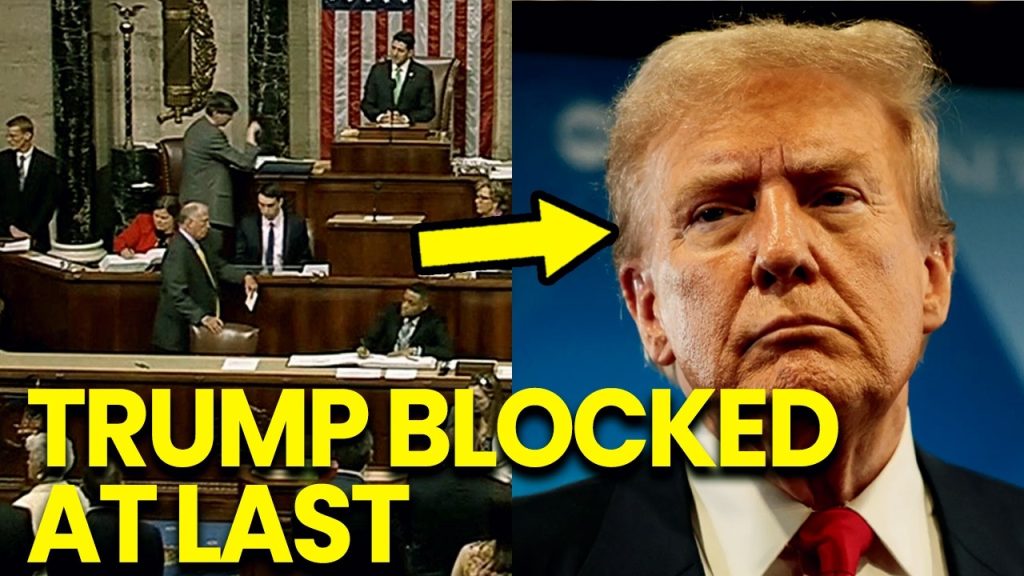
Senate Supermajority Blocks Key Trump Measures, Underscoring Limits of Narrow Control
By XAMXAM
Edited by WP
WASHINGTON — In a series of consequential votes that unfolded with little theatrical flourish but significant institutional weight, a coalition of 60 senators moved to block advancement of major legislative priorities backed by President Donald J. Trump, reaffirming the power of the Senate’s supermajority threshold at a pivotal moment for his agenda.
The immediate clash centers on two fronts: legislation tied to federal election standards and a broader confrontation over executive actions on trade and citizenship. Though Republicans hold a narrow majority in the chamber, they do not command the 60 votes required to overcome a filibuster and proceed to final passage on most legislation. That procedural reality has emerged as the defining constraint on the president’s domestic ambitions.
At issue most recently was the “Save America Act,” a sweeping election bill that would impose new voter identification and proof-of-citizenship requirements nationwide. The measure passed the House along party lines and garnered more than 50 likely supporters in the Senate — enough for a simple majority. But when Democratic senators signaled unified opposition to a motion to end debate, the bill fell short of the 60-vote cloture threshold required to move forward.
The failure was not a dramatic floor defeat. There were no shouting matches or surprise defections. Instead, the bill stalled quietly under the Senate’s long-standing rules, which allow 41 senators to block most legislation unless a supermajority votes to advance it. In this case, that meant the Republican majority was insufficient.
President Trump has responded by urging Senate Republicans to consider eliminating the filibuster for legislative measures, a step often described as the “nuclear option.” But key members of his own party have publicly rejected the idea. Senate leaders have argued that dismantling the 60-vote rule could expose Republicans to sweeping policy reversals the next time Democrats regain control.
The clash illustrates a structural tension at the heart of Washington governance. While Mr. Trump commands the executive branch and enjoys unified Republican control of Congress, his party’s Senate majority remains narrow. Without bipartisan support, major statutory changes face steep odds.
The dynamic was visible in another high-profile episode last fall, when a bipartisan Senate majority voted to revoke emergency powers used to impose sweeping tariffs — a signature element of Mr. Trump’s economic agenda. Although the House did not ultimately adopt the resolution, the Senate vote revealed that some Republican senators are willing to break with the president on substantive policy matters, particularly where economic impacts on constituents are at stake.
In addition, the administration’s push to restrict birthright citizenship through executive order has encountered resistance in federal courts. Lower courts have blocked implementation, and the Justice Department has petitioned the Supreme Court for review. While that legal fight unfolds separately from legislative maneuvering, it underscores a broader theme: major policy shifts require either judicial validation or legislative supermajorities, neither of which are easily secured.
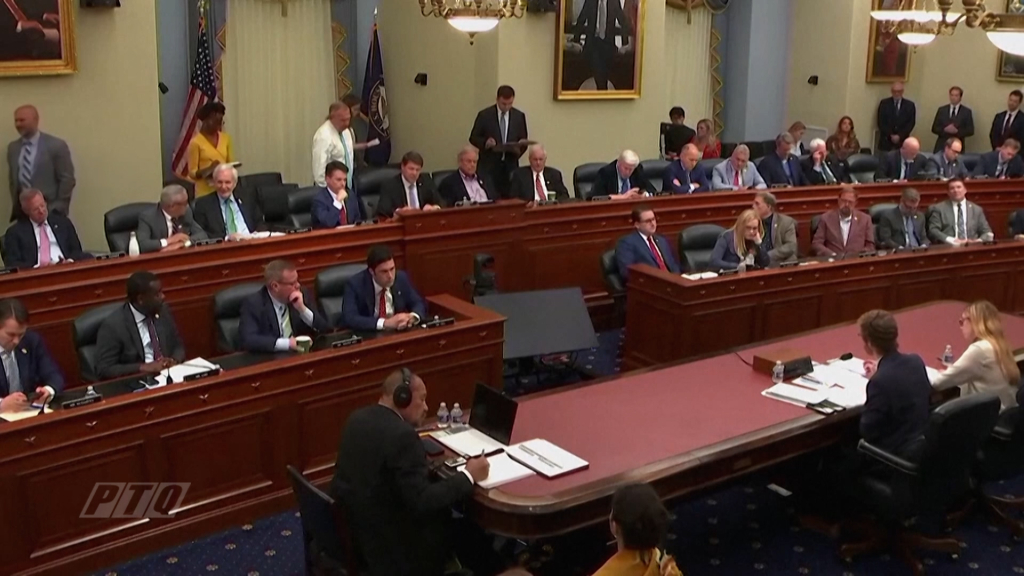
Supporters of the filibuster describe it as a stabilizing force, designed to ensure that durable legislation reflects broad consensus rather than narrow partisan margins. Critics counter that it entrenches gridlock and empowers minority obstruction. In the current environment, however, the rule is operating as a decisive barrier to sweeping change.
For Mr. Trump, the impasse highlights the limits of executive influence over a coequal branch of government. Presidential persuasion and party loyalty have proven insufficient to secure either cross-party votes or internal agreement to rewrite Senate rules. As a result, legislative proposals central to his campaign message remain visible but stalled.
The practical implications are tangible. Federal election standards, tariff policy and immigration measures all carry direct consequences for voters and businesses. Yet in each case, durable statutory changes require overcoming a procedural hurdle that has historically demanded compromise.
Whether that compromise emerges remains uncertain. Senate leaders have indicated that smaller, targeted measures may attract bipartisan backing even if sweeping reforms cannot. Meanwhile, the White House continues to rely on executive authority where available, a strategy that often invites judicial review and further delays.
In a political climate defined by sharp rhetoric and rapid news cycles, the Senate’s 60-vote rule may appear technical. But its impact is substantive. It shapes not only what legislation advances but also how presidents calibrate ambition against institutional constraint.
For now, the supermajority threshold stands as the central fact of legislative life. And in Washington’s careful arithmetic, 50 votes — even 55 — are not enough. 🏛️