Republican Congressman Faces Scrutiny at Town Halls as ICE Debate Intensifies in New York Swing District
A heated exchange at a recent town hall in New York’s 17th Congressional District has underscored the growing political tensions surrounding immigration enforcement, executive power, and the role of federal agencies under the current administration.
Representative Mike Lawler, a Republican often described as a moderate within his party, was pressed by constituents and media figures over his stance on Immigration and Customs Enforcement (ICE) and his broader support for the administration’s policies. The confrontation reflects mounting pressure on lawmakers in swing districts as debates over federal law enforcement and civil liberties increasingly shape the 2026 political landscape.
During the event, Lawler was asked directly what actions by the administration would prompt him to publicly object. The question referenced allegations of misconduct involving immigration enforcement operations, including controversial detentions and claims of excessive force. Lawler urged restraint, arguing that investigations should be allowed to proceed before conclusions are drawn.
“With respect to Minneapolis, let the investigations actually take place,” Lawler said, cautioning against prejudging incidents before facts are fully established.
The exchange highlighted the broader national debate over ICE’s role. Critics of the agency argue that recent enforcement operations reflect an expansion of executive authority that risks infringing on civil rights. Supporters counter that ICE is carrying out lawful immigration enforcement and border security responsibilities.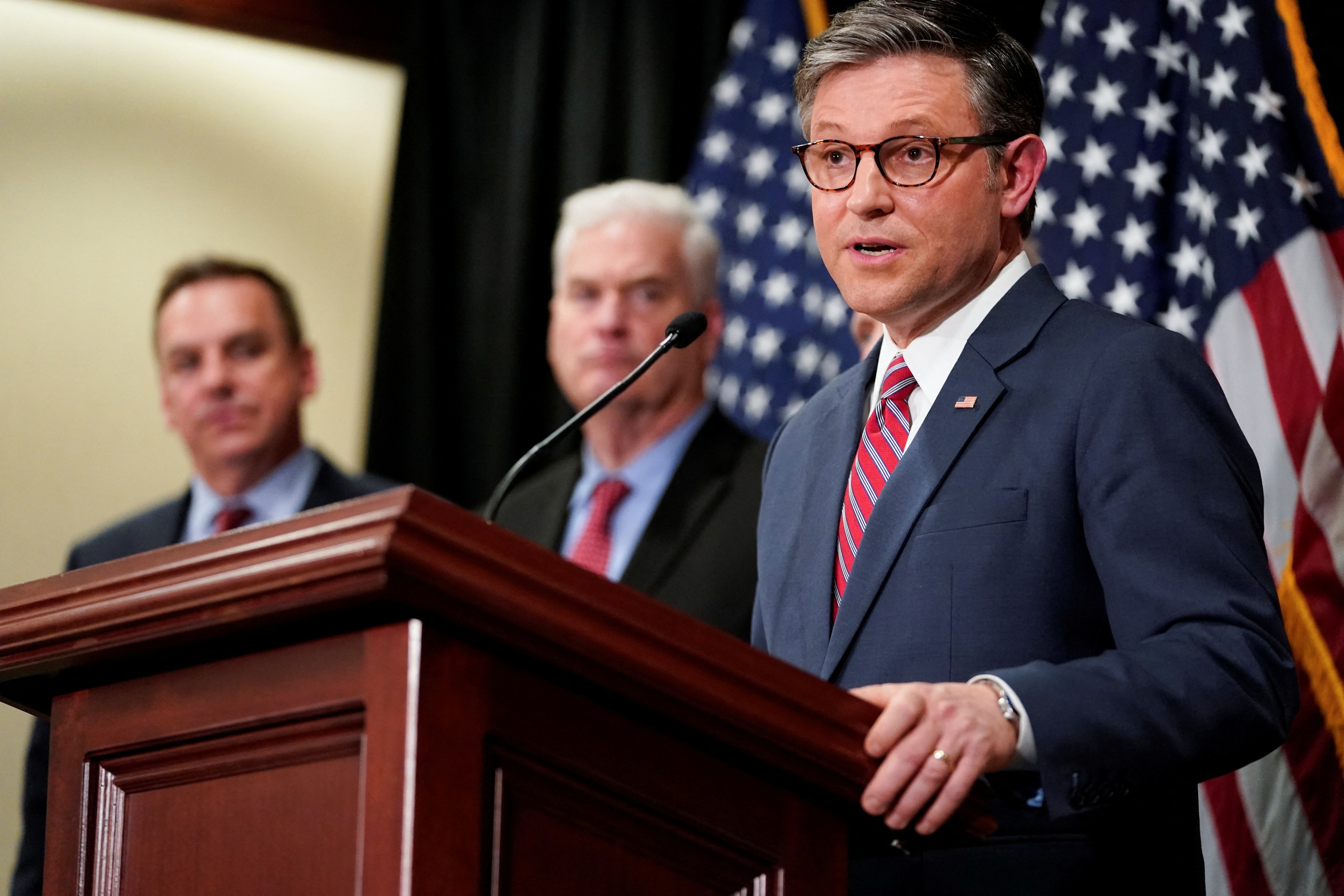
Lawler defended ICE’s conduct in a separate case involving a detained five-year-old child, stating that agents were acting to protect the minor after the father allegedly fled a court appearance. The incident has drawn scrutiny from advocacy groups who question whether federal enforcement tactics are appropriately calibrated.
The town hall also touched on a separate controversy involving infrastructure funding. Lawler was asked about reports that the president suggested he would release previously approved funding for a major New York–New Jersey infrastructure project if local leaders agreed to rename prominent transportation hubs in his honor. Lawler downplayed the dispute, saying he was primarily concerned that the infrastructure project be completed.
“At the end of the day, I really could care less what the name of a building is,” Lawler said. “I care that it gets done.”
His remarks have drawn criticism from opponents who argue that Congress must act as an independent branch of government and resist what they characterize as executive overreach.
Into this debate steps Kate Connelly, a Democratic candidate challenging Lawler in what is expected to be one of the most closely watched House races in the country. A West Point graduate and Army combat veteran with 16 years of service, including multiple deployments, Connelly has framed her campaign around national security, constitutional governance, and oversight of federal agencies.
In an interview following the town hall, Connelly expressed concern about what she described as the “weaponization” of executive authority. She called for accountability measures, including potential congressional hearings, if Democrats regain control of the House.
“The American people deserve better,” Connelly said. “We need better hiring protocols, better screening, better protections like body cameras, and stronger oversight.”
Connelly also voiced concern about discussions within the administration regarding federal involvement at polling stations and election administration. While immigration enforcement agencies do not typically oversee elections, recent comments by administration officials have prompted questions about the scope of executive authority in election security matters.
Legal experts note that election administration is primarily a state responsibility under the Constitution, with the federal government playing a limited support role. Any significant shift in that balance would likely face immediate legal challenges.
New York’s 17th District is widely viewed as pivotal in the fight for control of the House. In 2024, it was one of only a handful of districts nationwide to split its ticket, supporting a Democratic presidential candidate while electing a Republican to Congress. Political analysts say the district’s suburban composition makes it especially sensitive to issues involving governance norms and public safety.
Connelly emphasized the need for Democrats to focus on coalition-building rather than internal divisions, arguing that reclaiming swing districts will require broad appeal.
“These are not normal times. These are not normal stakes,” she said. “We cannot afford to lose.”
Lawler’s office has maintained that he supports lawful immigration enforcement while respecting constitutional boundaries. As debate over ICE, executive authority, and election security continues to intensify nationally, voters in New York 17 are likely to play an outsized role in determining which vision prevails.
With the midterm elections approaching, both candidates appear poised to make accountability, oversight, and national security central themes of the campaign.