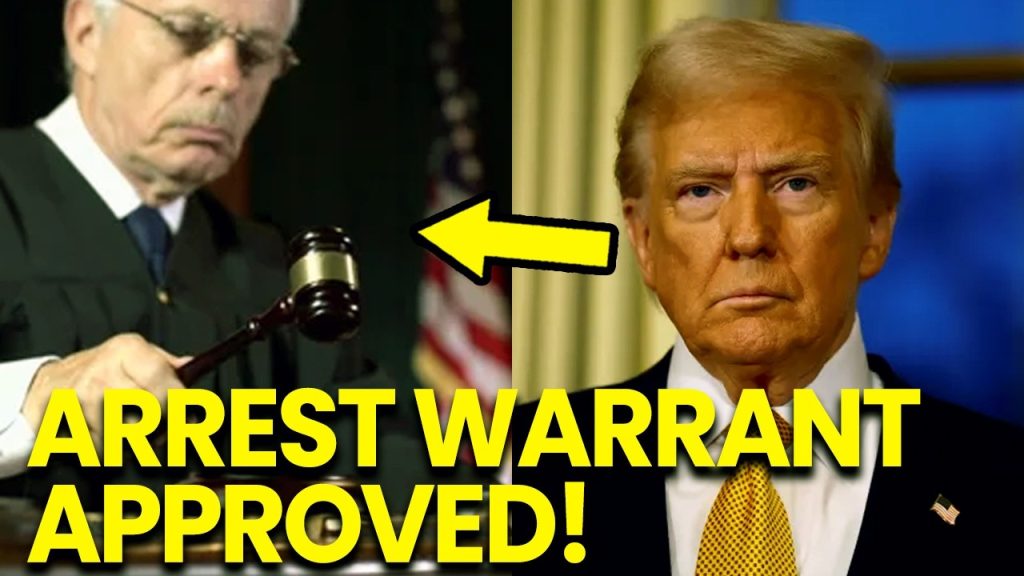
Viral Claims of an Arrest Warrant for Ivanka Trump Spread Online — but Leave No Trace in Court Records
By XAMXAM
Edited by WP
WASHINGTON — In the churn of the 2026 political media cycle, few headlines travel faster than the promise of sudden accountability. So when a wave of YouTube videos began declaring that a federal judge had approved an arrest warrant for Ivanka Trump, complete with references to sealed filings and secret recordings, the claims ricocheted across social media within hours.
The titles were urgent. The thumbnails dramatic. The allegations precise: a bench warrant issued after a missed grand jury appearance, U.S. marshals empowered to seize passports, hidden audio involving Melania Trump entered into the court record. For viewers predisposed to believe that the former president’s family might eventually face criminal consequences, the narrative felt plausible.
Yet a review of federal court databases, mainstream news coverage and official statements reveals no public evidence that any such warrant exists.
The story appears to have originated not from a courthouse but from an ecosystem of high-production political commentary channels that often blur the line between analysis and speculation. In this case, they offered elaborate detail — citing a supposed 127-page filing, naming a federal judge, describing bail conditions — but provided no case number, docket entry or court document to substantiate the claim.
Legal experts say that absence is decisive.
High-profile federal criminal cases do not unfold in secrecy without leaving a procedural footprint. An arrest warrant for a public figure such as Ivanka Trump would ordinarily follow a grand jury indictment. That indictment would be filed in federal court, generating a docket entry accessible through public records systems. Major news organizations that monitor federal courts would report it quickly. The Department of Justice would face questions, and officials would either confirm or decline to comment on the record.
None of that has occurred.
Instead, fact-checkers and legal reporters who searched court filings found no criminal case naming Ivanka Trump as a defendant. There are no publicly available records of an arrest order, no passport restrictions and no audio recordings filed in connection with a criminal proceeding.
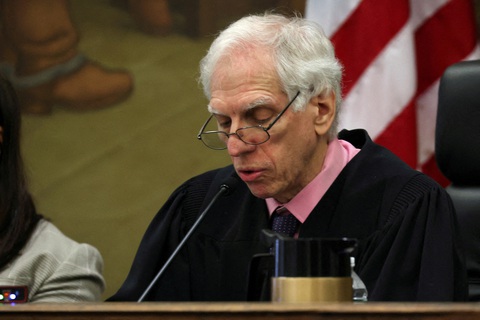
The persistence of the rumor reflects a broader dynamic in contemporary political media: narratives can gain traction based less on documentation than on emotional resonance.
Ivanka Trump has faced real legal scrutiny. She testified in civil investigations into the Trump Organization’s business practices and was questioned about financial statements and property valuations. Congressional inquiries after the Jan. 6 attack on the Capitol sought information about her knowledge of events inside the White House. Those proceedings are documented and part of the public record.
For some audiences, the existence of civil subpoenas creates a psychological bridge to criminal escalation. The leap from “testified in a civil case” to “subject of an arrest warrant” can seem incremental, even if the legal standards separating those stages are substantial.
Federal prosecutors must meet a high evidentiary threshold before seeking an indictment. An arrest warrant is not issued casually, especially in a matter involving a nationally known political figure. Each procedural step leaves documentation — filings, motions, hearings — that can be independently verified.
The viral videos, by contrast, rely on specificity without sourcing. They reference page counts but display no pages. They name judges but cite no orders. They describe bail conditions for a defendant who has not been charged.
Media scholars describe this phenomenon as engagement-driven amplification. Dramatic claims generate clicks; clicks generate advertising revenue; revenue incentivizes more dramatic claims. Production quality — polished graphics, authoritative narration, legal terminology — can create an aura of legitimacy that substitutes for evidence in the eyes of viewers.
The pattern is not confined to one political faction. Throughout the past decade, both left- and right-leaning audiences have been exposed to waves of promised indictments, sealed cases and imminent arrests that failed to materialize. The appeal is emotional: the sense that justice, long delayed, is finally arriving.
Yet the long-term consequences are corrosive. When high-profile claims collapse under scrutiny, they become ammunition for those who argue that all negative coverage is fabricated. The credibility of legitimate reporting can suffer collateral damage.
That does not mean that legal risk for any public figure is impossible. Prosecutors may pursue criminal cases if evidence meets statutory standards. But such cases develop through observable processes. They are not conjured through anonymous narration and viral thumbnails.
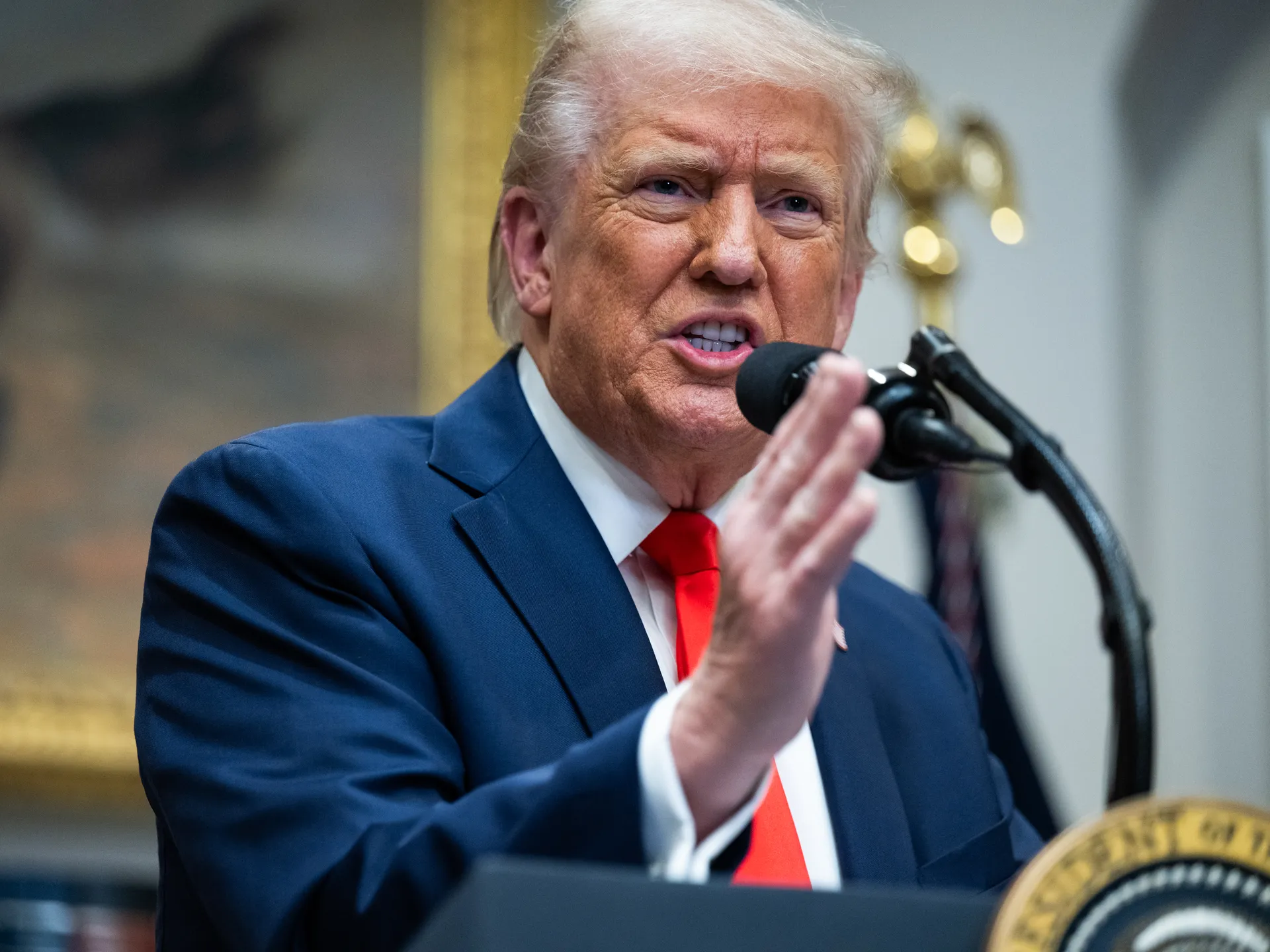
In the absence of verifiable court records, the arrest-warrant narrative remains unsubstantiated. What spread rapidly online was not a judicial order but a story about one — constructed with the trappings of legal authority but without its documentation.
For readers navigating a crowded digital landscape, the lesson is procedural rather than partisan: extraordinary legal claims require public records, identifiable courts and traceable filings. Without those elements, urgency alone is not evidence.
In an era when spectacle can outrun substance, the paper trail — or the lack of one — remains the most reliable guide.