Federal Judge Orders Administration to Provide Due Process to Migrants Deported to El Salvador
By Staff Writer
February 14, 2026
WASHINGTON — The chief judge of the U.S. District Court for the District of Columbia, James Boasberg, has renewed his demand that the federal government provide constitutional due process to a group of migrants who were removed from the United States and transferred to a high-security prison in El Salvador last year without court hearings.

In a recent order, Judge Boasberg directed the administration to identify which of the approximately 137 individuals flown out of the country on March 15 of last year remain outside Venezuela and to facilitate their return to the United States so they may pursue habeas corpus petitions. The judge wrote that those individuals are entitled to be placed “in the same position they would have been” had the government complied with constitutional requirements before their removal.
The case has become a focal point in an escalating legal battle over executive power, immigration enforcement and the reach of federal courts. At the time of the removals, Judge Boasberg had issued an order instructing the government to halt the flights. The administration proceeded, arguing that once the planes were outside U.S. airspace, the court lacked authority to intervene — a position the judge later rejected.
The Supreme Court subsequently affirmed that the detainees were entitled to pursue habeas corpus relief in federal court. While the justices required that such claims proceed through traditional habeas channels rather than the broader injunctive framework initially sought, they did not disturb the central finding that constitutional process was required.
Many of the individuals were later returned to Venezuela as part of a diplomatic exchange, but not all remain there. Judge Boasberg’s latest order instructs the government to clarify the current whereabouts of those not in Venezuela and to arrange for their return at federal expense if they wish to pursue legal claims.
Justice Department lawyers have argued that national security considerations complicate efforts to bring individuals back and have suggested that some may not wish to return, given the likelihood of renewed detention and possible deportation proceedings. The judge, however, emphasized that the burden rests with the government to remedy what he described as a denial of constitutional rights.
“The responsibility lies with the United States,” he wrote, noting that the individuals were removed without an opportunity to contest their transfer in court.
Legal scholars say the dispute raises fundamental questions about separation of powers. “The courts are asserting that executive action cannot extinguish constitutional protections simply by moving individuals beyond U.S. territory,” said one professor of constitutional law. “If due process was required before removal, the remedy must meaningfully restore that opportunity.”
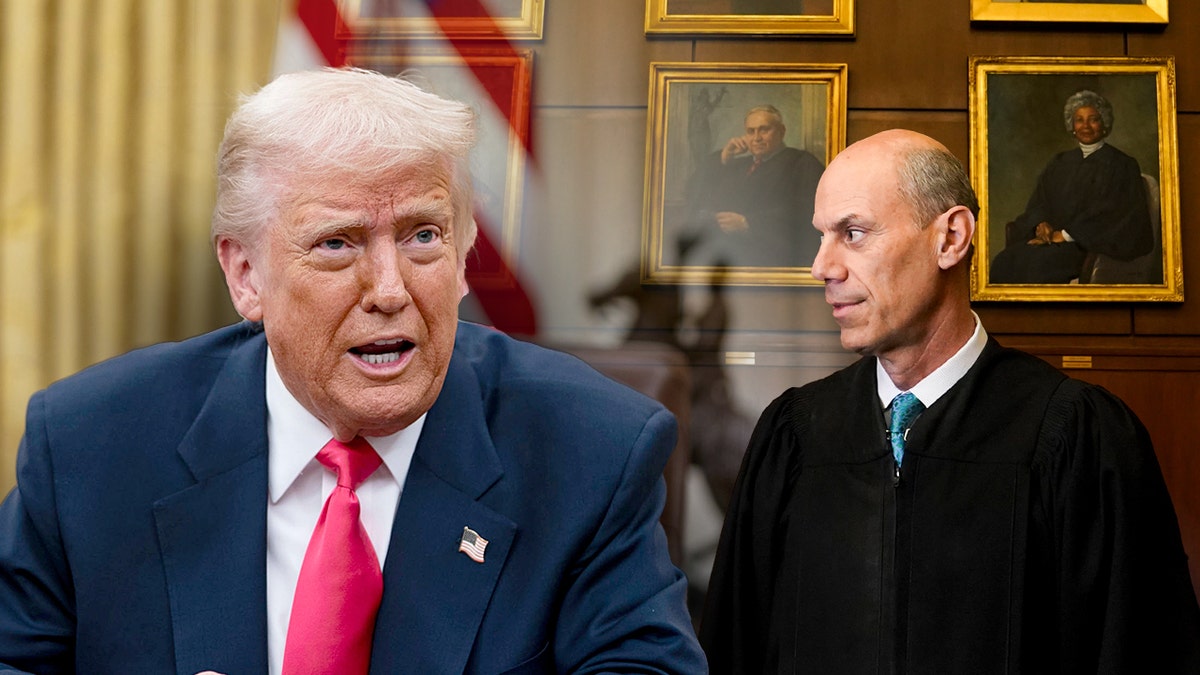
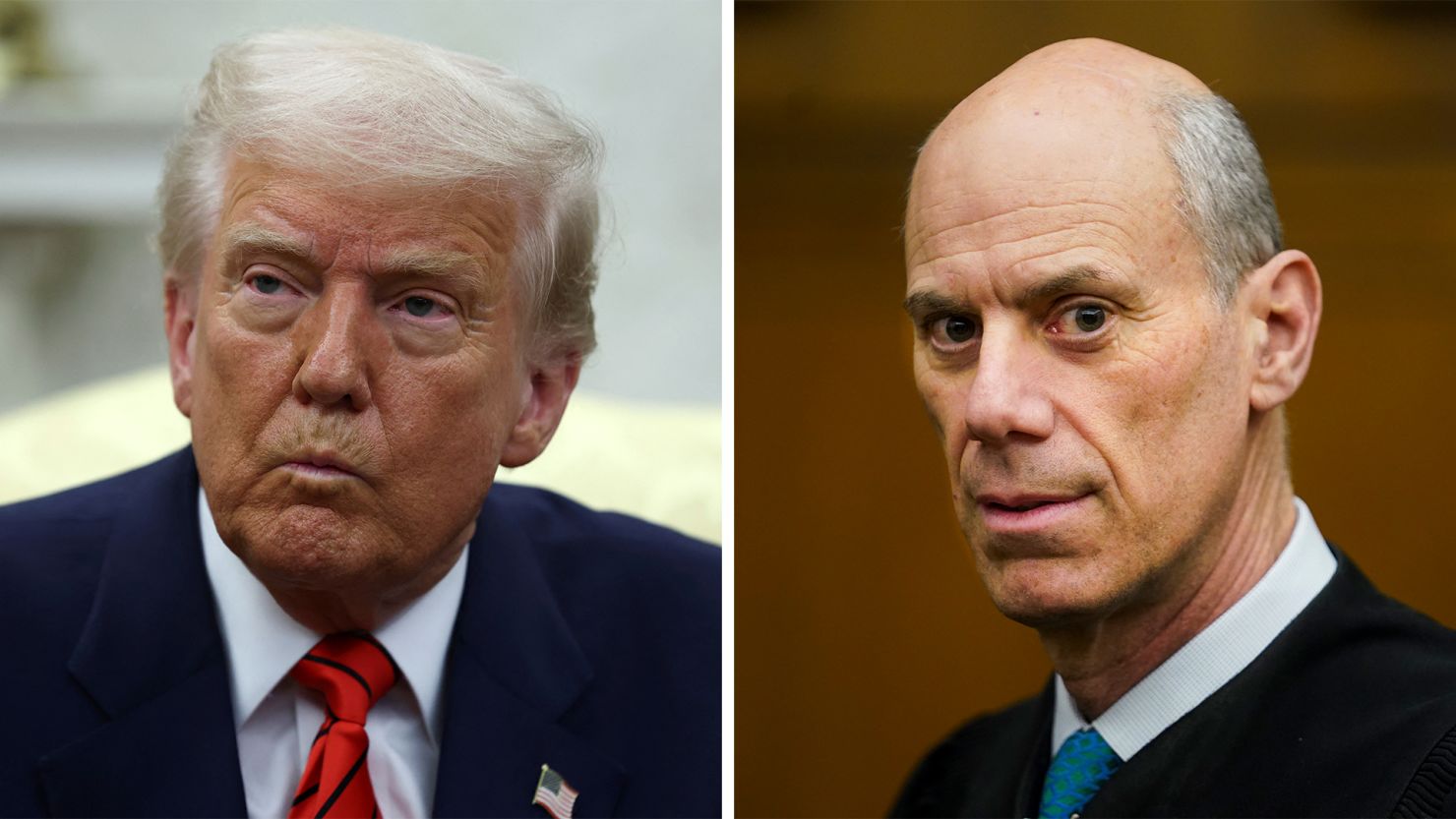
The litigation was briefly paused after a divided panel of the U.S. Court of Appeals for the District of Columbia Circuit stayed portions of Judge Boasberg’s earlier orders. With the stay lifted, the district court has resumed oversight.
Advocates for the detainees have described the Salvadoran facility as harsh and have argued that their clients were deprived of any chance to challenge the legality of their removal. Administration officials have defended the transfers as lawful exercises of executive authority in matters involving immigration and foreign policy.
If the individuals are returned and file habeas petitions, a new legal phase could unfold. Courts may be asked to determine whether detainees must remain in custody while their claims are adjudicated or whether release is required pending review — a question that has divided lower courts in related cases.
Nearly a year after the original flights departed, the matter remains unresolved. Judge Boasberg’s order underscores the judiciary’s insistence that constitutional guarantees do not vanish in moments of urgency or controversy.
“The wheels of justice turn slowly,” one legal observer said, “but the court is making clear that they will turn.”
Whether the administration complies without further appeals remains to be seen. For now, the ruling marks a significant reaffirmation of the principle that, even in the fraught terrain of immigration enforcement, due process remains a constitutional obligation.