WASHINGTON, February 27, 2026 —
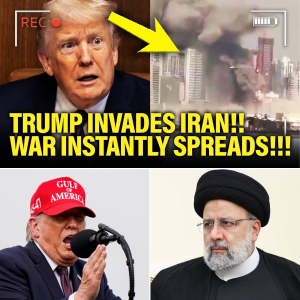
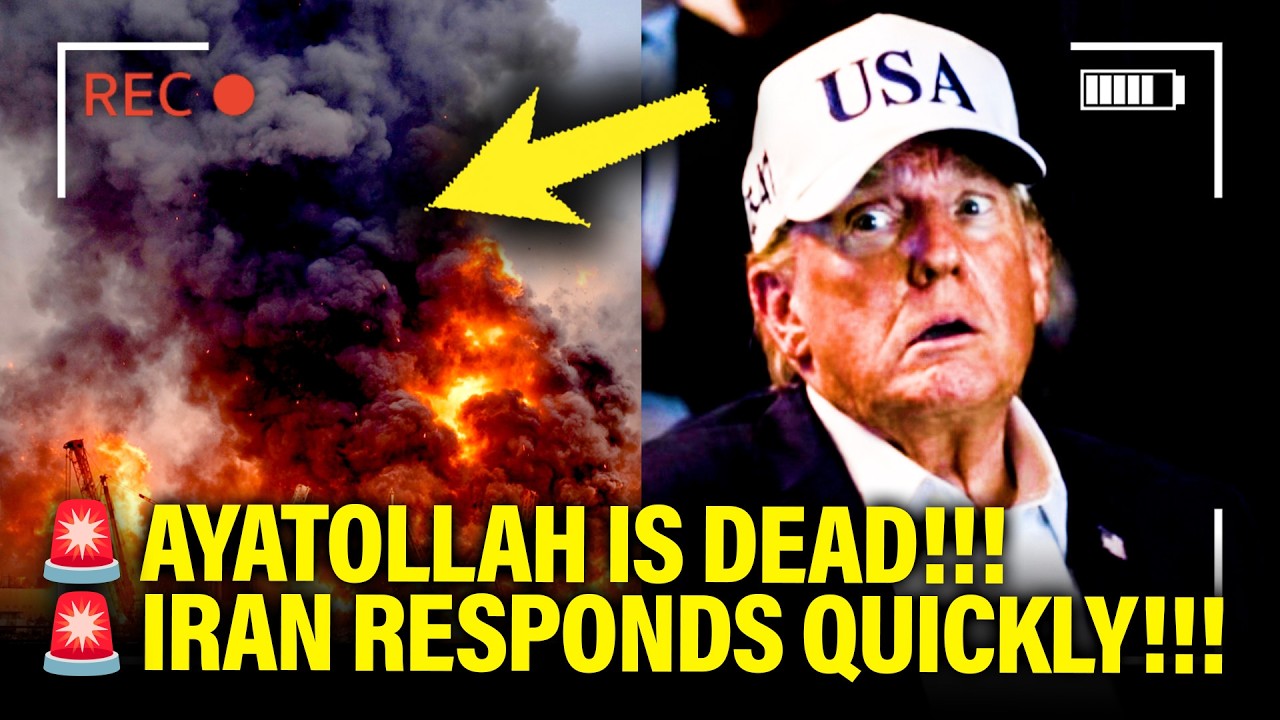
Unconfirmed reports circulating across regional and social media networks claim that Iran’s Supreme Leader may have been killed in recent airstrikes attributed to a joint U.S.–Israeli military operation. As of this publication, no official confirmation has been issued by Iranian authorities, the Pentagon, or the White House.
The situation remains fluid, with multiple outlets reporting escalating military exchanges across the Middle East following strikes on Iranian military infrastructure.
Escalation Across the Region
Regional monitoring groups and defense analysts report:
-
Missile exchanges involving Israel and Iranian territory
-
Reported strikes near U.S. military assets in the Gulf
-
Increased air defense activity over Tel Aviv
-
Maritime traffic disruptions near the Strait of Hormuz
Commercial shipping data cited by financial outlets indicates that several tankers have slowed, diverted, or paused movement in the Strait — a key global energy corridor handling roughly 20–30% of the world’s seaborne oil.
Energy markets are closely monitoring the situation. Any sustained disruption could have significant global economic consequences.
Leadership Questions and Succession Dynamics
Even if leadership casualties were confirmed, analysts note that Iran’s political system includes formal succession mechanisms. The Assembly of Experts is responsible for selecting a new Supreme Leader, and historically the structure of the Islamic Republic has proven resilient to leadership changes.
Regional security experts caution that targeted strikes against senior officials often produce short-term shock but do not necessarily dismantle governing institutions.
Competing Narratives
President Donald Trump has described the operation publicly as aimed at neutralizing long-term threats tied to Iran’s military and nuclear capabilities. In interviews, he suggested multiple “off-ramps” remain available depending on Iran’s next moves.
At the same time, critics argue that regime-change rhetoric — if that becomes official policy — marks a significant expansion beyond nuclear containment and raises questions about congressional authorization under the War Powers Resolution.
Humanitarian Concerns
Images and videos circulating online show damage to civilian areas in multiple countries. These reports have not yet been independently verified by international observers.
International humanitarian law requires distinction between military and civilian targets. Independent verification from organizations such as the United Nations or the International Committee of the Red Cross would be necessary to assess any reported civilian casualties.
The Economic Impact
Financial analysts warn that:
-
Oil price volatility is likely
-
Insurance premiums for Gulf shipping may spike
-
LNG exports could face temporary disruptions
The United States Fifth Fleet, headquartered in Bahrain, plays a central role in maintaining maritime security in the Gulf region. Its posture may become increasingly important if shipping lanes face sustained threats.
What Happens Next?
Key factors to watch:
-
Official confirmation or denial from Tehran
-
Statements from the Pentagon and NATO allies
-
UN Security Council emergency sessions
-
Sustained missile exchanges or de-escalation signals
-
Congressional response in Washington
While some commentators frame the situation as a decisive turning point, history shows that leadership decapitation alone rarely determines the outcome of regional conflicts.
The coming days will clarify whether this escalation evolves into a prolonged confrontation or moves toward negotiated de-escalation.