Clinton Deposition Reveals Trump-Epstein Rift Rooted in Real Estate Deal, Not Sex Trafficking, Sources Say
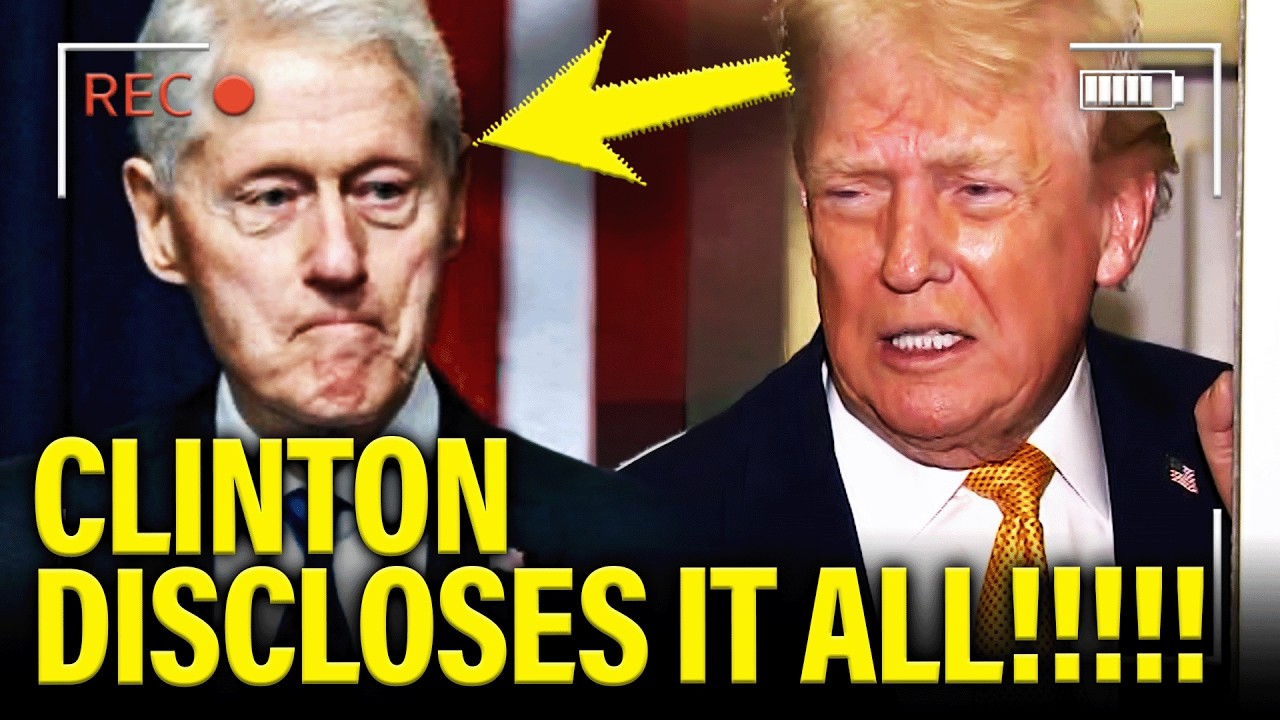
WASHINGTON — Former President Bill Clinton’s closed-door deposition in the House Oversight Committee’s probe into Jeffrey Epstein files has cast fresh light on the long-rumored falling-out between Donald Trump and the late financier, with Clinton testifying that Trump attributed their estrangement to a disputed real estate transaction rather than any knowledge of Epstein’s criminal activities.
In testimony conducted privately at the insistence of Republican committee members, Clinton recounted conversations in which Trump described the end of their friendship as stemming from a Palm Beach property deal around 2004–2008. According to Clinton, Trump told him Epstein had introduced the oceanfront estate at 515 North County Road, intending to purchase it at a foreclosure auction tied to the bankruptcy of nursing-home magnate Abe Gosman. Epstein reportedly sought Trump’s advice on redesign, including pool placement, believing the sale was effectively secured in his favor.
Trump, however, emerged as the winning bidder, acquiring the property for $41.35 million in cash — roughly $7 million more than Epstein planned to pay. Four years later, in 2008, Trump sold the estate to Russian oligarch Dmitry Rybolovlev for $95 million, more than doubling his investment with minimal renovations. Epstein, according to accounts relayed by Trump biographer Michael Wolff and others, believed the deal involved improprieties, possibly coordinated links to Russian funds or foreknowledge of the auction. The transaction, Epstein reportedly told associates, fueled suspicions that Trump had “scooped” the property from under him, sparking threats of litigation and permanently souring their relationship.
Clinton’s account directly contradicts efforts by Republican lawmakers to portray the testimony as exonerating Trump. Immediately after the session, Chairman James Comer and allies including Rep. Nancy Mace held a press conference claiming Clinton had confirmed Trump knew nothing improper about Epstein or underage girls. In reality, Clinton testified that Trump had emphasized the financial dispute as the sole cause of the rift, explicitly ruling out issues related to sex trafficking or Epstein’s abuse of minors.
The deposition, part of a broader Republican-led inquiry into Epstein’s network, has reignited focus on Trump’s documented ties to the financier in the early 2000s. Trump once called Epstein a “terrific guy” who liked women “on the younger side,” though he later distanced himself after Epstein’s 2008 plea deal in Florida. Wolff, who interviewed Epstein before his death, has long maintained the Palm Beach deal — not moral outrage — severed their bond. Epstein himself, in conversations with Wolff, dismissed sex-related motives and pointed to the real-estate betrayal.
The property’s subsequent fate added to the intrigue: Rybolovlev largely demolished the mansion, leaving it in ruins. Questions linger about how Trump financed the $41 million all-cash purchase amid his own financial pressures, including multiple bankruptcies, and whether any foreign funds played a role — lines of inquiry Epstein reportedly pursued before his 2019 arrest and death.
Republicans’ attempt to spin Clinton’s testimony as vindication has backfired in public perception. Legal analysts note that Clinton’s recollection aligns with earlier Epstein-file references to the West Palm Beach transaction, including messages linking Trump, the seller and federal scrutiny. The mismatch between the private testimony and the public framing has intensified calls for full release of deposition transcripts and videos, which Democrats have demanded since the outset.

The episode underscores the political volatility surrounding Epstein’s connections to powerful figures. While Clinton’s own documented flights on Epstein’s plane have long drawn scrutiny, his testimony has shifted attention back to Trump’s financial dealings with the financier and the Russian buyer. As the committee continues its probe, the real-estate dispute — once dismissed as peripheral — now stands as a central thread in understanding the Trump-Epstein rupture.
For Trump, already facing low approval ratings on economic stewardship and executive overreach, the resurfacing of these details risks deepening public skepticism. Whether the revelations alter legal or political trajectories remains uncertain, but they have ensured the Epstein files remain a persistent shadow over his presidency.