In a striking convergence of scandal and geopolitics, newly released documents from Jeffrey Epstein’s files have resurfaced, revealing the late financier’s 2018 speculation that Donald Trump, if “cornered like a rat,” might provoke a major conflict—including strikes on Iran—to divert attention and rally support. The prediction, drawn from text messages with Steve Bannon, has fueled online theories linking the recent U.S.-Israeli military campaign against Iran to efforts to overshadow Epstein-related revelations.
Epstein’s 2018 Warning: Trump Could Spark Crisis to Escape Pressure
The messages, dated December 20, 2018, and part of the Justice Department’s Epstein file releases (Bates numbers including EFA0121133 and related documents), capture an exchange between Epstein and Bannon. In them, Epstein describes Trump as “psychotic” and warns that cornering him could lead to extreme actions. “You guys need to understand that he is psychotic and would not blink twice at encouraging an attack on us so he can leap to the country’s defense,” Epstein wrote. “That’s his mindset: If I go down, I’m taking everyone with me.”
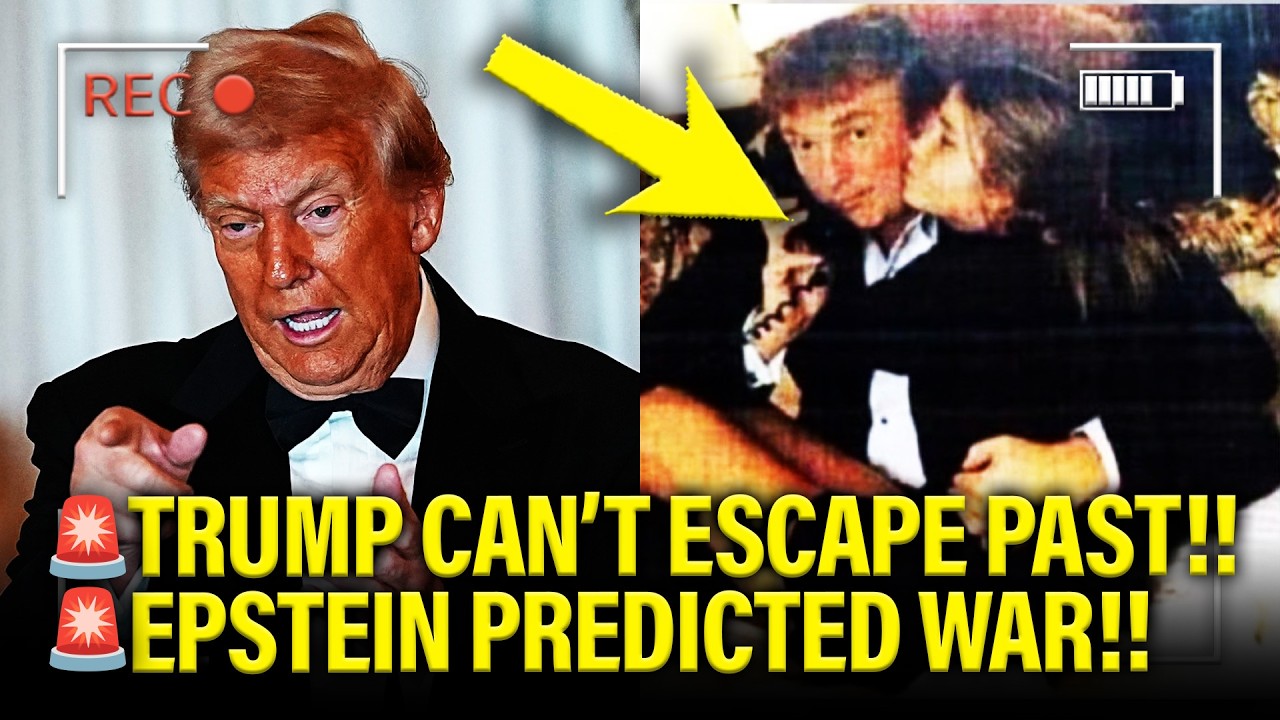
Epstein further speculated on scenarios involving Iran, Syria, or other adversaries, suggesting Trump might “do things that might encourage a real problem so he can rush to the country’s defense.” He referenced potential trades or escalations, including bombing Iran, noting from Trump’s perspective it might not seem “crazy.” Bannon responded with surprise at the level of desperation implied.
These exchanges have gained renewed attention amid the ongoing U.S.-Israeli operation—officially dubbed Operation Epic Fury—that began with preemptive strikes on Iranian targets, including the killing of Supreme Leader Ayatollah Ali Khamenei. Iran retaliated with missile and drone attacks on Israel, Gulf states, and U.S. assets, disrupting shipping through the Strait of Hormuz and raising fears of broader escalation.
Critics and online commentators have dubbed the conflict “Operation Epstein Fury,” suggesting it serves as a distraction from fresh Epstein file disclosures implicating high-profile figures. President Trump, speaking shortly after the strikes, claimed he had been “fully exonerated” in the Epstein matter and described Commerce Secretary Howard Lutnick as “a very innocent guy,” despite ongoing scrutiny of associations.
The Epstein-Bannon texts align with broader patterns in the released files, which detail Epstein’s extensive network. Separately, hacked emails from former Israeli Prime Minister Ehud Barak—obtained by the Iranian-linked hacker group Handala and published by outlets like Drop Site News—show Epstein advising Barak on backchannel diplomacy with Russia during the Syrian civil war (2013–2016). Epstein helped draft messages urging Russian cooperation to remove Bashar al-Assad, while warning of Iran’s nuclear progress and the risks of inaction. These communications emphasized strategic distractions and the dangers of allowing threats like Iran’s program to advance unchecked—echoing pretexts cited in the current campaign.
The Barak-Epstein collaboration, spanning business ventures in Israeli defense tech and global influence operations, failed to unseat Assad but deepened covert Moscow-Tel Aviv ties. Some observers note parallels: Trump’s administration has pursued alignments involving Syria’s new leadership under figures once tied to extremist networks, now aligned with Russia—outcomes Epstein and Barak once sought.
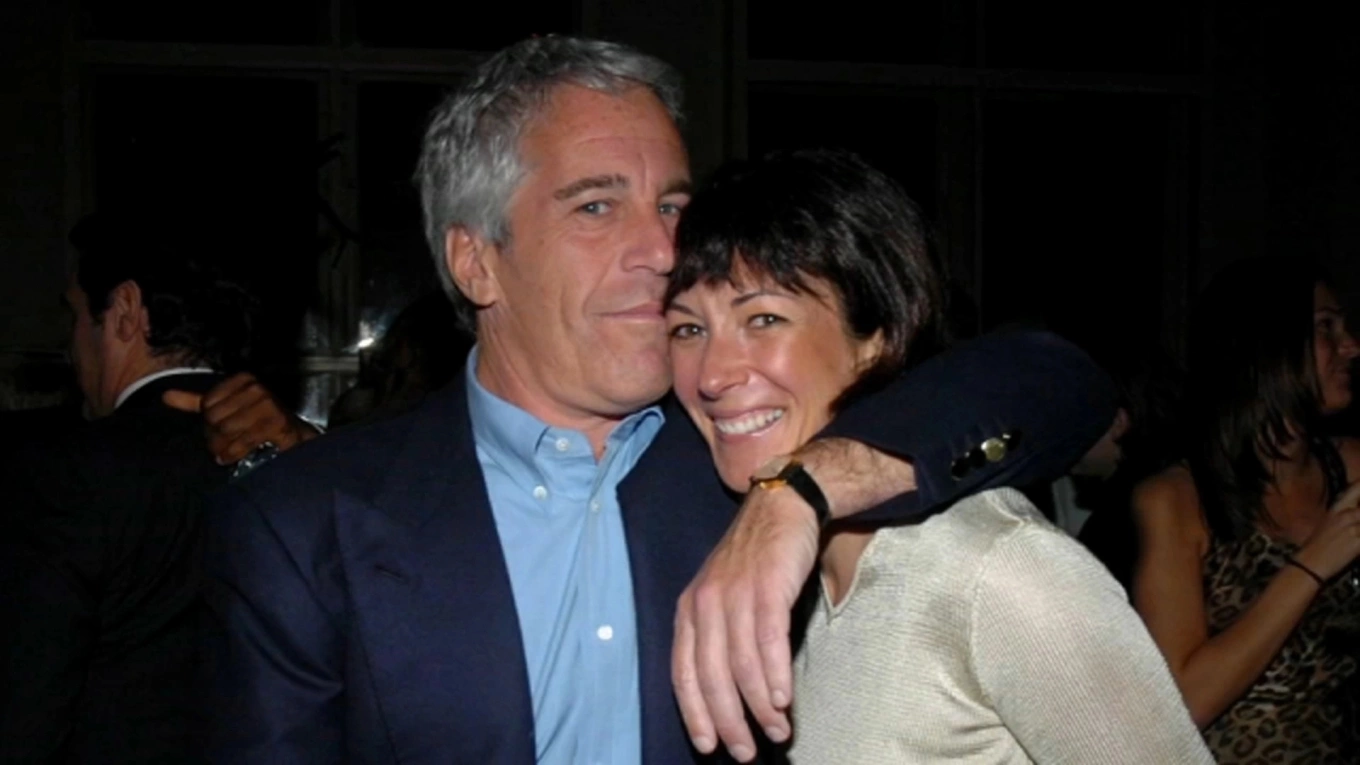
The timing has intensified speculation. As Epstein files continue to emerge—with redactions and missing terabytes drawing criticism—the strikes followed depositions of Bill and Hillary Clinton in a House Oversight probe. Republicans delayed full video releases, prompting accusations of selective timing to shift focus. Rep. Jamie Raskin (D-Md.) condemned the unilateral action as unconstitutional, urging Congress to reconvene for a war declaration vote, citing distractions from tariffs, inflation, and Epstein scrutiny.
Trump has framed the operation as necessary to counter Iran’s nuclear and missile threats, vowing swift resolution or overwhelming force. Yet the Epstein prediction has amplified doubts, with social media users and commentators questioning whether domestic political pressures influenced the decision.
The resurfacing of these messages underscores Epstein’s uncanny insight into power dynamics, even as questions linger about the full scope of his files and their implications. Whether coincidence or calculation, the overlap between scandal revelations and military action has deepened public unease over transparency, accountability, and the motivations behind America’s deepening involvement in the Middle East.