Democratic Leader Accuses Trump of Seeking to ‘Nationalize’ Elections, Escalating 2026 Fight
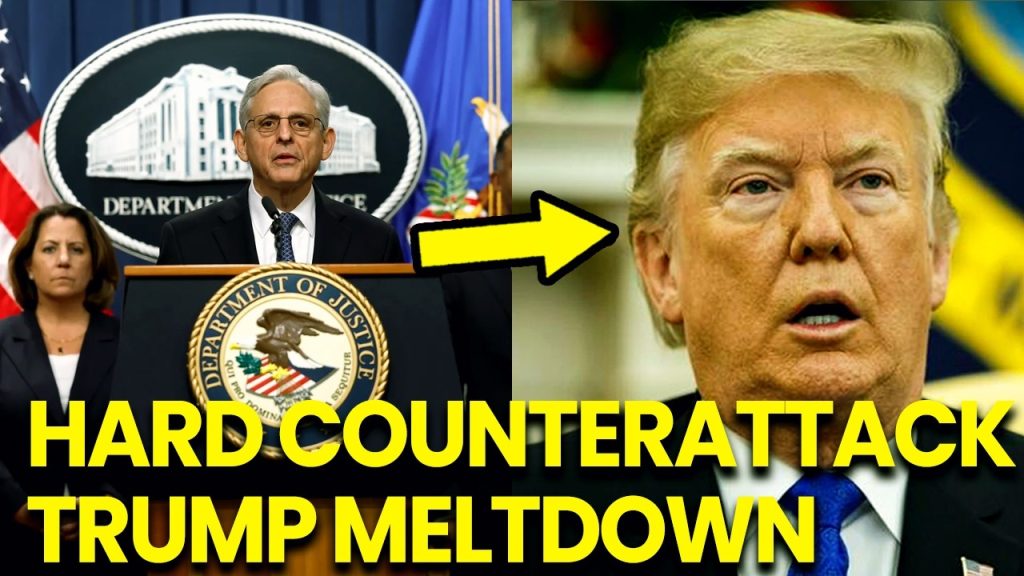
WASHINGTON — A sharp new clash over the future of American elections unfolded this week after Representative Hakeem Jeffries publicly accused President Donald Trump of attempting to “nationalize” the 2026 midterm elections — a move he characterized as an effort to tilt the system before votes are cast.
The remarks, delivered during a nationally televised interview, marked one of the most direct confrontations yet between Democratic leadership and the White House over election administration. Mr. Jeffries, who would become Speaker if Democrats retake the House, framed the coming midterms as a defining test of constitutional boundaries.
“Translation: steal it,” Mr. Jeffries said, interpreting Mr. Trump’s own language about nationalizing elections. “And we’re not going to let it happen.”
The exchange underscores the increasingly high stakes surrounding the 2026 midterm elections, which will determine control of Congress and, with it, the scope of oversight facing the administration during the final stretch of Mr. Trump’s term.
A Dispute Over Authority
The confrontation centers on the president’s recent comments suggesting that Republicans should “take over” voting processes in certain jurisdictions — language that critics argue signals federal intervention into state-run elections.
Under the Constitution, states retain primary authority over election administration, though Congress sets parameters for federal races. The executive branch traditionally plays no direct role in overseeing vote counting or certification.
That distinction became central in a recent federal court decision in Seattle. Judge John Chun ruled that an executive order seeking to condition federal funds on changes to state voting procedures exceeded presidential authority. The court found that the Constitution does not grant the president unilateral power over election administration.
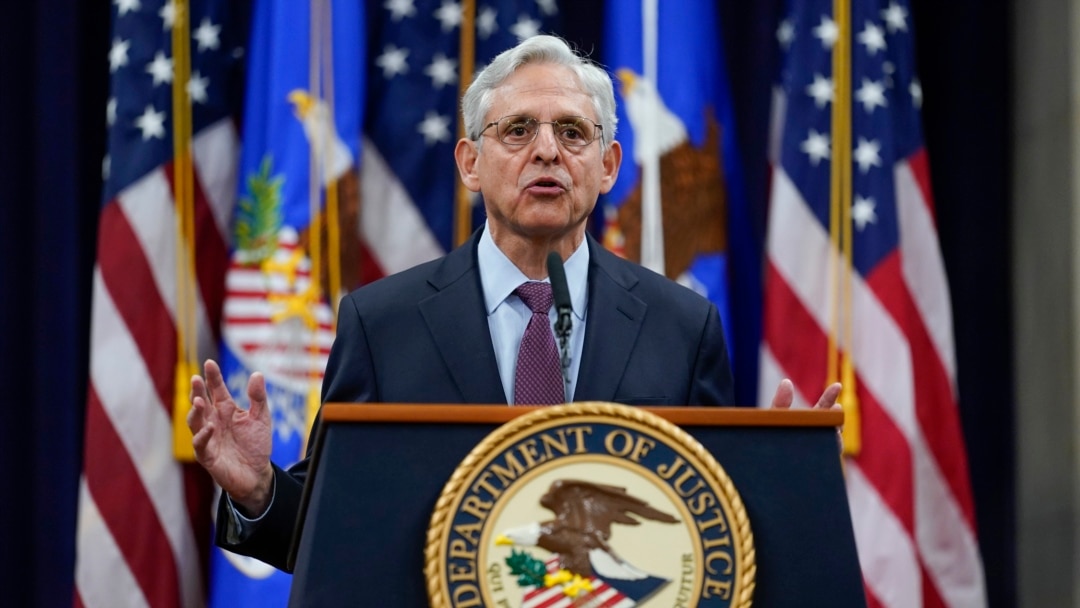
The ruling temporarily blocked the measure, but it did not resolve the broader political dispute. Mr. Trump has continued to argue that certain jurisdictions are vulnerable to fraud — claims that courts have repeatedly rejected in prior litigation.
Democratic leaders contend that framing election oversight as a federal responsibility risks eroding longstanding guardrails. “Congress can only function as a check if elections remain free and fair,” one Democratic strategist said. “Once administration of elections becomes politicized at the executive level, everything else shifts.”
Republicans, for their part, argue that uniform standards can strengthen confidence in voting systems. Several conservative lawmakers have defended the president’s rhetoric as a call for consistency rather than federal takeover.
A Pattern of Escalation
Mr. Jeffries’ comments did not occur in isolation. In recent months, Democrats have escalated their warnings about what they describe as executive overreach across multiple fronts — from foreign policy actions taken without explicit congressional authorization to disputes over federal funding allocations.
Representative Al Green has introduced articles of impeachment related to separate allegations of abuse of power. Senator Ed Markey has publicly floated invoking constitutional remedies in response to foreign policy decisions he considers destabilizing.
The election dispute now appears to be joining that broader narrative. For Mr. Jeffries, the issue is less about one executive order than about what he called a “pattern of consolidation.”
Political analysts note that election rhetoric carries unique weight. Accusations of attempting to “steal” an election strike at the core legitimacy of governance, and such language is rarely deployed by top congressional leaders without calculation.
“This is not routine partisan criticism,” said one constitutional scholar. “When the House minority leader says the president is trying to rewrite election rules to predetermine outcomes, that signals a belief that institutional safeguards are under stress.”
The Midterm Calculus
Control of the House in 2026 will shape the remainder of Mr. Trump’s presidency. A Democratic majority could initiate investigations, subpoena executive officials and shape the legislative agenda. A Republican majority would likely preserve alignment between Congress and the White House.
For that reason, both parties view the midterms as unusually consequential.
Mr. Jeffries’ decision to elevate election administration to the center of the political debate suggests Democrats intend to campaign on protecting institutional norms as much as on economic or social policy.

Public opinion remains sharply divided. Polling indicates that concerns about election integrity vary widely by party affiliation. While Democratic voters express anxiety about federal interference, many Republican voters remain focused on claims of past irregularities.
Legal experts caution that most structural changes to election administration require either congressional legislation or state-level action. Courts have thus far served as a brake on executive initiatives perceived as overreaching.
Still, litigation is reactive by nature. “The judiciary can strike down unconstitutional actions,” one former federal judge said. “But it cannot preemptively insulate every aspect of the electoral process from political pressure.”
A Defining Confrontation
By drawing a direct line between the president’s rhetoric and the integrity of the 2026 vote, Mr. Jeffries has framed the next election cycle as a referendum not only on policy but on process itself.
The president has not conceded that his proposals constitute federal control, maintaining that his aim is to ensure uniform enforcement of voting standards. Supporters argue that Democrats are overinterpreting campaign language.
Yet the tone of the exchange suggests that neither side intends to retreat. Mr. Jeffries has publicly committed his caucus to challenge what he views as attempts to centralize authority. Mr. Trump has continued to test the boundaries of executive power in other arenas.
The clash reflects a broader moment of constitutional friction — one in which disputes over procedure are becoming as politically charged as disputes over ideology.
Whether the courts, Congress and state governments can maintain the separation of powers amid sustained partisan conflict will likely determine not only the outcome of the midterms but the durability of institutional norms in the years ahead.