BY CUBUI
U.S. POLITICS | ANALYSIS — What should have been a routine policy moment turned into one of the most revealing public breakdowns of Donald Trump’s presidency. During a roundtable on rural health care, followed by brief remarks to reporters before boarding Air Force One, Trump was asked a question any president promoting a major health care plan should be able to answer easily: how would it affect Americans’ insurance premiums?
He never answered it.

Instead, the moment spiraled into a confusing mix of rambling claims, branding obsessions, tariff threats, and geopolitical tangents that exposed a deeper issue—Trump appears unprepared, or unwilling, to explain the substance of his own policy proposals once he moves even slightly outside his comfort zone.
The warning signs were present from the start. The roundtable itself felt rushed and thin on substance, with Trump repeatedly drifting away from health care specifics and toward personal grievances. At one point, he launched into a disjointed explanation of how Democrats mock him for not understanding numbers, insisting there are “two ways of calculating” drug price reductions while offering no cle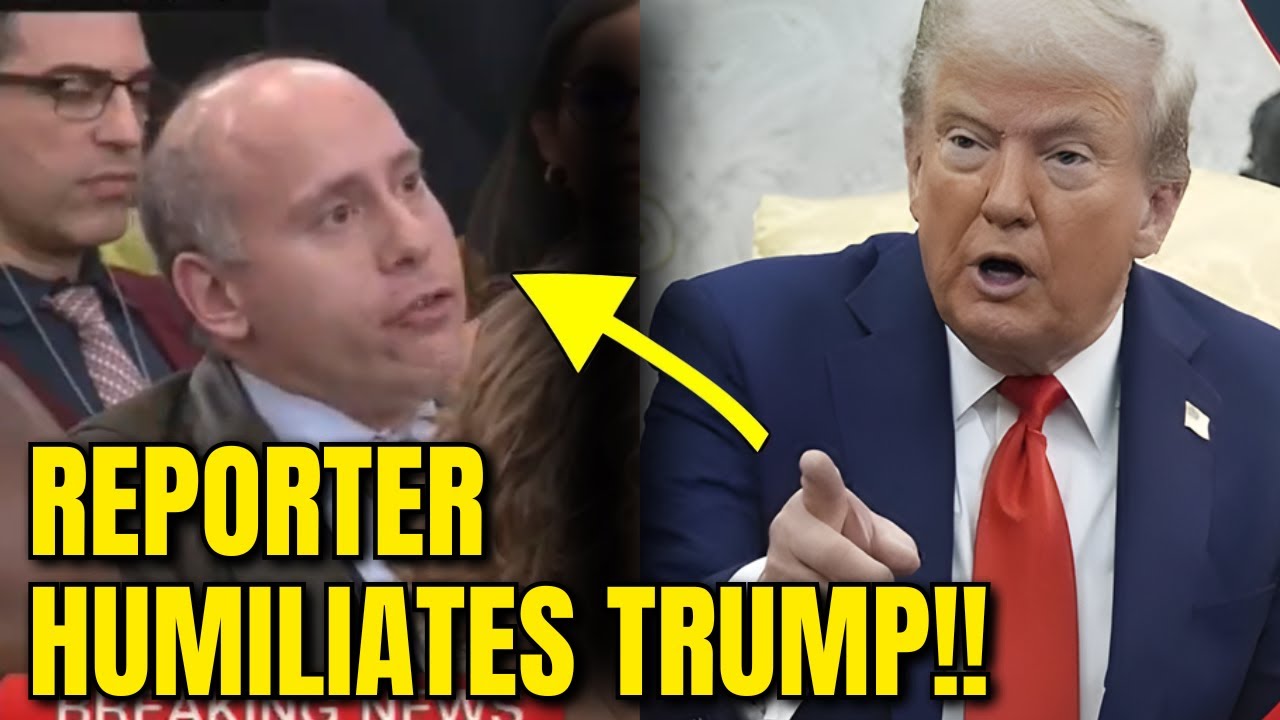 ar data, benchmarks, or mechanisms. The explanation was less about policy and more about defending his ego.
That theme continued throughout the event. Trump repeatedly claimed that prescription drug prices would fall by unprecedented amounts, but never clarified how those savings would be measured, enforced, or sustained. Instead of grounding his remarks in policy frameworks, he leaned on superlatives and vague assurances, a rhetorical style that may energize supporters but collapses under scrutiny.

The moment grew stranger when Trump abruptly pivoted from health care to foreign policy, threatening tariffs against allies—including Germany—if they failed to comply with his demands. He even floated the idea of using economic pressure tied to Greenland, presenting it as somehow connected to health care savings. The leap was jarring. What should have been a focused discussion on rural medical access morphed into an improvised monologue about national security, tariffs, and territorial obsession.
Equally revealing was Trump’s explanation of how he named his health care plan. Rather than outlining coverage expansions, cost controls, or eligibility rules, he described a branding exercise. He rejected longer names because they “wouldn’t sell” and ultimately settled on calling it simply “the great health care plan.” In Trump’s telling, a good name was not a reflection of good policy, but a substitute for it.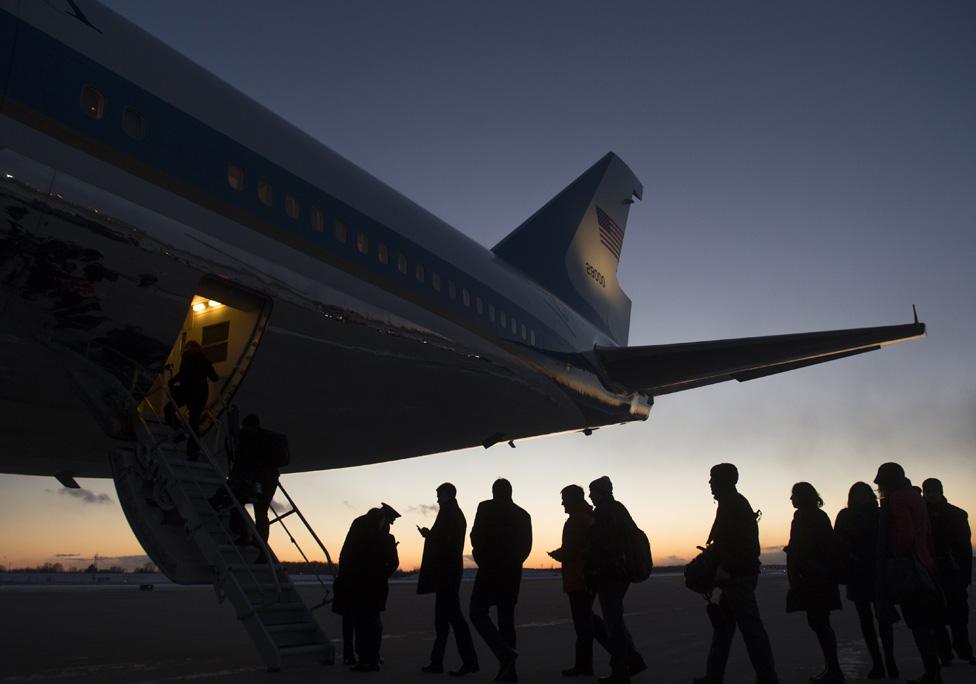
This emphasis on marketing over mechanics is not new, but it became especially stark once reporters began asking unscripted questions. When Trump was asked about accepting another individual’s Nobel Peace Prize medal, he showed no hesitation or reflection, instead framing the moment entirely around praise and personal validation. The exchange reinforced a pattern: Trump is most comfortable when the conversation centers on admiration, not accountability.
That pattern became more concerning when he was asked whether he would consider leaving NATO if the alliance failed to support his stance on Greenland. Rather than dismissing the premise or reassuring allies, Trump treated the idea casually, again blending national security with personal fixation. For a president, even suggesting the abandonment of a foundational alliance so lightly raised alarm bells among observers.
Then came the question that mattered most.
A reporter asked how Trump’s “great health care plan” would impact Americans’ insurance premiums. It was a straightforward, policy-level inquiry. Trump responded with familiar phrases—“tremendous,” “great,” “numbers never seen before”—but avoided specifics entirely. He spoke about drug prices, “most favored nation” pricing, and money going “directly to the people,” yet never explained how premiums would change, by how much, or for whom.
Crucially, he did not address risk. Health care costs are unpredictable. Emergencies do not allow for comparison shopping. Insurance exists to spread risk across populations. Trump’s answer suggested shifting responsibility onto individuals without explaining how they would be protected when costs inevitably spike. It sounded less like a plan and more like a slogan.
The absence of detail did not appear accidental. Vague promises allow flexibility and deflection. Specifics invite scrutiny. And when Trump is pressed for clarity, his responses tend to dissolve into repetition, redirection, or unrelated grievances.
This episode matters not because of a single awkward answer, but because it encapsulates a larger pattern. When Trump controls the stage and the script, he dominates through confidence and spectacle. When confronted with direct questions that demand precision, the performance falters.
For voters concerned about health care affordability—especially in rural America—the exchange offered little reassurance. For political observers, it raised deeper concerns about readiness, coherence, and seriousness. And for allies and adversaries alike, the ease with which Trump blended domestic policy, global alliances, and personal obsessions underscored a governing style driven more by impulse than structure.
In the end, the most telling moment was not what Trump said, but what he could not say. Asked to explain his own policy’s impact on premiums, he had no clear answer. That silence, filled with words but empty of substance, may linger far longer than any slogan.