CANADA PUSHES BACK AS TENSIONS RISE WITH TRUMP ADMINISTRATION
A diplomatic dispute between Canada and the Trump administration is drawing international attention, highlighting growing strains in global trade and alliance politics.
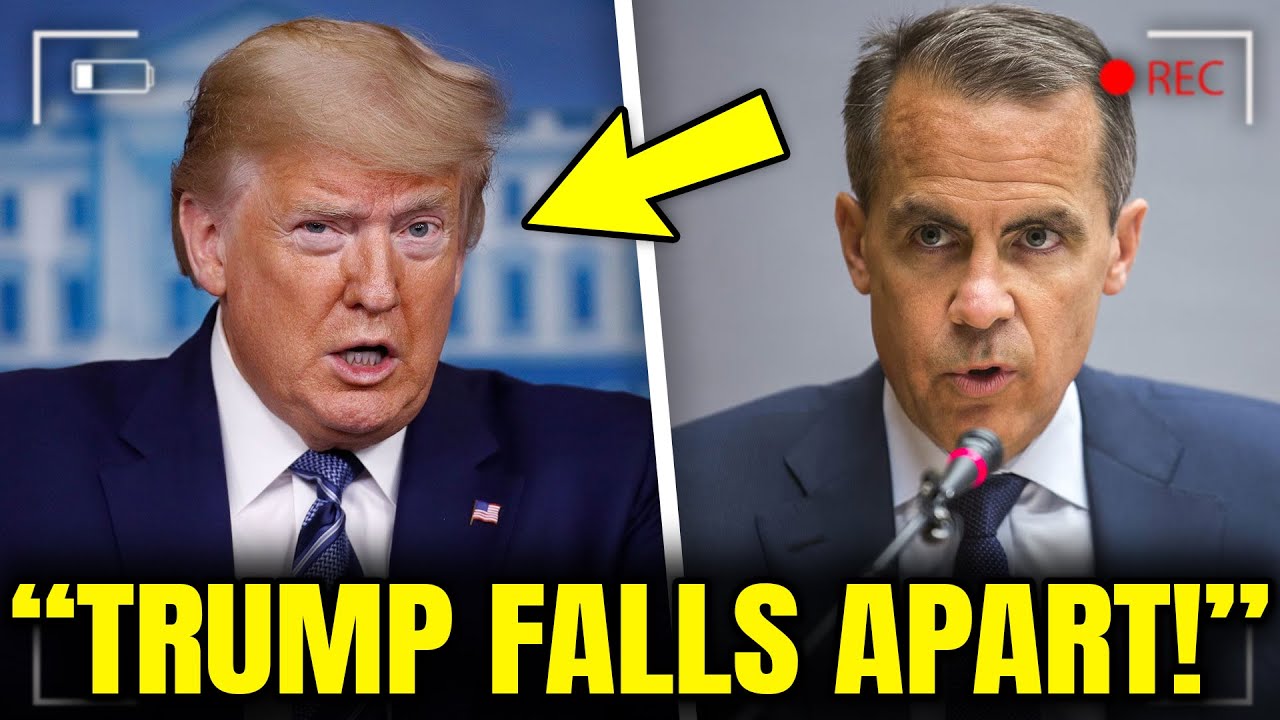
The issue began after Canadian Prime Minister Mark Carney delivered a widely discussed speech at the World Economic Forum in Davos, where he warned that economic pressure, tariffs, and coercive trade practices are increasingly being used by major powers. While Carney did not name the United States directly, many observers interpreted the remarks as a critique of U.S. economic strategy under President Donald Trump.
Shortly after the speech, U.S. Treasury Secretary Scott Bessent claimed publicly that Carney had “walked back” his comments during a private phone call with Trump. According to Bessent, the Canadian leader had softened his stance behind closed doors.
Canada quickly rejected that version of events.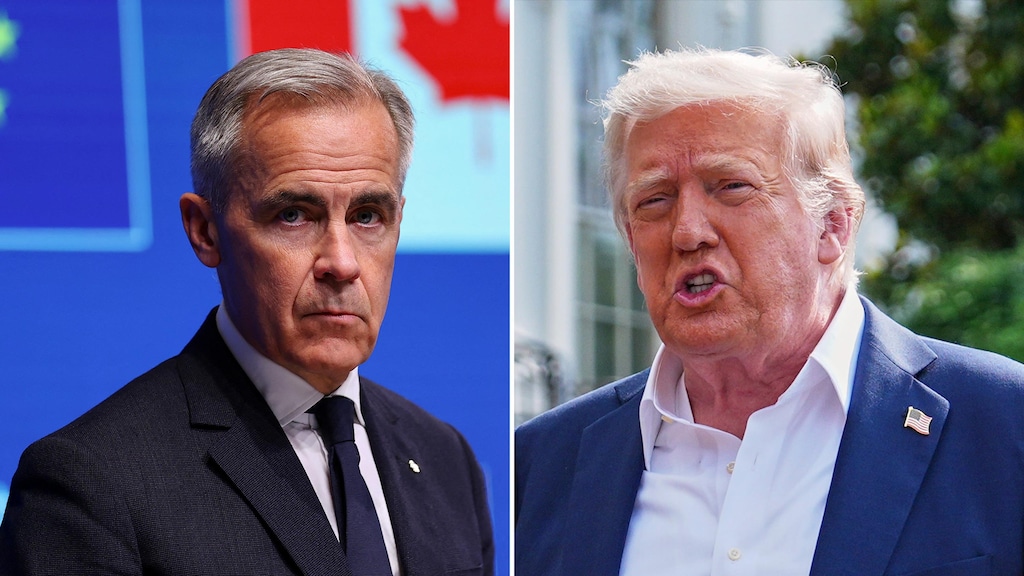
Speaking to reporters in Ottawa, Carney stated clearly that he stood by his Davos remarks and did not retract or revise his position during the call. He described the conversation with Trump as wide-ranging, covering Arctic security, Venezuela, trade diversification, and the future of the USMCA (CUSMA) agreement. Carney emphasized that Canada’s strategy remains focused on expanding trade relationships beyond a single partner.
Canadian officials say the dispute reflects a broader disagreement over how international economic relationships should function. While Washington has defended tariffs and trade pressure as necessary leverage, critics argue these tactics risk damaging long-standing alliances and global cooperation.
The exchange escalated after President Trump made comments suggesting that Canada depends heavily on the United States for its economic success. Those remarks were met with pushback from Canadian leaders and commentators, who stressed that Canada is a sovereign nation with diverse global partnerships.

Analysts note that this public disagreement is unusual in its tone. Rather than smoothing over differences quietly, both sides have openly contradicted each other’s accounts—something rarely seen between close allies. Some observers view this as a sign that middle powers like Canada are becoming more willing to challenge U.S. narratives when disputes arise.
The timing is also significant. The USMCA trade agreement is approaching a review period, and tensions over tariffs, China-related trade, and economic independence could complicate negotiations. Businesses and policymakers on both sides of the border are watching closely, as billions of dollars in cross-border trade are at stake.
While U.S. officials have suggested that cooperation remains possible, Carney’s remarks signal that Canada intends to assert greater economic autonomy and resist pressure it views as mischaracterizing its policies.
Whether this dispute cools down or intensifies may shape the future of U.S.–Canada relations—and could influence how other allied nations respond to similar trade pressures moving forward.
👇👇