A fatal shooting during a federal immigration enforcement operation in South Minneapolis has intensified scrutiny of the Trump administration’s expanded use of Immigration and Customs Enforcement agents, prompting protests, official statements from city and state leaders, and sharply conflicting accounts of what led to the death of a U.S. citizen.
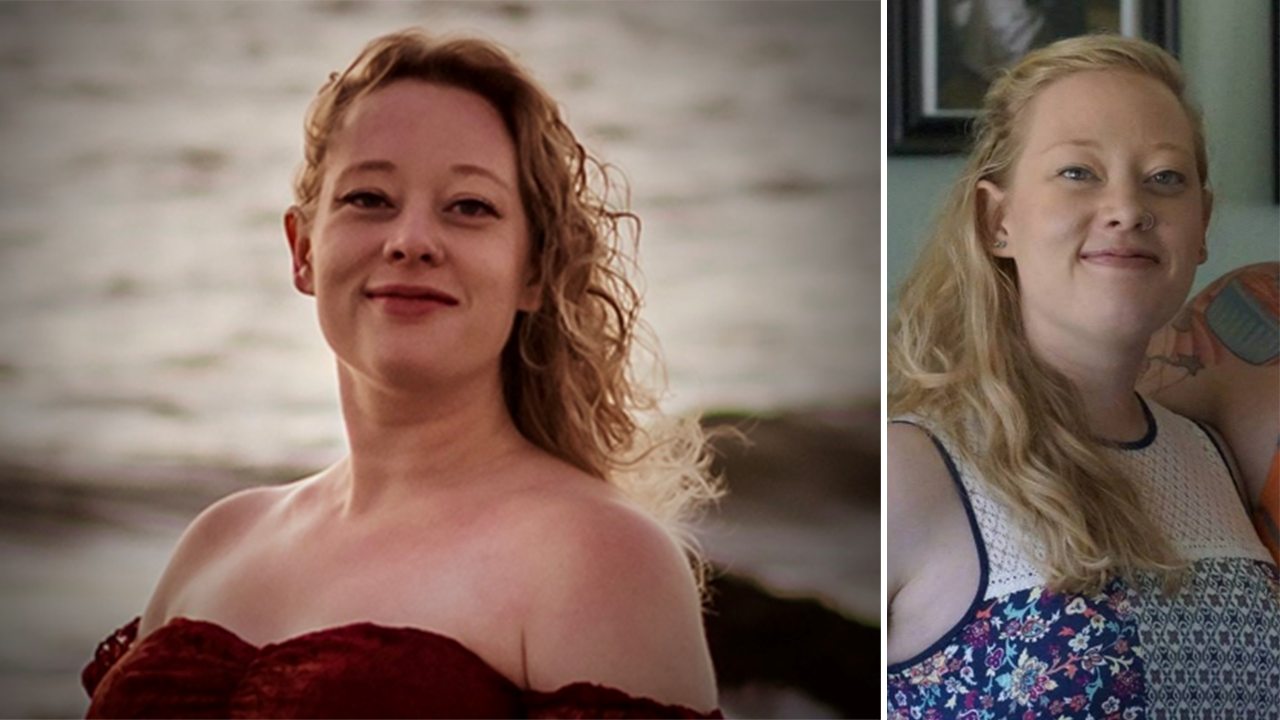
The woman, identified by family members and local officials as Renee Nicole Good, 37, was killed Tuesday afternoon near the intersection of East 34th Street and Portland Avenue, an area where federal agents were conducting an Immigration and Customs Enforcement operation amid ongoing demonstrations against immigration raids. Authorities confirmed that Ms. Good was an American citizen.
The Department of Homeland Security said ICE agents fired their weapons after a vehicle was used in a manner they described as a threat to officers. Witnesses and protesters at the scene, however, disputed that account, saying video footage shows Ms. Good attempting to leave the area rather than advance toward agents. The shooting is now under investigation by federal authorities, while city officials have demanded transparency and accountability.
The incident occurred during a period of heightened federal activity in Minnesota. In recent days, the Trump administration has deployed a large contingent of ICE and Department of Homeland Security personnel to the Minneapolis area as part of a broader enforcement initiative. The operation coincided with protests in several neighborhoods, particularly in South Minneapolis, where residents have objected to what they describe as militarized raids and aggressive tactics.
According to multiple eyewitnesses, Ms. Good’s vehicle became entangled in a tense encounter with federal agents amid street congestion and shouting. Video clips circulating on social media, verified by local journalists as taken at the scene, show armed agents positioned alongside the driver’s side of a car, followed by gunfire. The footage does not clearly show what occurred inside the vehicle, a fact that has become central to competing interpretations of the shooting.

The Department of Homeland Security, led by Secretary Kristi Noem, said in a statement that the shooting was an act of self-defense. Ms. Noem described the incident as “a domestic terror-style assault” against ICE officers, asserting that the vehicle was used to endanger agents. “Our officers acted to protect themselves and those around them,” she said, adding that the Department of Justice would review the case.
Civil liberties groups and local officials have rejected that characterization. Jacob Frey, the mayor of Minneapolis, said city leaders had warned federal authorities that large-scale ICE deployments risked exactly this type of escalation. “We feared a loss of life,” Mr. Frey said in a briefing. “That fear has now been realized.” He called for an independent investigation and urged federal agencies to release all relevant footage and reports.
Minnesota’s senior U.S. senator, Tina Smith, said she had been briefed on the incident and confirmed that the deceased was a U.S. citizen. In a statement, she called the situation “deeply disturbing” and said Congress would seek answers about the rules of engagement used by federal agents during domestic enforcement actions.
The shooting has prompted demonstrations across Minneapolis, with crowds gathering near the site of the killing and outside federal buildings downtown. Protesters chanted for the arrest of the agent involved and accused the administration of criminalizing dissent. Videos posted by local journalists show federal officers deploying crowd-control munitions as demonstrators pressed toward police lines.

The Trump administration has defended the broader enforcement campaign. President Donald Trump has repeatedly called for expanded ICE authority and has framed immigration enforcement as a matter of national security. Administration officials say agents are instructed to focus on individuals with criminal records and insist that lawful residents and citizens “have nothing to fear” from enforcement operations.
That assertion has been sharply questioned in the wake of Ms. Good’s death. “A citizen is dead after an encounter with federal agents,” said an attorney with the American Civil Liberties Union of Minnesota. “That fact alone demands a full accounting of how force is being used and under what authority.”
Legal experts note that ICE agents, like other federal law enforcement officers, are authorized to use deadly force only when they reasonably believe there is an imminent threat of death or serious bodily harm. Whether that standard was met in this case will be a central question for investigators. Video evidence, witness testimony, radio communications, and body-camera footage—if available—are expected to play a decisive role.
The Department of Justice said it has opened a review but declined to provide details, citing the ongoing investigation. ICE has not released the name of the agent who fired the fatal shots.

For residents of South Minneapolis, the episode has deepened existing tensions. Community leaders say fear has spread well beyond immigrant neighborhoods. “People are afraid to leave their homes,” said one organizer who helped coordinate protests. “This is no longer abstract policy. This is about whether federal power is being exercised safely and lawfully in our streets.”
The killing comes amid a broader national debate over the scope of immigration enforcement and the militarization of federal agencies. In recent years, ICE operations have increasingly resembled tactical deployments, with agents in body armor, unmarked vehicles, and coordinated raids. Critics argue that such tactics heighten the risk of violent encounters, particularly during protests or in densely populated urban areas.
What happened in South Minneapolis may ultimately hinge on facts that have yet to be publicly established. For now, there is a confirmed death, sharply diverging official and eyewitness accounts, and mounting political pressure for transparency. City officials have requested federal cooperation, protesters continue to demand justice, and investigators are working to determine whether the use of lethal force was justified.
As the inquiry proceeds, the episode has already become a flashpoint in the national conversation about federal power, public safety, and accountability. Whether it leads to policy changes or legal consequences remains uncertain. But for many Minnesotans, the image of a citizen killed during a federal operation has left a lasting mark—and raised questions that will not fade quickly.