Elon Musk and Joe Rogan Slam Keir Starmer Over UK Free Speech Crackdown
Elon Musk and Joe Rogan have launched a blistering attack on UK Prime Minister Keir Starmer, accusing his government of leading an unprecedented crackdown on free speech. In viral comments and podcast discussions, the two influential figures warned that Britain is drifting toward authoritarianism, as arrests and prosecutions for social media posts and peaceful protests surge across the country.
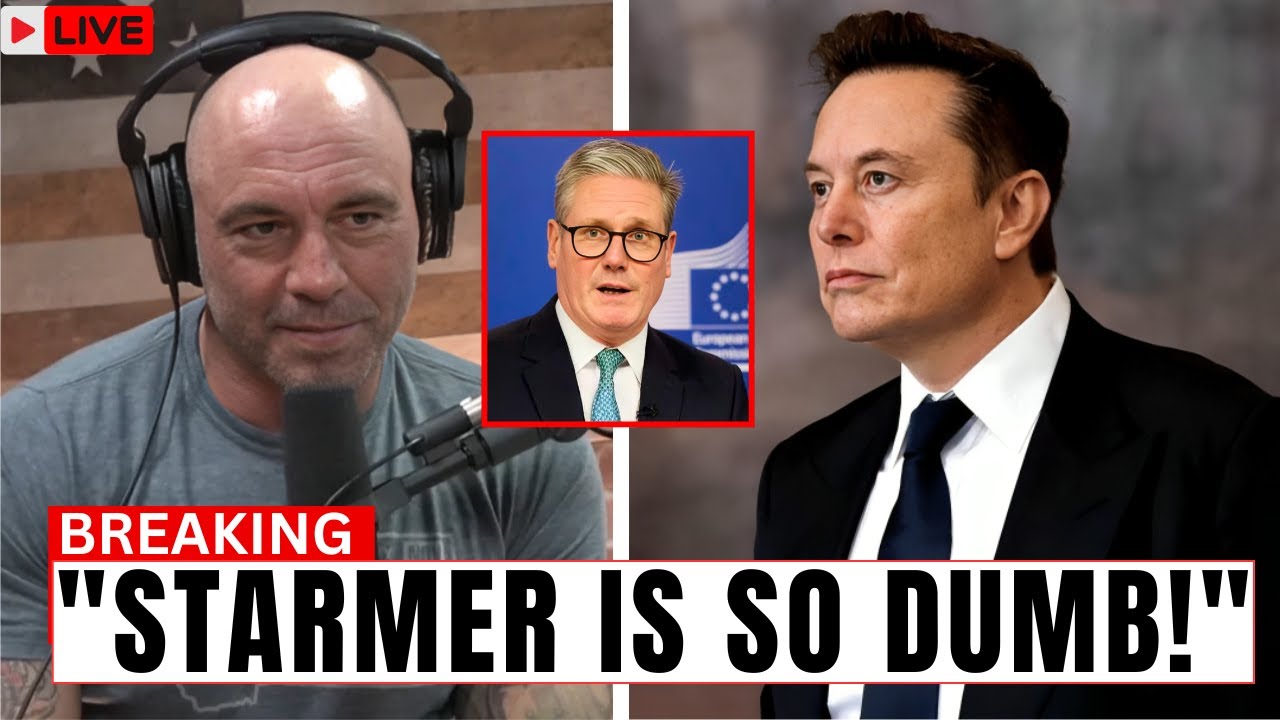
The controversy centers on new and expanded UK laws that critics say criminalize speech deemed “harmful” rather than illegal. Musk and Rogan highlighted reports that thousands of people in the UK have faced arrests or even prison sentences over online comments with no direct link to violence. Rogan described the situation as “bananas,” questioning how speech alone could justify jail time, especially as British prisons struggle with overcrowding.
Musk’s criticism focused heavily on the UK’s Online Safety framework, which gives authorities broad power to pressure platforms to remove vaguely defined content. While the government argues the measures are necessary to combat misinformation and protect public order, Musk warned that allowing the state to decide what counts as “harmful” speech is a fast track to digital tyranny. He has repeatedly argued that censorship, once normalized, inevitably expands.
Joe Rogan took a more visceral approach, zeroing in on arrests linked to protests and symbolic acts of dissent. He mocked the idea that peaceful demonstrations or controversial opinions could be treated as public order threats, calling the policies “Orwellian.” For Rogan, the issue was simple: a country that once championed civil liberties now appears willing to jail citizens for being loud, unpopular, or politically inconvenient.
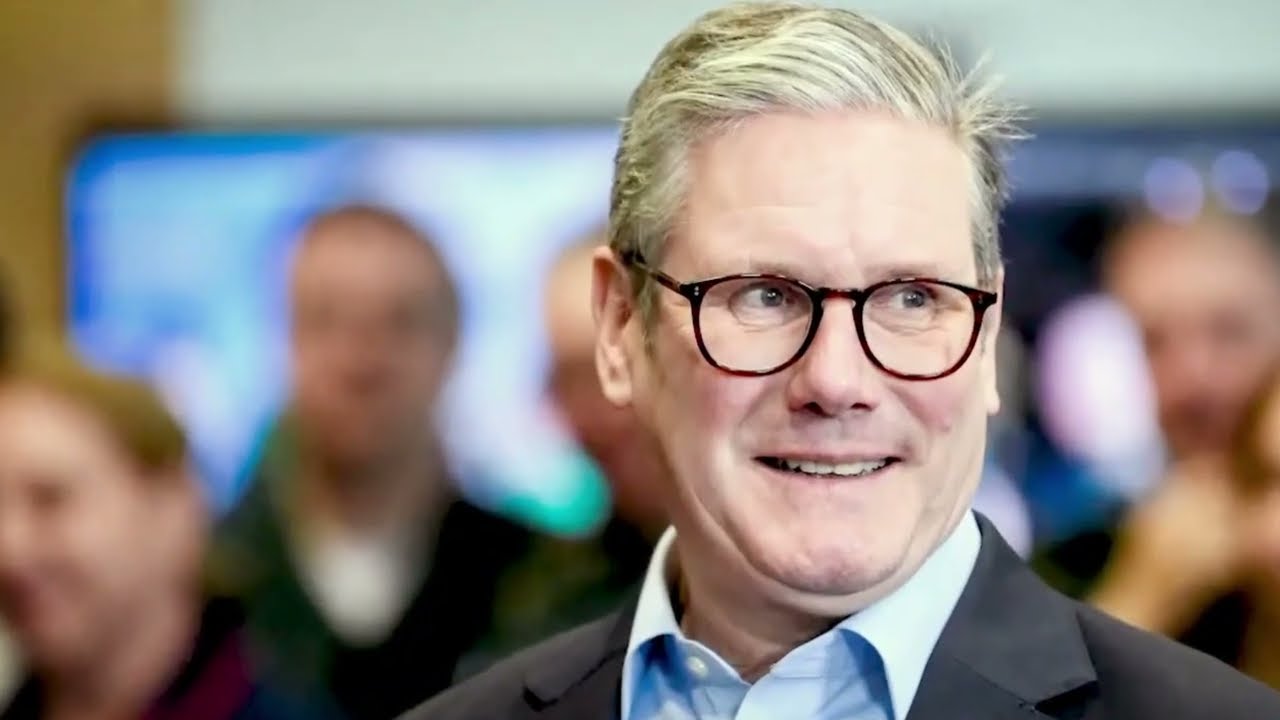
Starmer, for his part, has largely brushed off the criticism, suggesting that public concerns about healthcare and the economy matter more than what is said on social media. His allies argue the laws are targeted, proportionate, and designed to protect victims. Critics, however, see a pattern of silence and deflection, accusing the Prime Minister of quietly endorsing restrictions that chill open debate.
The backlash has extended beyond Musk and Rogan. Civil liberties groups, journalists, and activists warn that the UK risks setting a dangerous precedent for other democracies. They point to cases involving arrests for silent protests, offensive tweets, or controversial opinions as evidence that the line between public safety and thought policing is being dangerously blurred.
Supporters of Starmer counter that free speech is not absolute and must be balanced against harm, hate, and disorder. Yet opponents argue that once governments begin legislating “feelings” or “encouragement,” freedom becomes conditional. Musk and Rogan’s unusual alignment has amplified these concerns globally, turning a domestic UK issue into an international flashpoint.
As the debate intensifies, one message is resonating far beyond Britain: when a tech billionaire and a podcast host both sound the alarm on civil liberties, it may signal more than culture-war noise. Whether Starmer’s approach is remembered as responsible governance or the start of a broader free speech rollback could define not only his leadership, but the future of democratic expression in the UK.