WASHINGTON, Feb. 25, 2026 — Opposition to President Donald Trump’s proposed expansion of the White House’s East Wing is emerging from an unexpected quarter: members of his own party.
Representative Michael R. Turner, an Ohio Republican and head of the Congressional Historic Preservation Caucus, has raised formal concerns about the project, citing what he describes as a lack of consultation, transparency and adherence to established review procedures. While Mr. Turner has not publicly criticized the president in forceful terms, a letter he sent to administration officials outlines multiple objections to the process surrounding the construction.
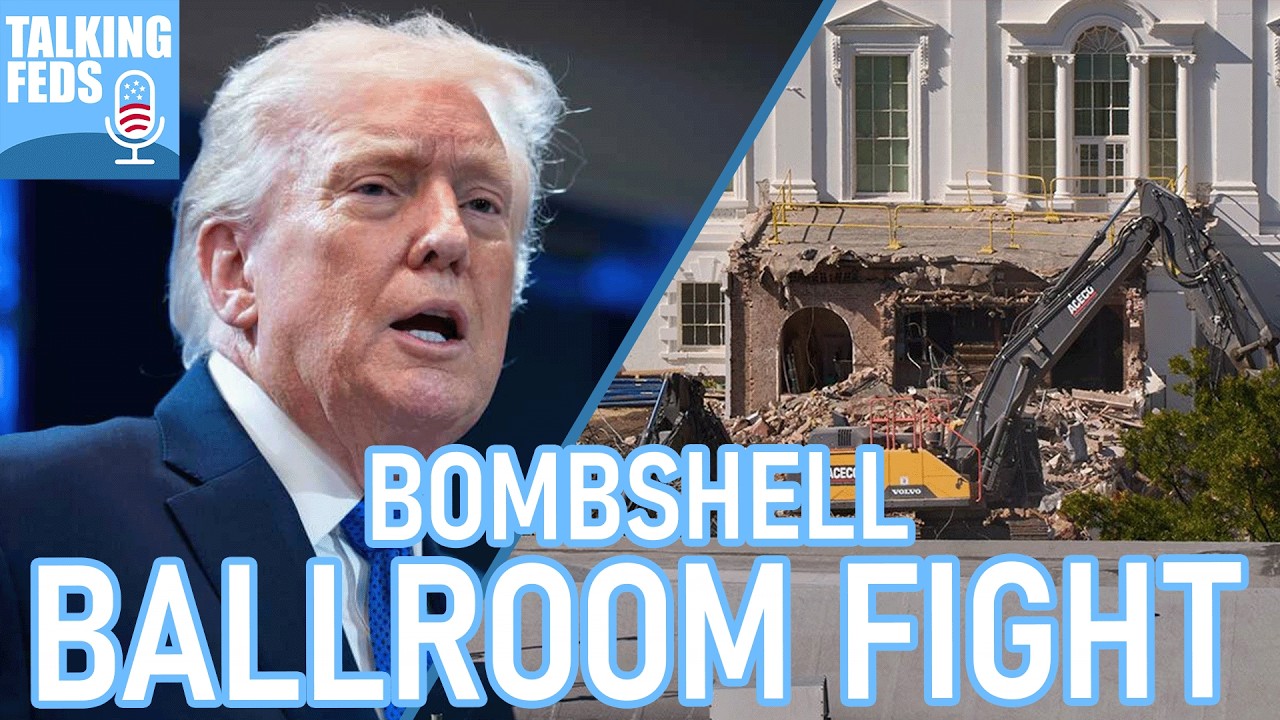
At issue is a large excavation site adjacent to the East Wing of the White House that appeared without prior public notice or visible approval from oversight bodies typically involved in federal construction projects in the capital. Preservation advocates say the White House, long noted for its restrained neoclassical design and symbolic modesty compared with European executive residences, is subject to planning rules intended to protect its historic character.
Mr. Turner’s letter, addressed to the White House staff secretary and to the chair of the National Capital Planning Commission, reportedly lists nine concerns, including whether the commission was properly consulted before excavation began. The commission reviews major federal projects in the Washington region for consistency with planning and historic preservation standards.
According to people familiar with the correspondence, the administration did not respond for several weeks. When it did, officials argued that current law requires formal review only for vertical construction — not for preliminary excavation. In court filings related to the dispute, government lawyers have advanced a similar argument, asserting that because only groundwork has been completed so far, certain regulatory triggers have not yet been activated.
Critics call that interpretation overly technical. They argue that excavation of this scale is inseparable from the broader construction plan and should have undergone review before work began. Some also question whether proceeding without prior approval creates a practical obstacle to later legal challenges, since reversing the project after substantial groundwork could prove difficult.
The dispute has now reached federal court, where it is being overseen by Judge Richard J. Leon of the U.S. District Court for the District of Columbia. In earlier proceedings, Judge Leon indicated that because excavation had already occurred, certain claims might be moot. However, administration attorneys reportedly assured the court that appropriate planning processes would be followed going forward.
The White House has suggested that elements of the project involve sensitive security infrastructure, arguing that national security considerations limit the scope of public disclosure and judicial intervention. Opponents counter that security concerns do not negate the requirement to comply with environmental, historic preservation and planning laws.
Beyond the courtroom, the controversy is beginning to take on political dimensions. Some Republican lawmakers, according to aides, have heard objections from constituents concerned about altering the historic scale and character of the presidential residence. Public polling cited by critics suggests skepticism toward the project, though the White House has emphasized that private funds, not taxpayer dollars, would finance the expansion.
The administration has not released detailed renderings or a full cost estimate of the proposed addition. Supporters describe it as a modernization effort designed to address operational needs. Preservation advocates argue that any expansion must be carefully calibrated to maintain the building’s architectural integrity.
For now, the outcome rests partly with Judge Leon, who is expected to determine whether the administration must halt or modify the project pending further review. The case raises broader questions about executive authority, oversight and the stewardship of one of the nation’s most recognizable historic landmarks.
As construction equipment remains on site and legal briefs accumulate, both the political and legal battles appear far from resolved.