DOJ Faces Mounting Scrutiny Over Redactions in Epstein File Release
By Staff Writer
February 15, 2026
WASHINGTON — The Justice Department is facing intensifying scrutiny from lawmakers, watchdog groups and federal courts over its handling of documents related to the late financier Jeffrey Epstein.
At the center of the controversy is Attorney General Pam Bondi, who was tasked by President Donald Trump with overseeing compliance with the Epstein Files Transparency Act. The law requires the release of investigative materials while protecting the identities and privacy of victims.
In recent weeks, critics have accused the department of excessive redactions and delayed disclosures. Supporters of the department maintain that redactions are necessary to protect victims and safeguard ongoing investigations.
Lawmakers Demand Clarity
Representative Jasmine Crockett recently urged colleagues during a Judiciary Committee session to “focus on legislating rather than relitigating,” signaling frustration with what she described as partisan distractions. Other members of Congress, however, have argued that oversight is precisely the role of the Judiciary Committee.
Representative Dan Goldman sent a letter to the Justice Department questioning whether the redactions comply with statutory requirements. Goldman contended that portions of the release appear heavily blacked out and called for a detailed privilege log explaining why specific material was withheld.
Democratic lawmakers, including Representative Ayanna Pressley, have publicly shared examples of documents showing extensive redactions, arguing that the public deserves greater transparency.
The Redaction Debate
The Justice Department has stated that it has released more than 33,000 documents related to Epstein’s case and is continuing to process additional material. Bondi has repeatedly emphasized that the department is balancing transparency with the legal obligation to protect victims’ identities.
“There are hundreds of victims,” Bondi said in a recent media appearance. “We have to make sure their identities and personal information are protected.”
However, critics say the scope of redactions extends beyond victim privacy concerns. Some have questioned whether internal Department of Justice memoranda — reportedly containing discussions about investigative decisions — have also been withheld.
The department denies shielding any individual from scrutiny and says all redactions comply with federal law.
Court Involvement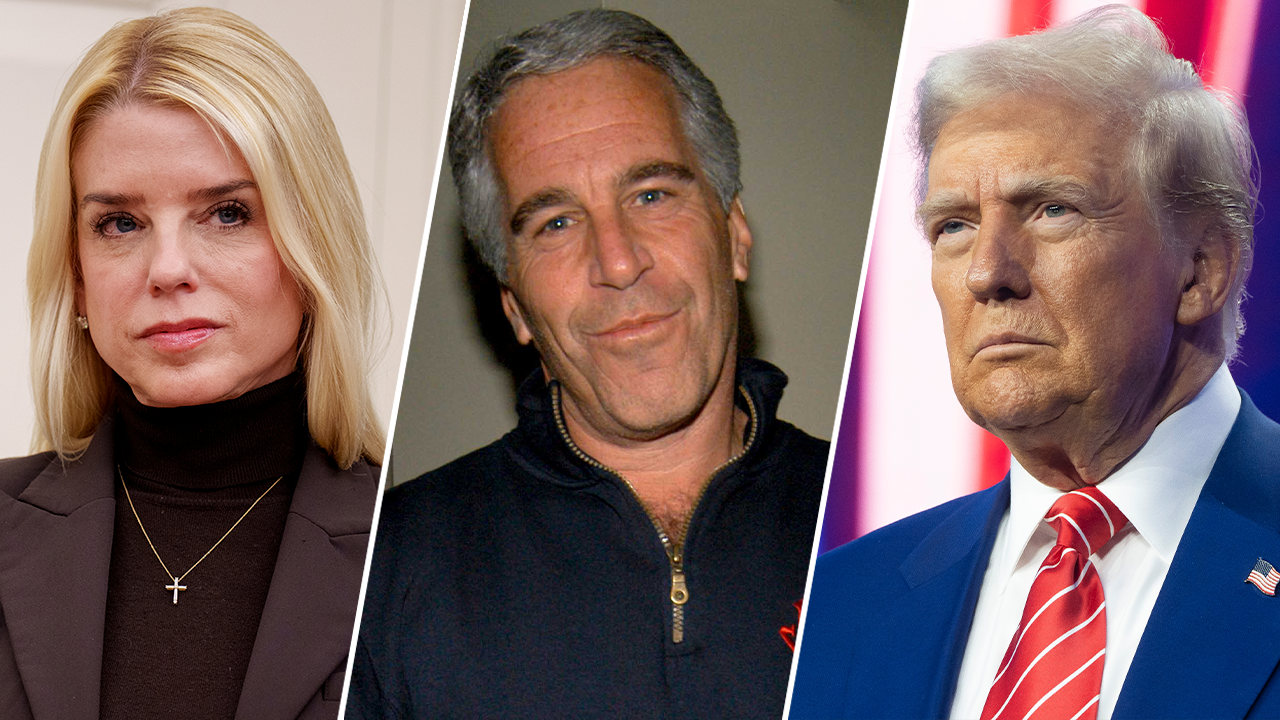
A federal judge has ordered the Justice Department to accelerate its processing of Freedom of Information Act (FOIA) requests related to the Epstein materials. Advocacy groups, including Democracy Forward, have filed lawsuits seeking access to internal communications about how redactions were determined.
The court has not concluded that wrongdoing occurred but has indicated that greater speed and clarity are warranted.
Legal experts note that FOIA disputes over high-profile cases frequently involve tensions between transparency and privacy protections. “In matters involving sexual exploitation cases, agencies often err on the side of protecting victims,” said one administrative law professor. “But when redactions appear excessive, that invites judicial review.”
Political Fallout
The controversy comes amid a volatile political environment. President Trump has framed the document release as a step toward openness, while critics argue that the rollout has been inconsistent and poorly managed.
Recent polling has shown fluctuations in public approval of the administration, though analysts caution against drawing direct causal links to the Epstein file dispute.
At the same time, Senate Judiciary Committee members, including Senator Dick Durbin, have pressed Bondi during hearings about missed deadlines and extension requests under the Transparency Act. Bondi has defended the department’s pace, citing the complexity of reviewing millions of pages of records.
Protecting Victims vs. Public Disclosure
Central to the debate is a legitimate tension: ensuring victim protection while honoring congressional mandates for transparency.
In prior document releases across administrations, sensitive material — including personal identifying information — has occasionally been inadvertently disclosed. Justice Department officials say they are taking a cautious approach to prevent similar mistakes.
Critics argue that caution should not become concealment.

What Happens Next
With lawsuits pending, court-ordered deadlines approaching and congressional oversight intensifying, the Justice Department’s handling of the Epstein files is likely to remain in the spotlight.
Further document releases could clarify whether redactions were narrowly tailored or overly broad. For now, the dispute underscores a broader challenge facing Washington: how to balance accountability, privacy and politics in one of the most scrutinized cases of the past decade.
As investigations and legal reviews continue, one question remains central — whether the current release process ultimately enhances public trust or further erodes it.