Caroline Leavitt Faces Backlash After Bad Bunny Controversy Sparks Accusations of Hypocrisy
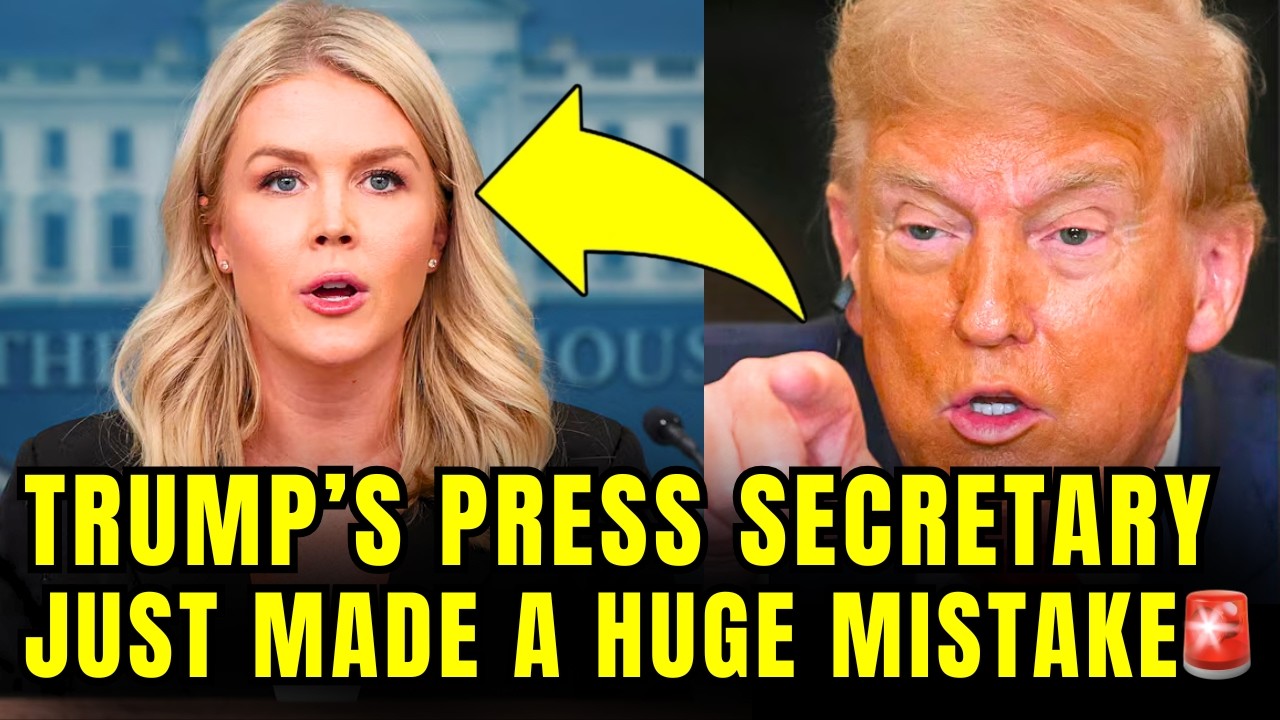
White House Press Secretary Karoline Leavitt is once again at the center of political controversy — this time not over policy, but pop culture.
The latest backlash erupted after resurfaced social media posts appeared to show Leavitt using music from global superstar Bad Bunny in a personal Instagram story — despite previously criticizing the artist publicly.
The moment has fueled accusations of inconsistency from critics who say her cultural commentary does not align with her private preferences.
The Super Bowl and the Grammys
The controversy traces back to Bad Bunny’s high-profile performances and political commentary earlier this year.
During Super Bowl weekend, the Puerto Rican artist delivered what many described as a celebration of Latino identity and Caribbean culture. The performance generated massive viewership and praise from fans, though it also sparked political reactions in conservative circles.
Leavitt was asked during a media appearance whether former President Donald Trump would prefer a Super Bowl halftime show featuring Bad Bunny or musician Kid Rock.
“I think the president would much prefer a Kid Rock performance,” she responded.
Later, Leavitt criticized celebrities who, in her view, “demonize law enforcement” while living in “gated communities with private security,” remarks widely interpreted as referencing Bad Bunny’s Grammy comments.
The Resurfaced Clip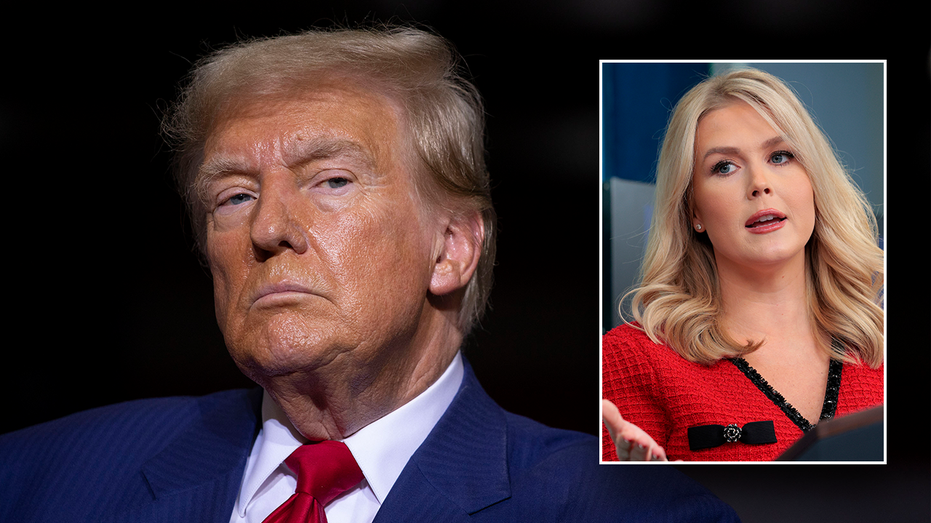
What reignited the issue, however, was a now-viral clip from Leavitt’s social media. In a year-end Instagram story, music playing in the background appeared to be Bad Bunny’s hit track “DTMF,” one of the artist’s most streamed songs globally.
Critics quickly seized on the clip, framing it as evidence of hypocrisy.
Social media users pointed out the contrast between her prior dismissive tone toward the artist and the apparent personal use of his music. The episode highlights the persistent reality of digital records in modern politics: past posts rarely stay buried.
The White House has not issued an official statement addressing the resurfaced video.
Political Optics in the Social Media Age
The controversy reflects a broader pattern in contemporary political culture, where personal branding, social media activity, and public rhetoric often collide.
For political figures, especially those serving in communications roles, cultural commentary carries added weight. Public criticism of entertainers can energize political bases — but it also creates vulnerabilities if inconsistencies surface.
In today’s environment, even a song choice can become a headline.
Culture Wars and Political Strategy
Bad Bunny, who has frequently incorporated themes of Puerto Rican pride and Latin American solidarity into his music, has become a cultural flashpoint in broader political debates over immigration, national identity, and celebrity activism.
Leavitt’s comments were part of a wider conservative critique of Hollywood and entertainment figures who weigh in on political issues.
But the resurfaced Instagram clip has shifted the narrative from ideological disagreement to personal credibility.
The Bigger Picture
Ultimately, the episode may fade quickly in the relentless news cycle. However, it underscores a recurring tension in modern politics: the blending of culture, identity, and partisan messaging.
In an era where political communication unfolds in real time — and is permanently archived — even a background soundtrack can spark a national conversation.
Whether this moment proves consequential or simply another viral blip, it serves as a reminder: in politics, consistency is currency — and the internet never forgets.