Ghislaine Maxwell Seeks to Block 90,000 Documents as Legal Maneuvering Intensifies
Convicted sex trafficker Ghislaine Maxwell has filed a motion seeking to prevent the release of approximately 90,000 documents connected to a 2015 defamation lawsuit brought by the late Virginia Giuffre.
The request comes amid ongoing disclosures under the federal Epstein Transparency Act, which has already resulted in the release of millions of pages tied to investigations involving Jeffrey Epstein.
Maxwell’s motion asks a federal judge to block production of deposition transcripts and related materials that were generated during the Giuffre civil case — records that later intersected with the criminal investigation that led to Maxwell’s 2021 conviction.
The 90,000 Documents at Issue

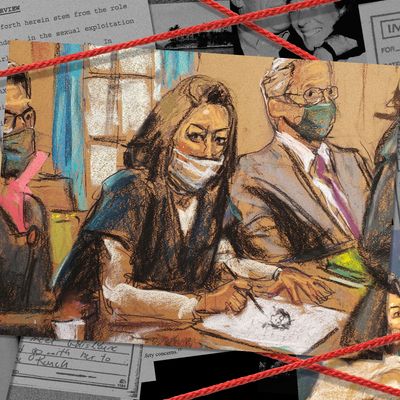

According to court filings, the documents include deposition testimony and discovery materials originally protected by a civil confidentiality order. Maxwell’s legal team argues that some of these materials were later obtained through grand jury subpoenas and may be subject to Rule 6(e) secrecy protections governing grand jury proceedings.
However, transparency advocates argue that the Epstein Transparency Act supersedes certain confidentiality claims and was designed precisely to bring such records into public view, subject to redactions for sensitive victim information.
The judge overseeing the matter in the Southern District of New York has not yet ruled on whether the documents will be released.
Parallel Habeas Petition and Claims of Limited Representation



Separately, Maxwell has filed a habeas corpus petition under 28 U.S.C. §2255, arguing that newly released materials may affect the validity of her conviction. In a recent letter to the court, she stated that she is proceeding without full legal representation and requires additional time to review the millions of pages disclosed under the transparency law.
The presiding judge granted her an extension, pushing key filing deadlines into 2026.
Legal observers note that Maxwell’s direct appeals have already been exhausted. A habeas petition is not a conventional appeal but rather a collateral challenge, typically requiring newly discovered evidence or constitutional violations not previously raised.
Critics question the timing and strategy of these filings, while her attorneys argue that procedural rights must be respected regardless of public sentiment.
Questions About Legal Representation
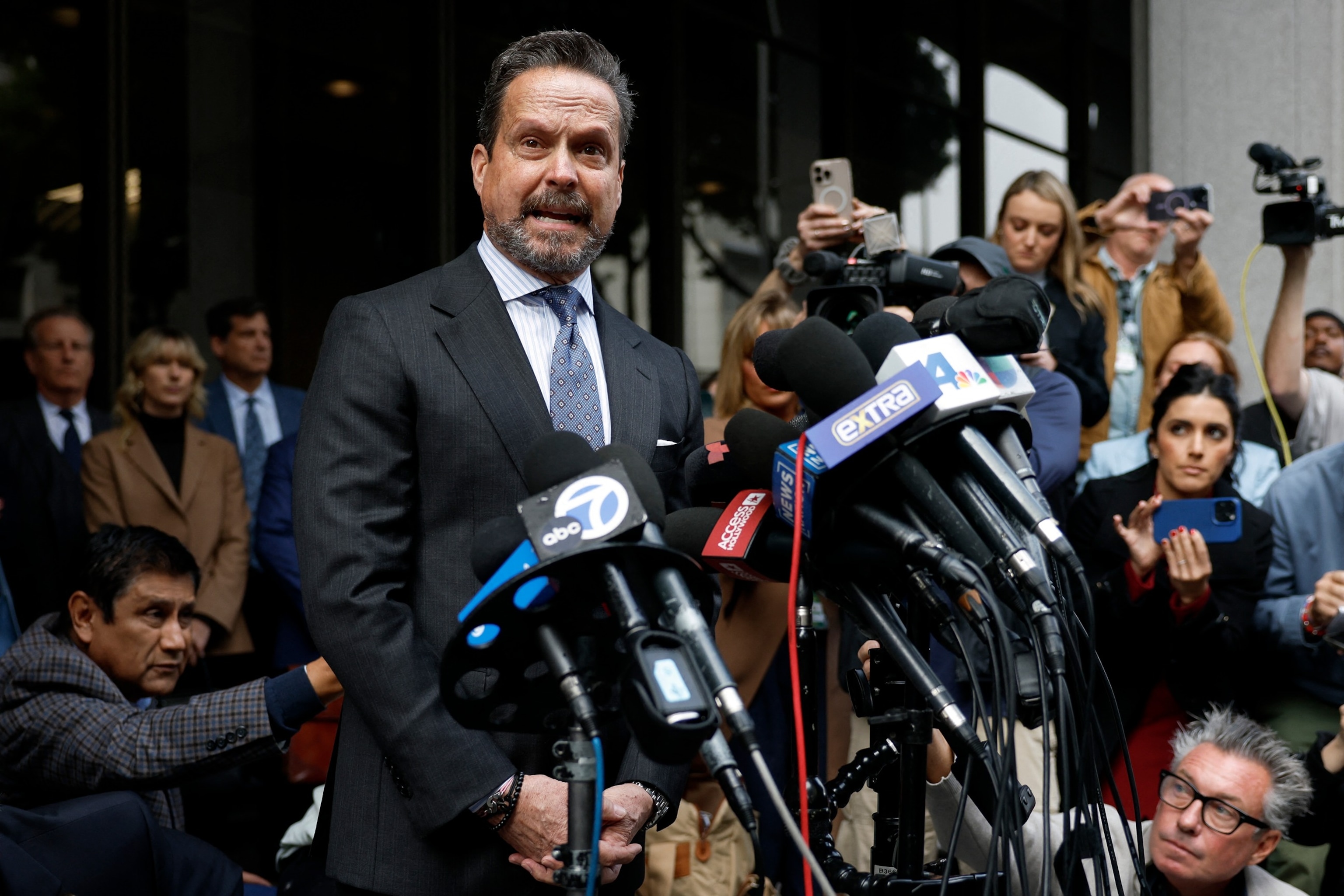


Maxwell has been represented in various proceedings by experienced and high-profile attorneys. Public filings show representation in civil matters by major law firms, and she was accompanied by counsel during her recent House Oversight Committee deposition, where she invoked her Fifth Amendment rights.
The contrast between those representations and her claim of limited resources in the habeas proceeding has prompted speculation among commentators, though no formal finding of impropriety has been made by the court.
Broader Political Context


The document dispute unfolds amid heightened political scrutiny over the Epstein files. Former President Donald Trump has denied any wrongdoing related to Epstein and has not been charged in connection with Epstein’s criminal conduct.
Some political commentators have alleged coordination between Maxwell’s legal maneuvers and broader Justice Department strategy, but there is currently no publicly available evidence demonstrating such coordination.
At the center of the debate is a fundamental question: how much of the historical record should be released, and under what safeguards for victims’ privacy?
What Happens Next
The court must now determine whether the 90,000 documents fall within protected grand jury material or whether the Epstein Transparency Act mandates their disclosure.
If released, the materials could shed further light on testimony given during the Giuffre litigation and potentially clarify inconsistencies, corroborations, or broader networks of association.
If blocked, critics will likely argue that critical information remains shielded from public view.
For now, Maxwell remains incarcerated, serving her 20-year federal sentence. Her habeas petition proceeds on a separate track, and the document battle continues to test the tension between transparency, victim protection, and procedural rights.
The coming months may determine whether these records become part of the public archive — or remain sealed within the federal court system.